Fathima Zahira Mohamed Nilar
3
Seguidores
10
Seguindo
Introdução
Assinatura Expirada
Ingressou julho de 2025
Badulla, Sri Lanka
Fathima Zahira Mohamed Nilar
11 de nov. de 2026
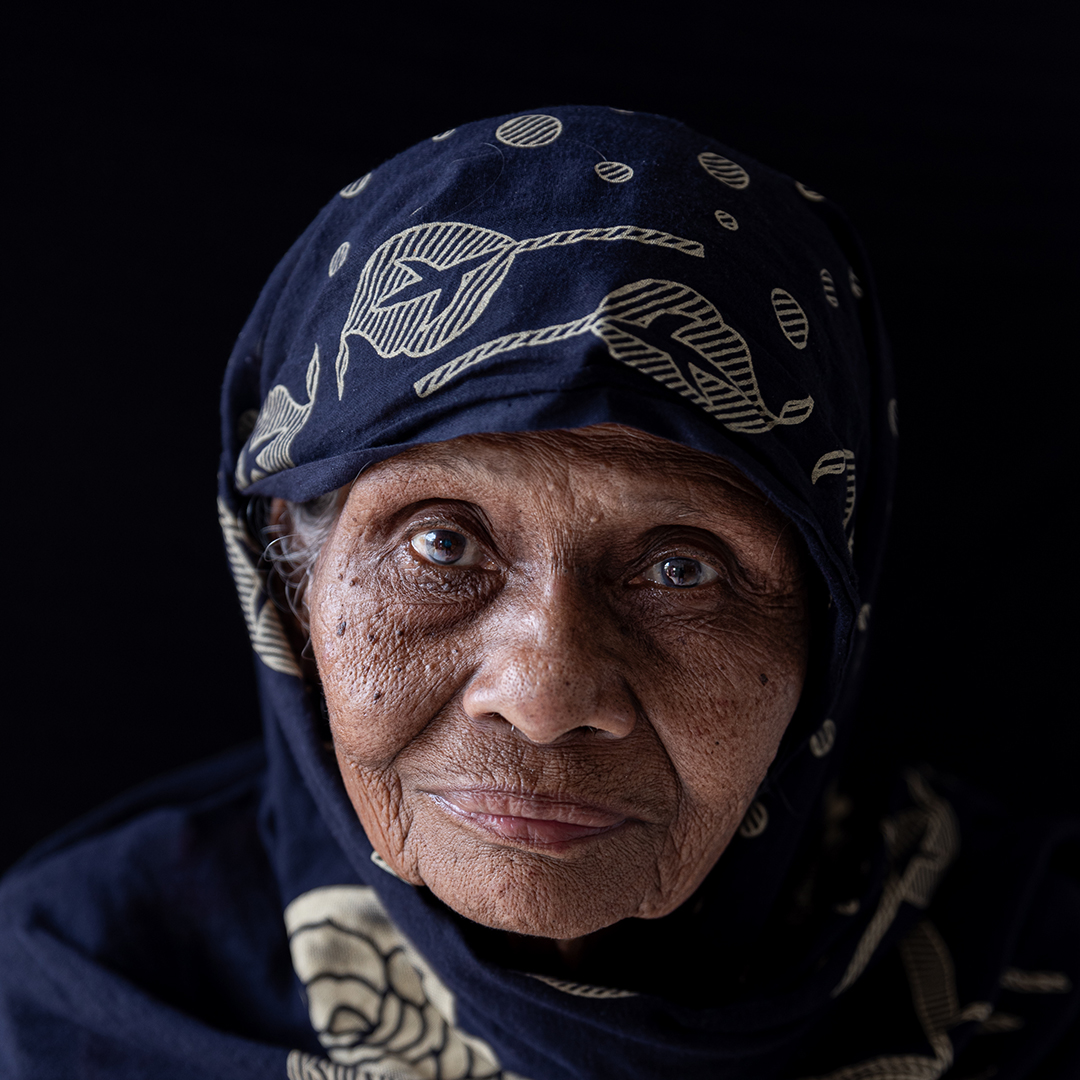
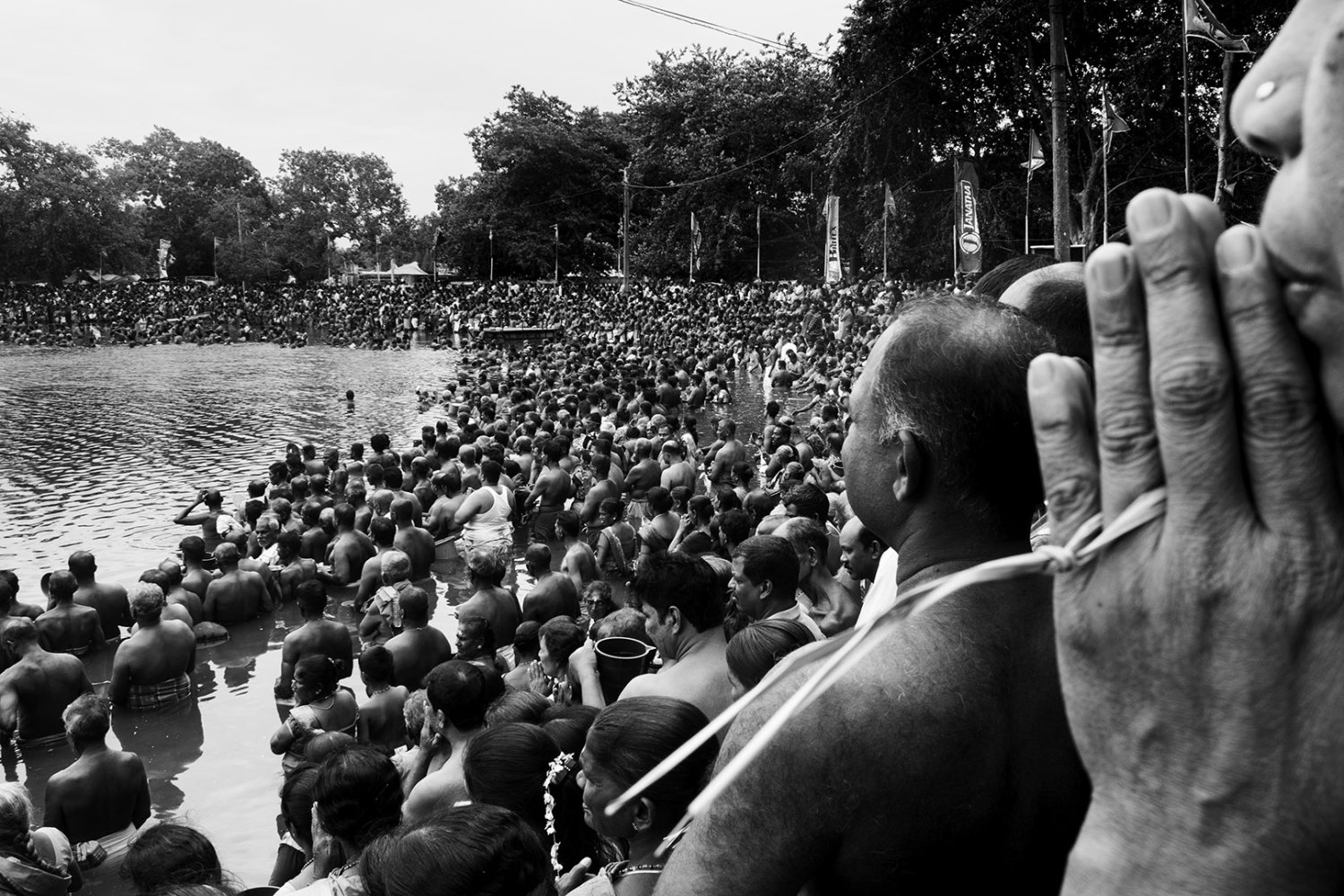
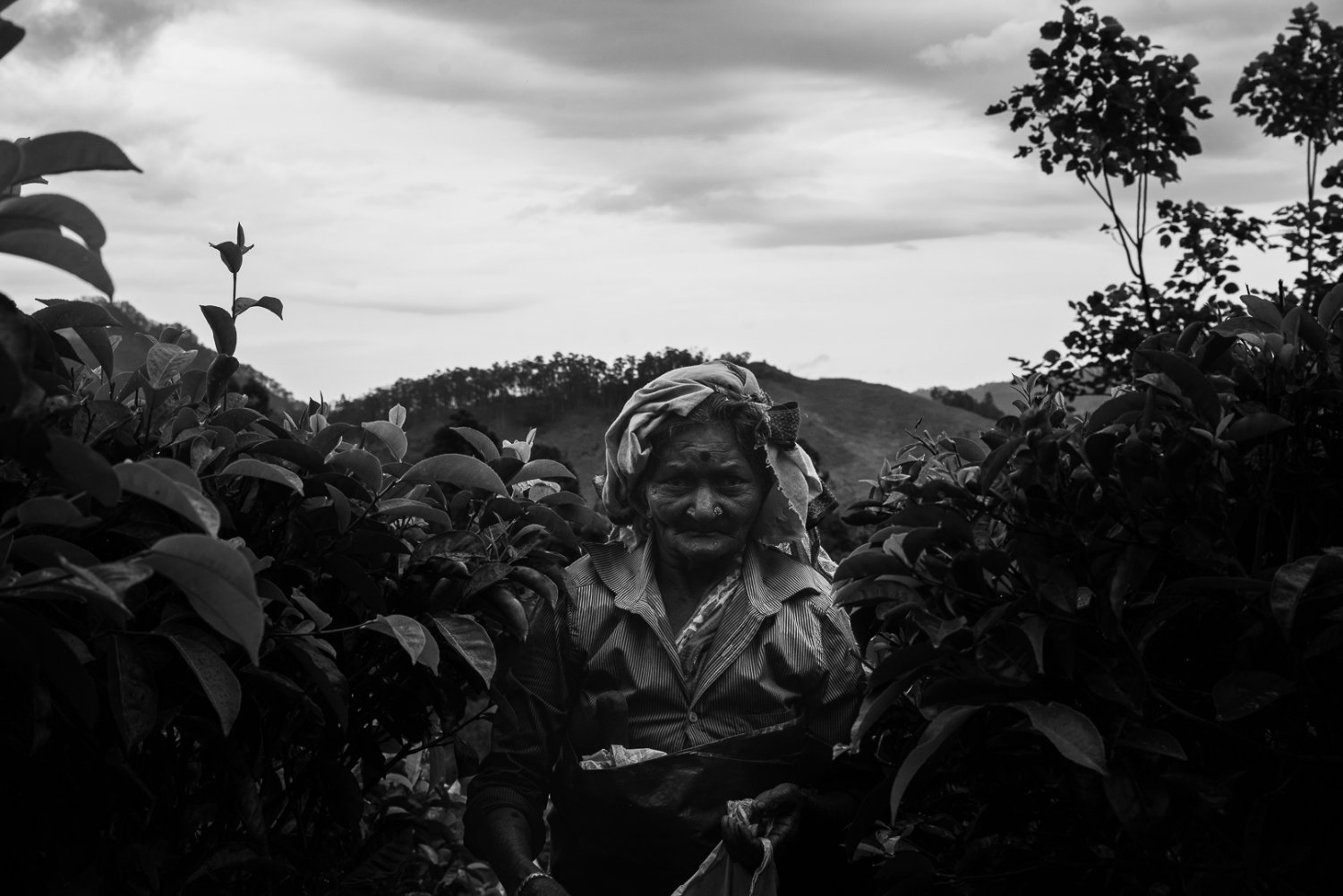
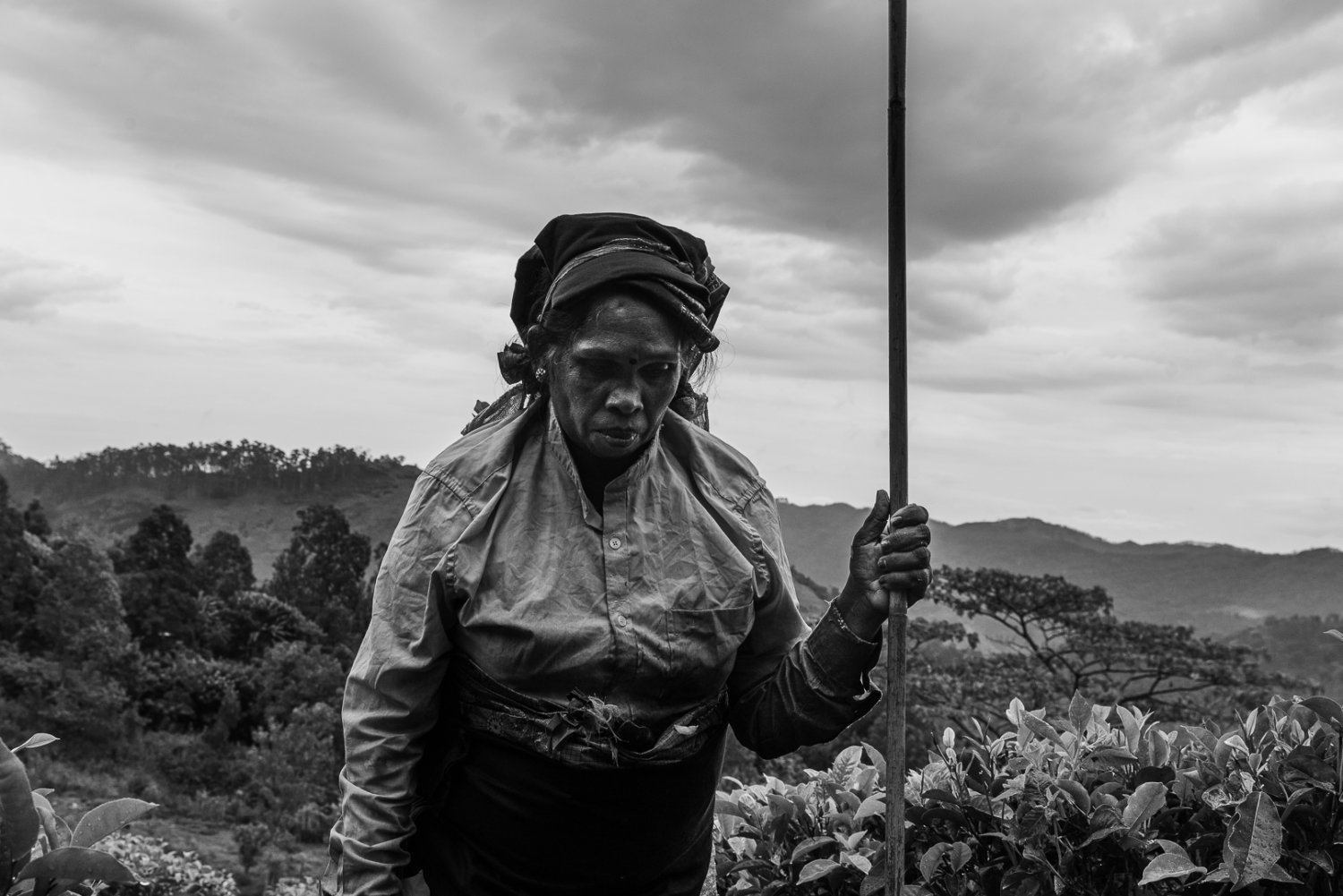
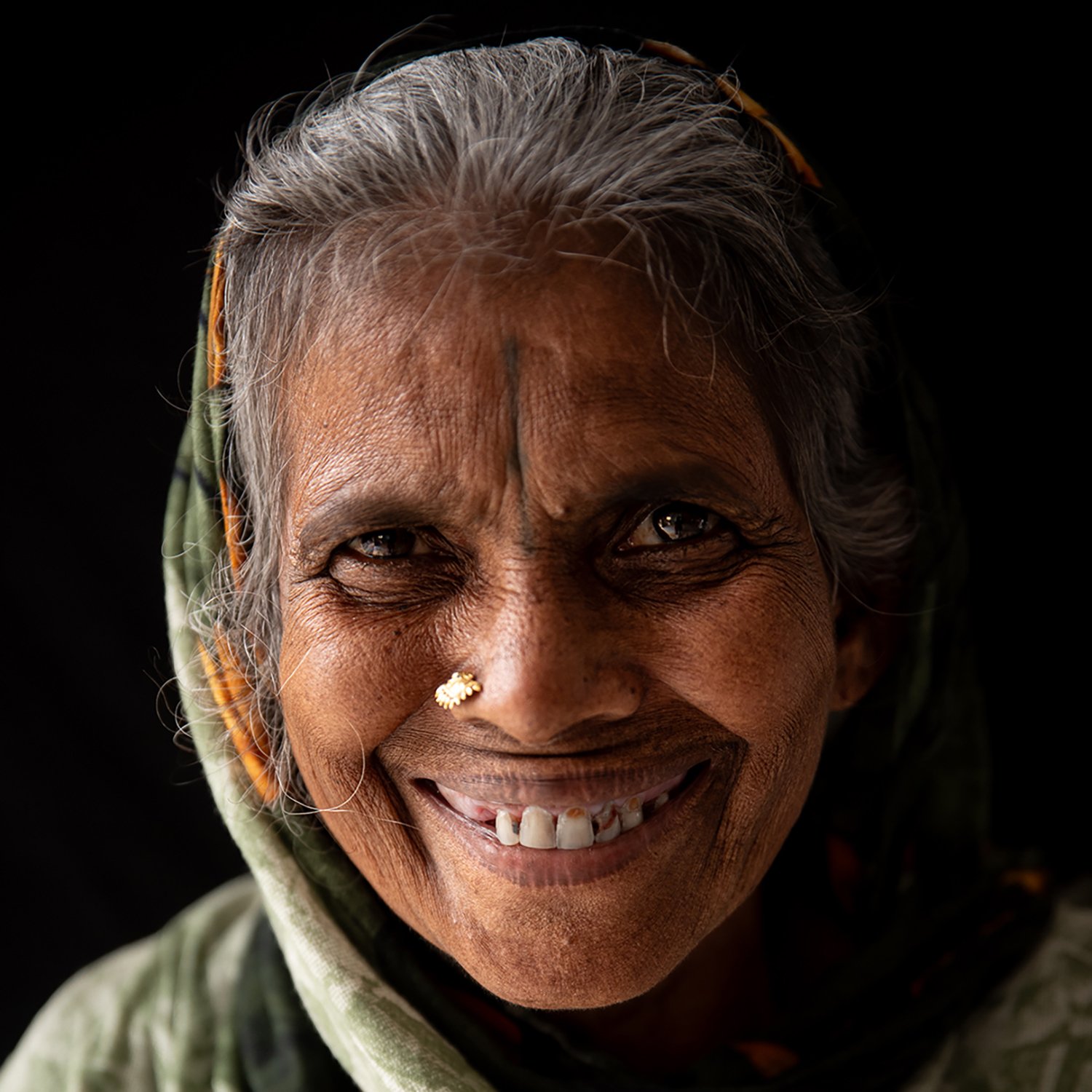
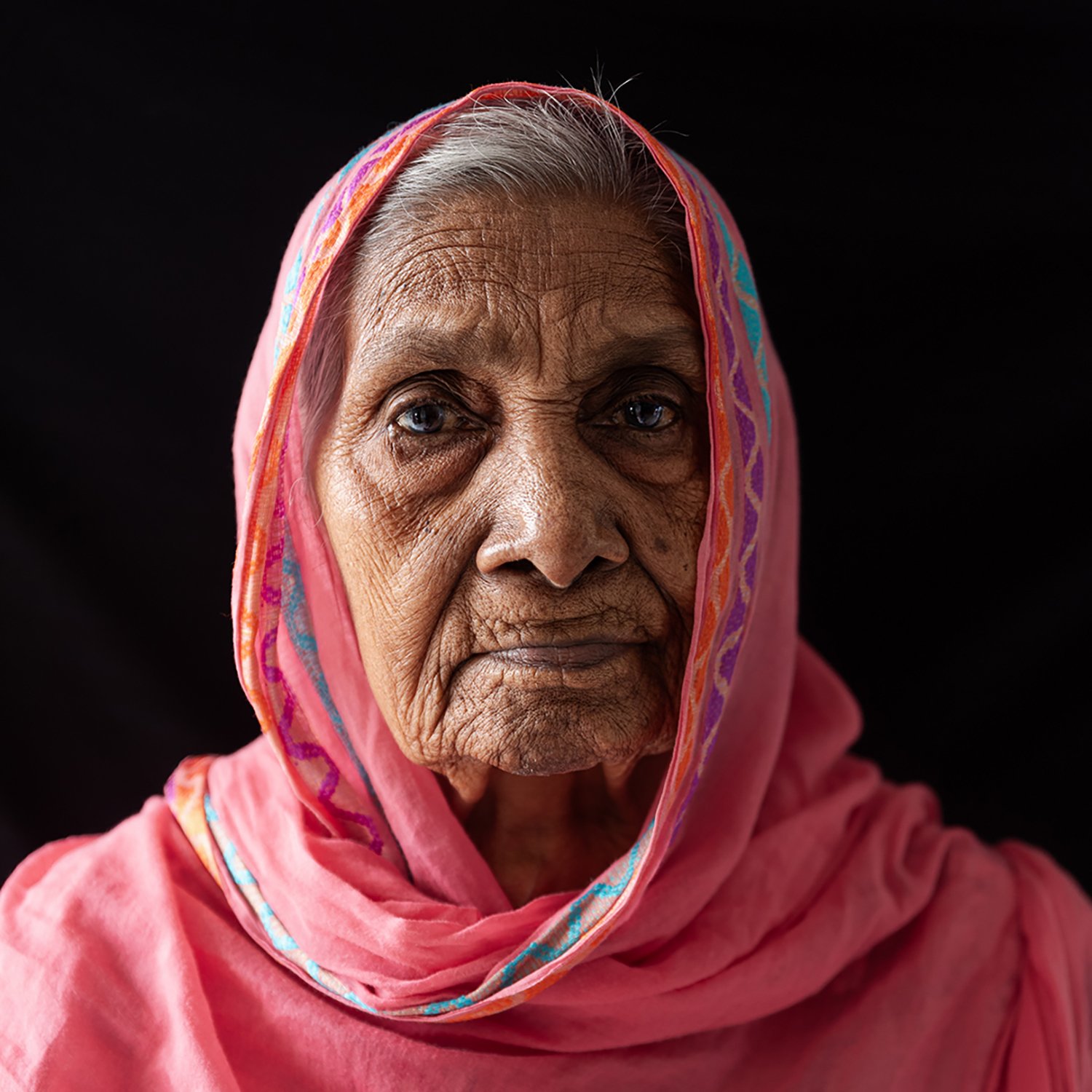
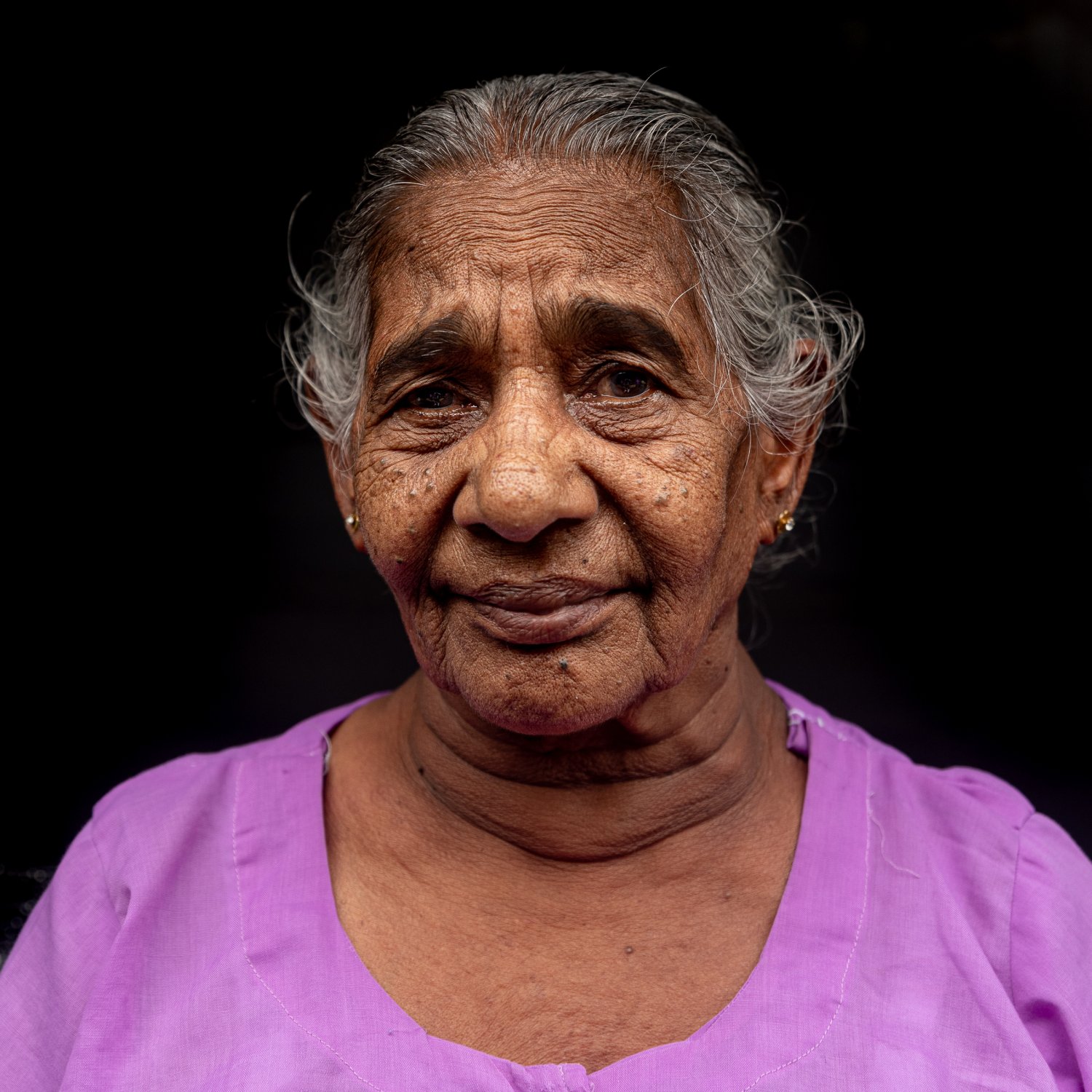
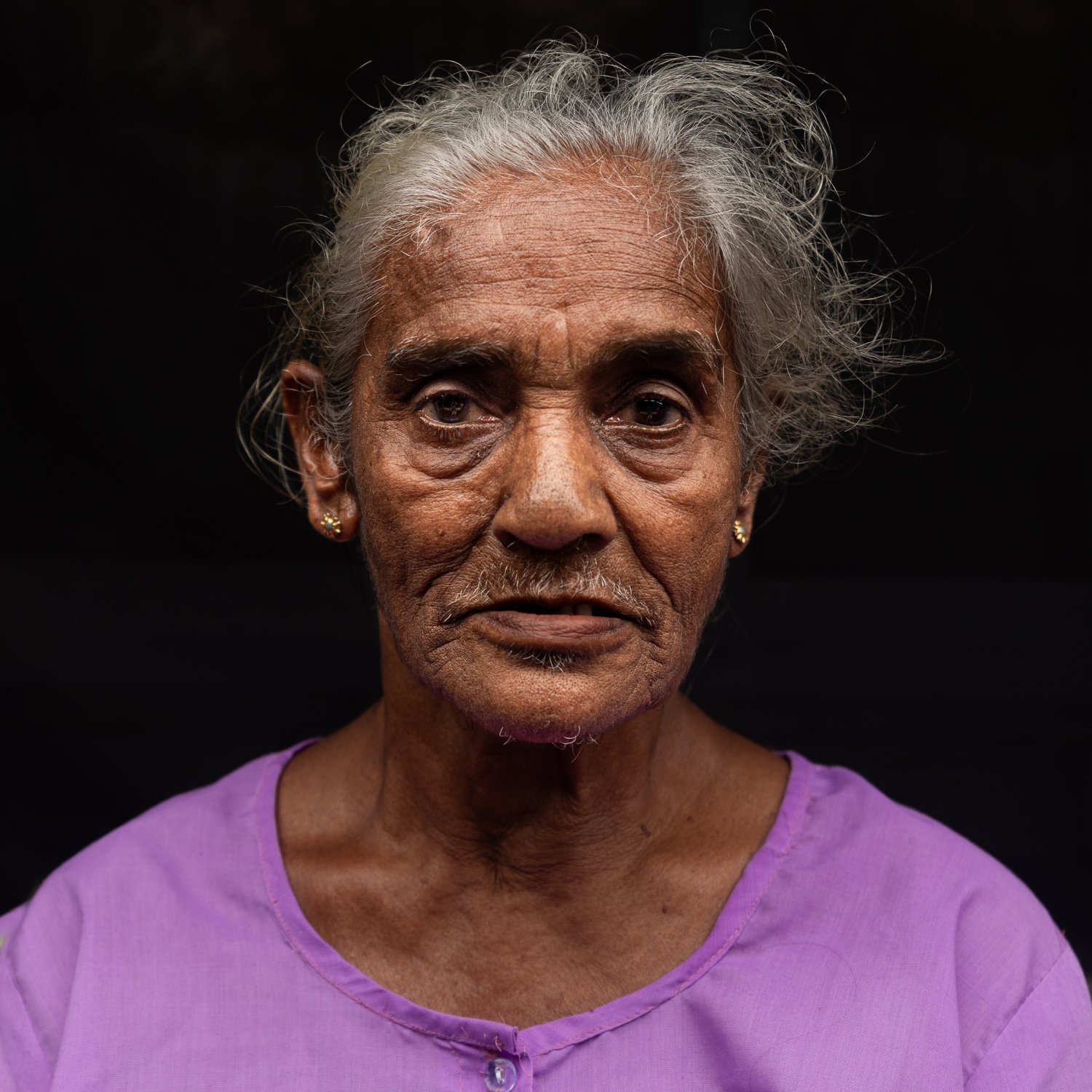
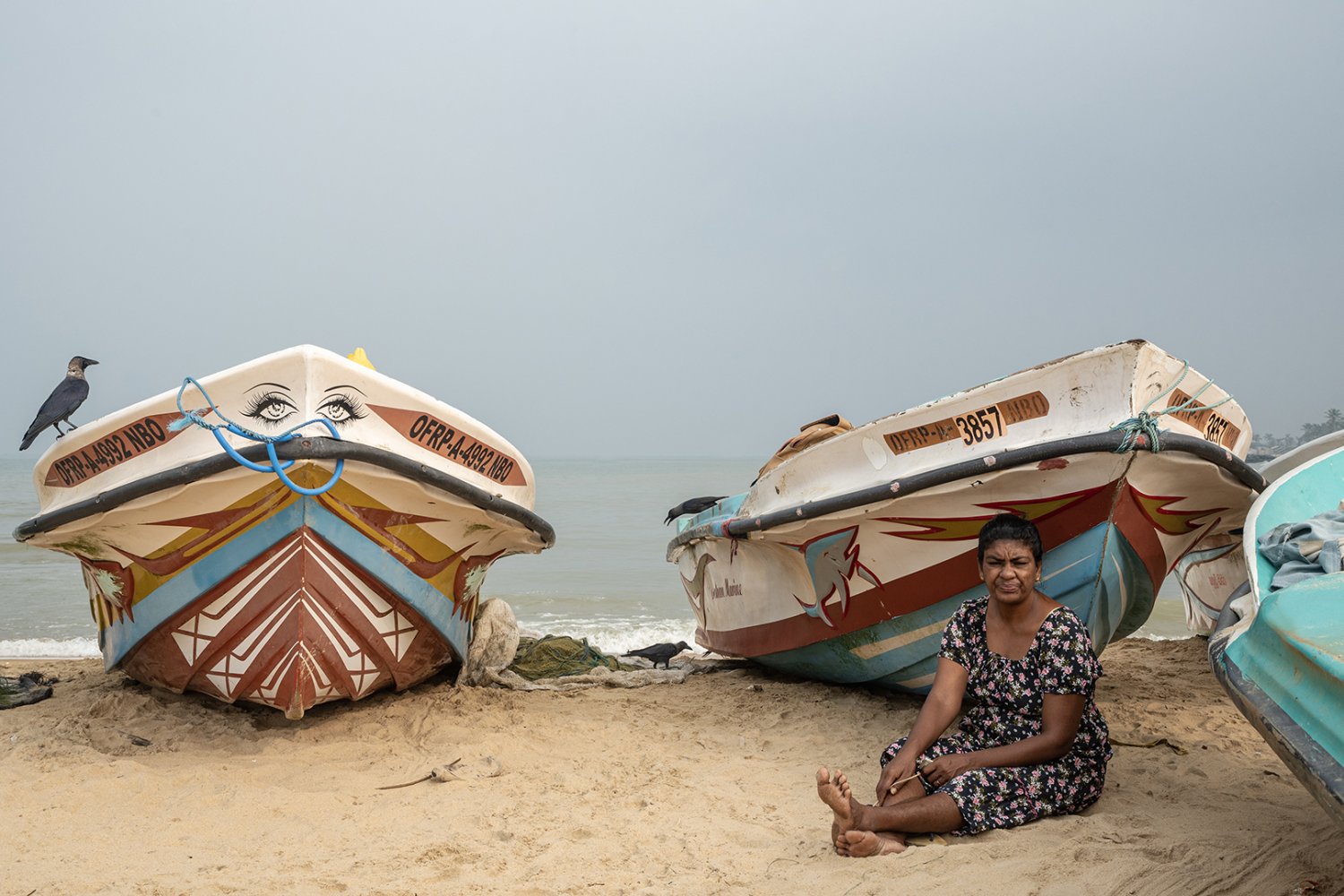
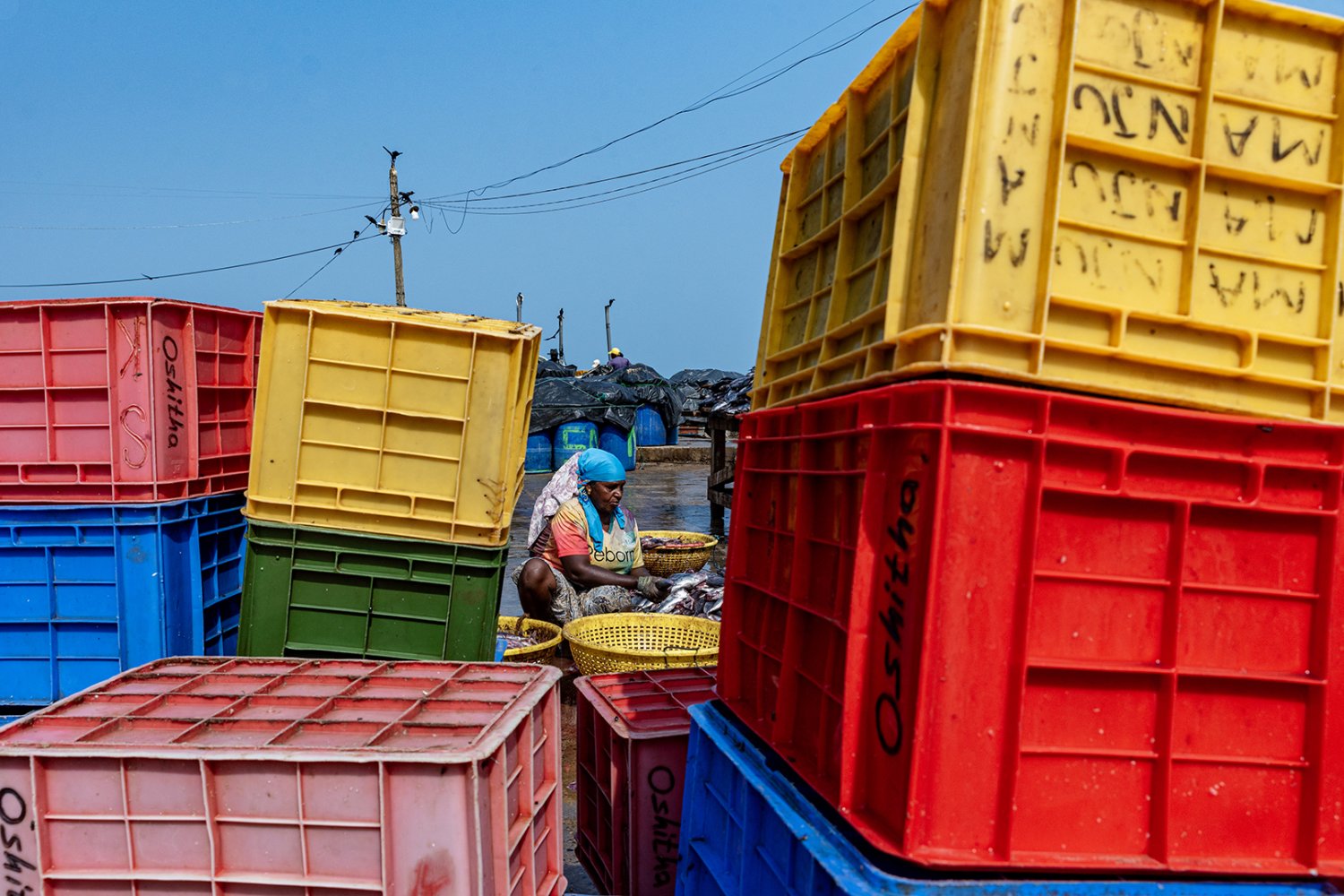
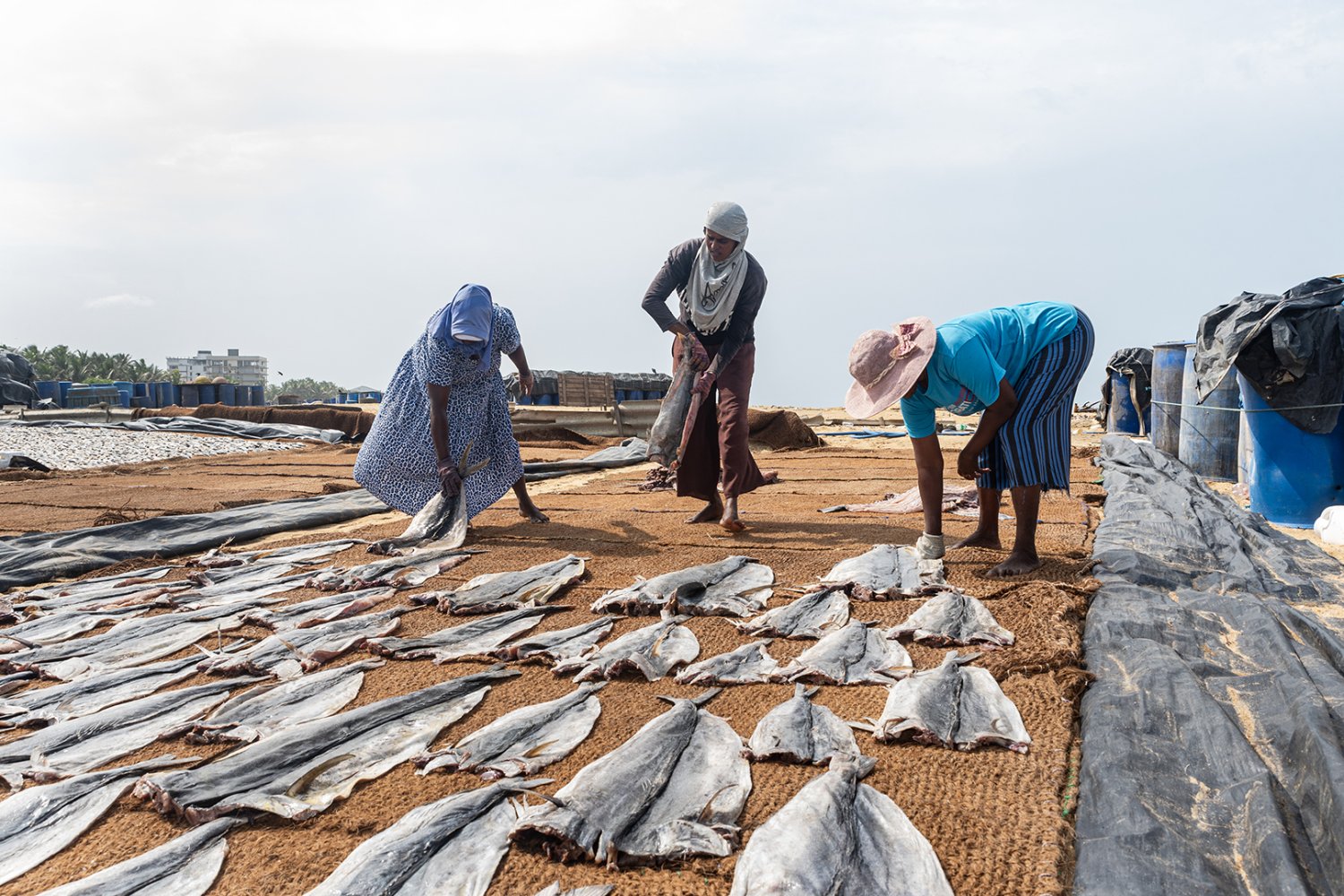
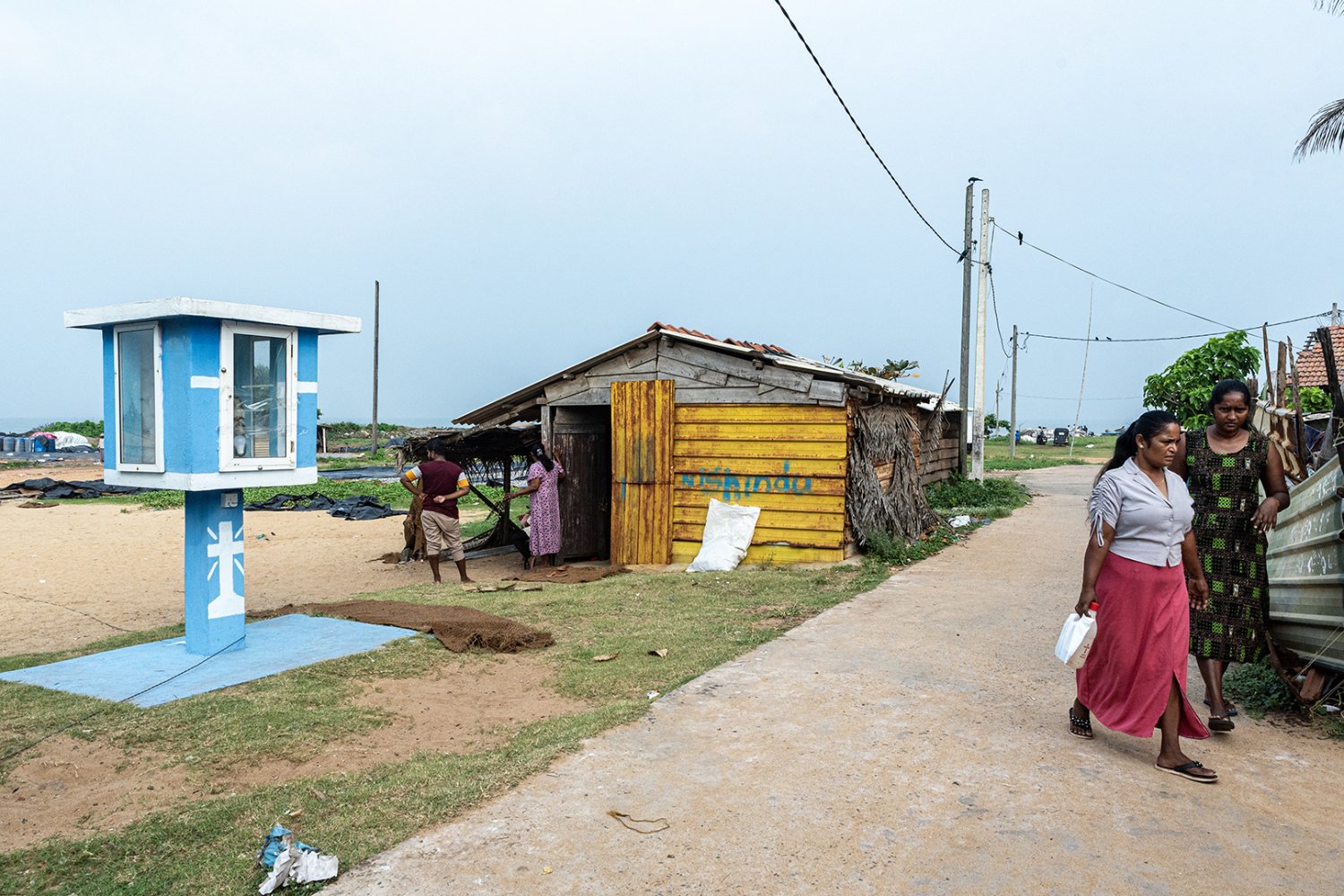
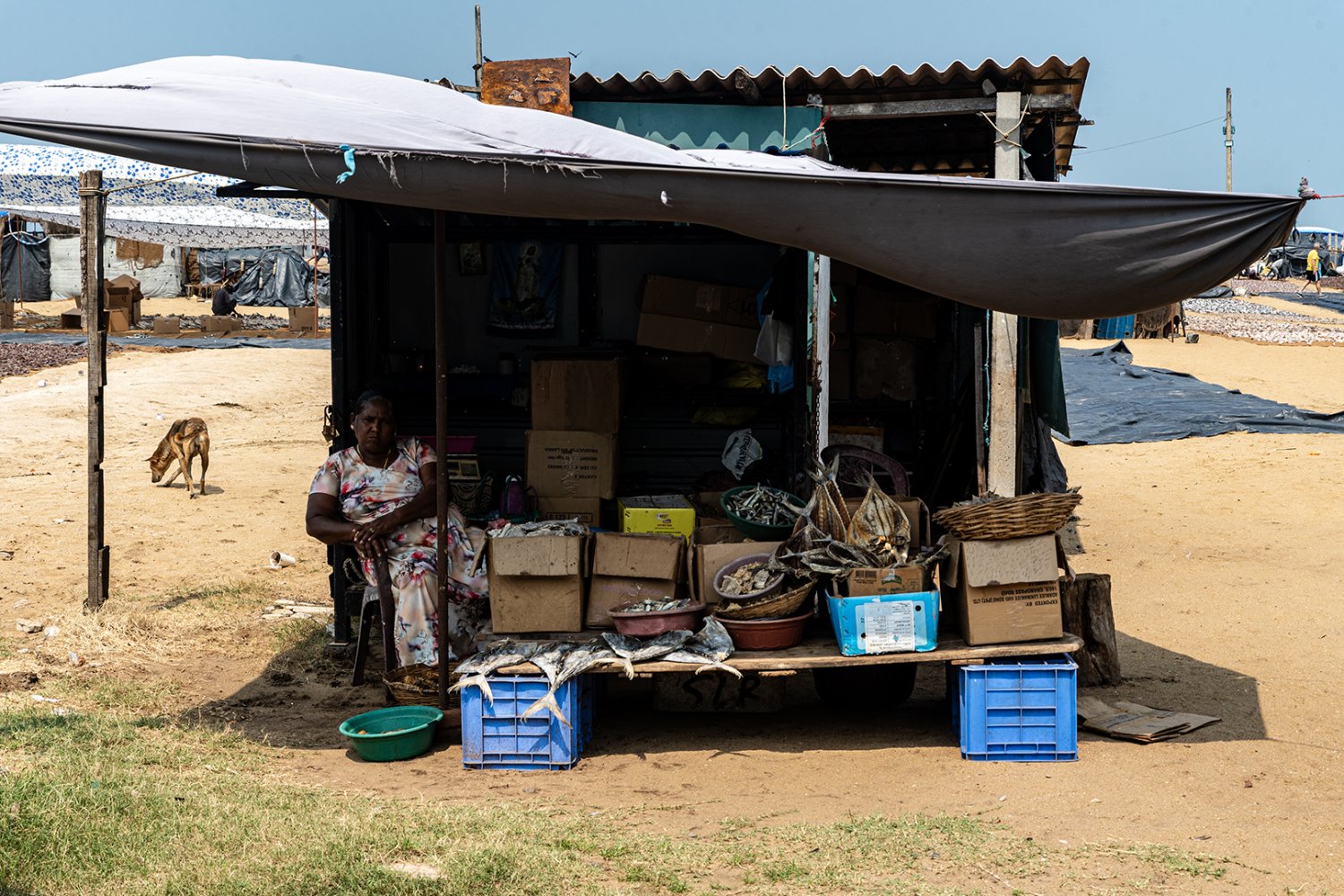
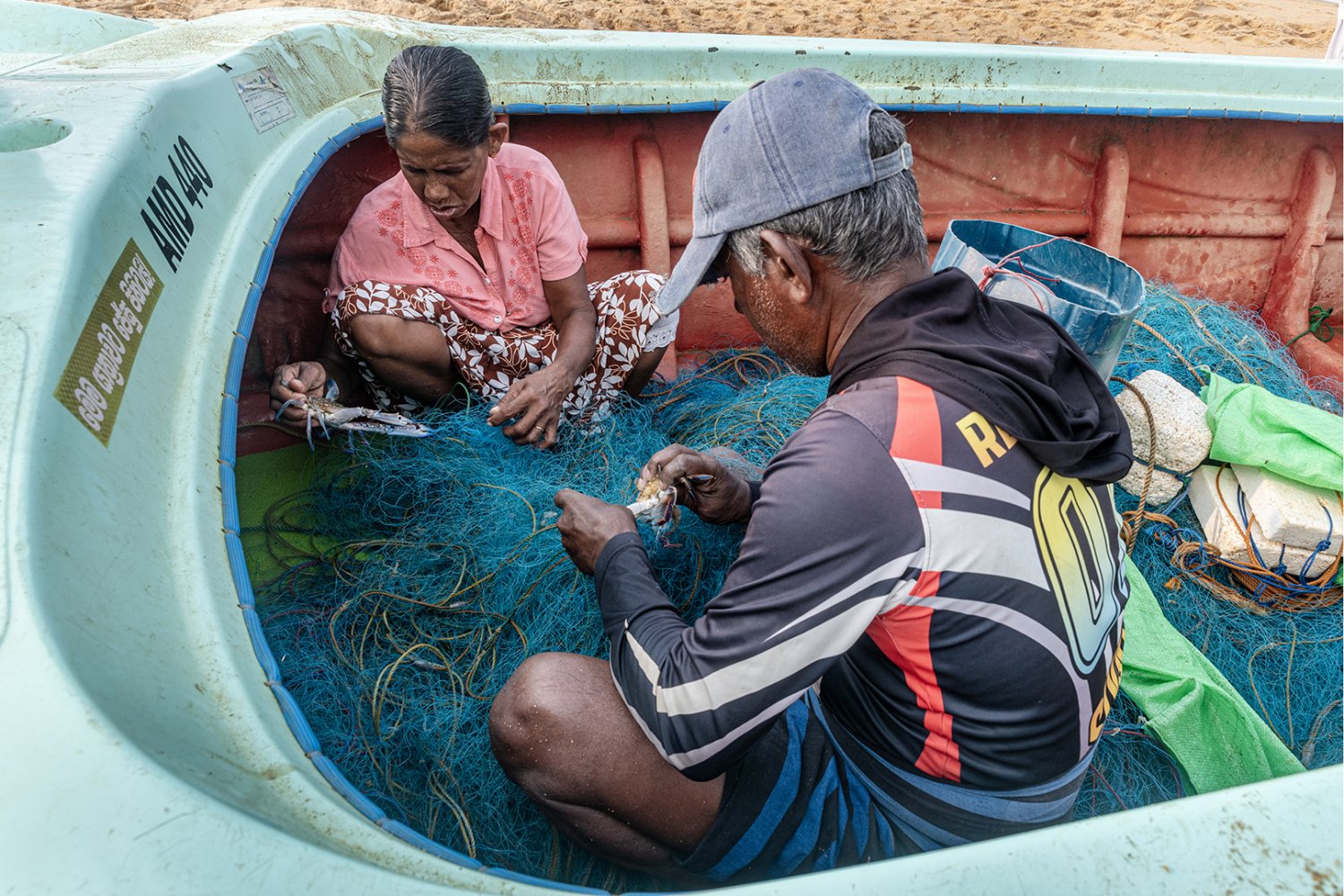
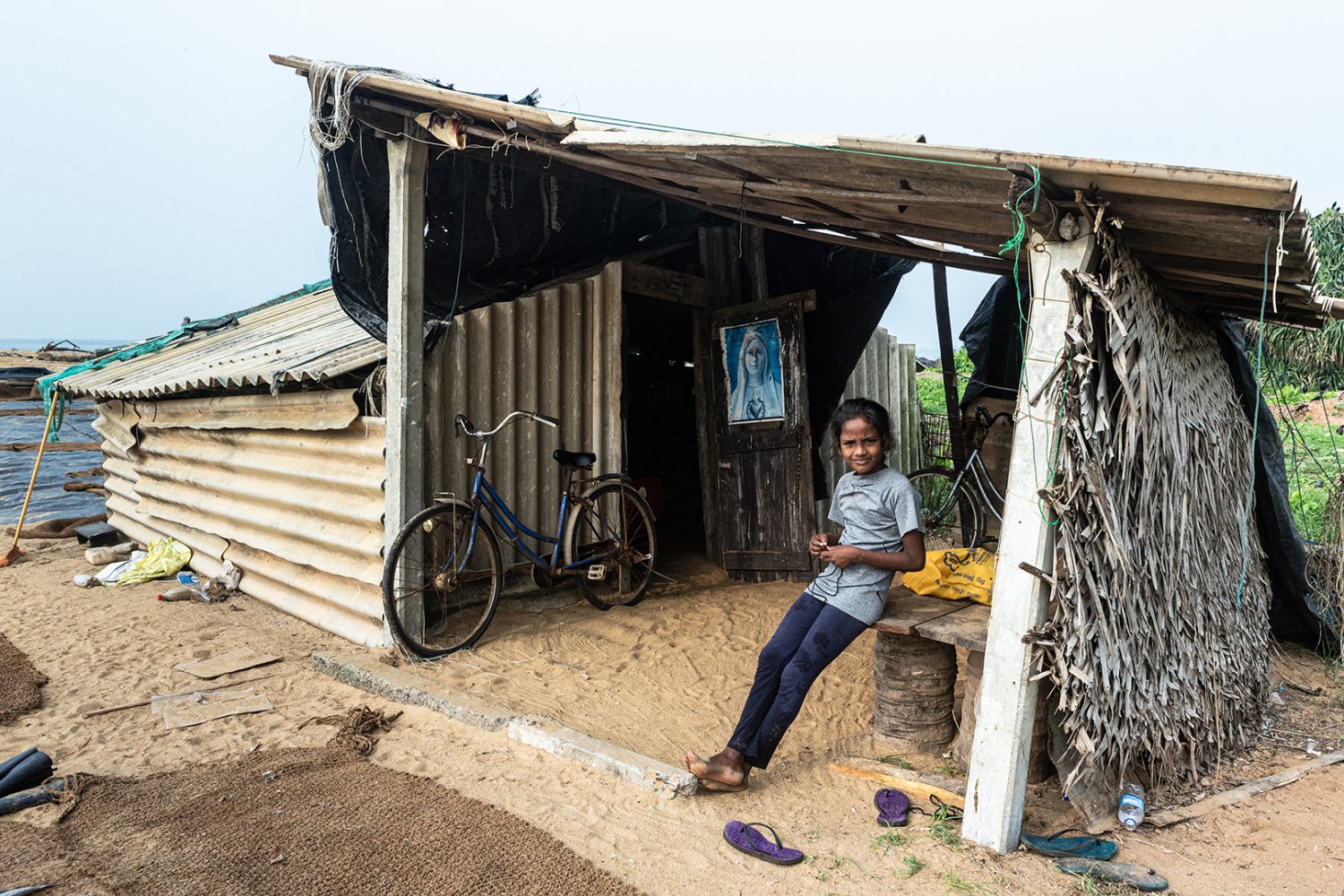
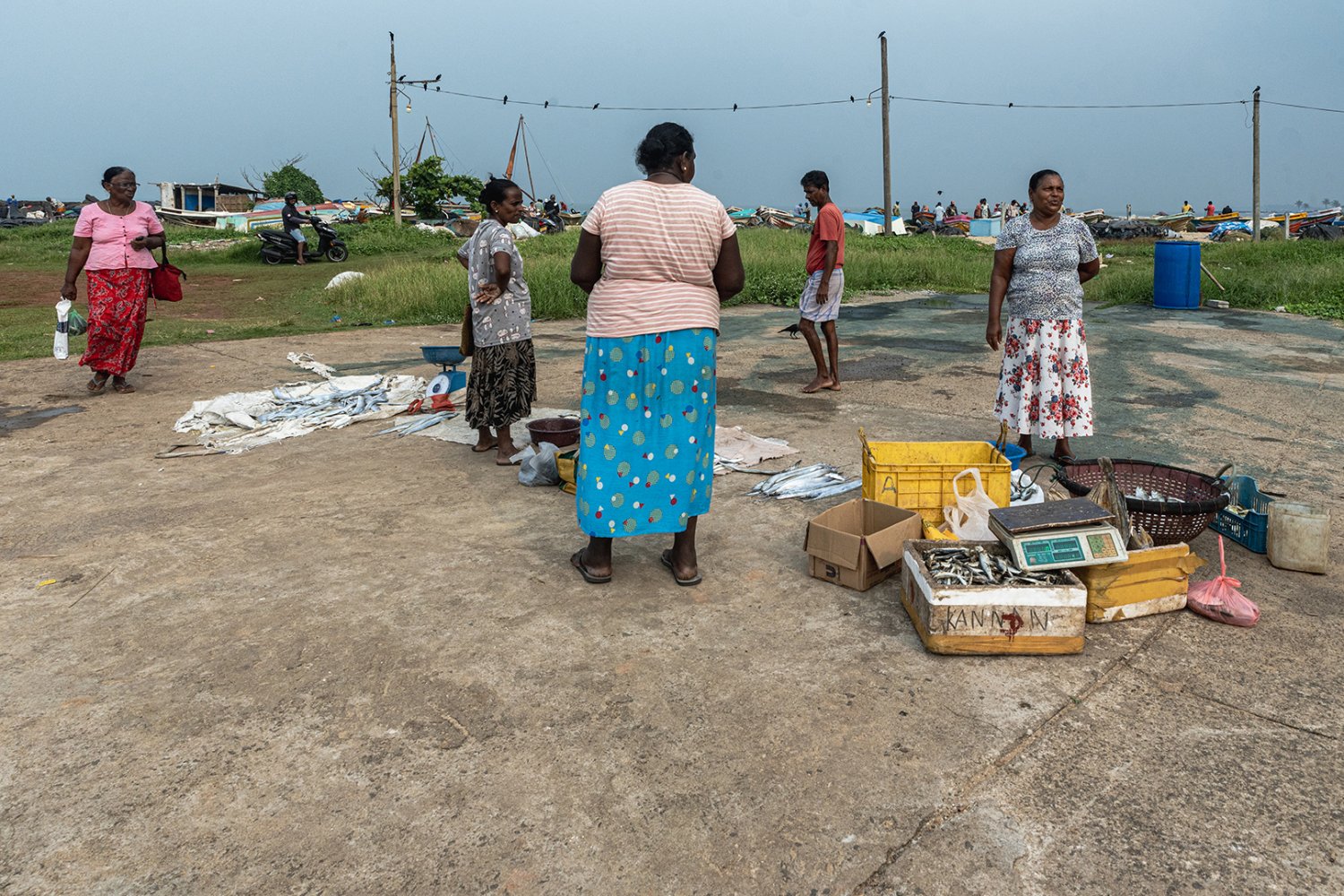
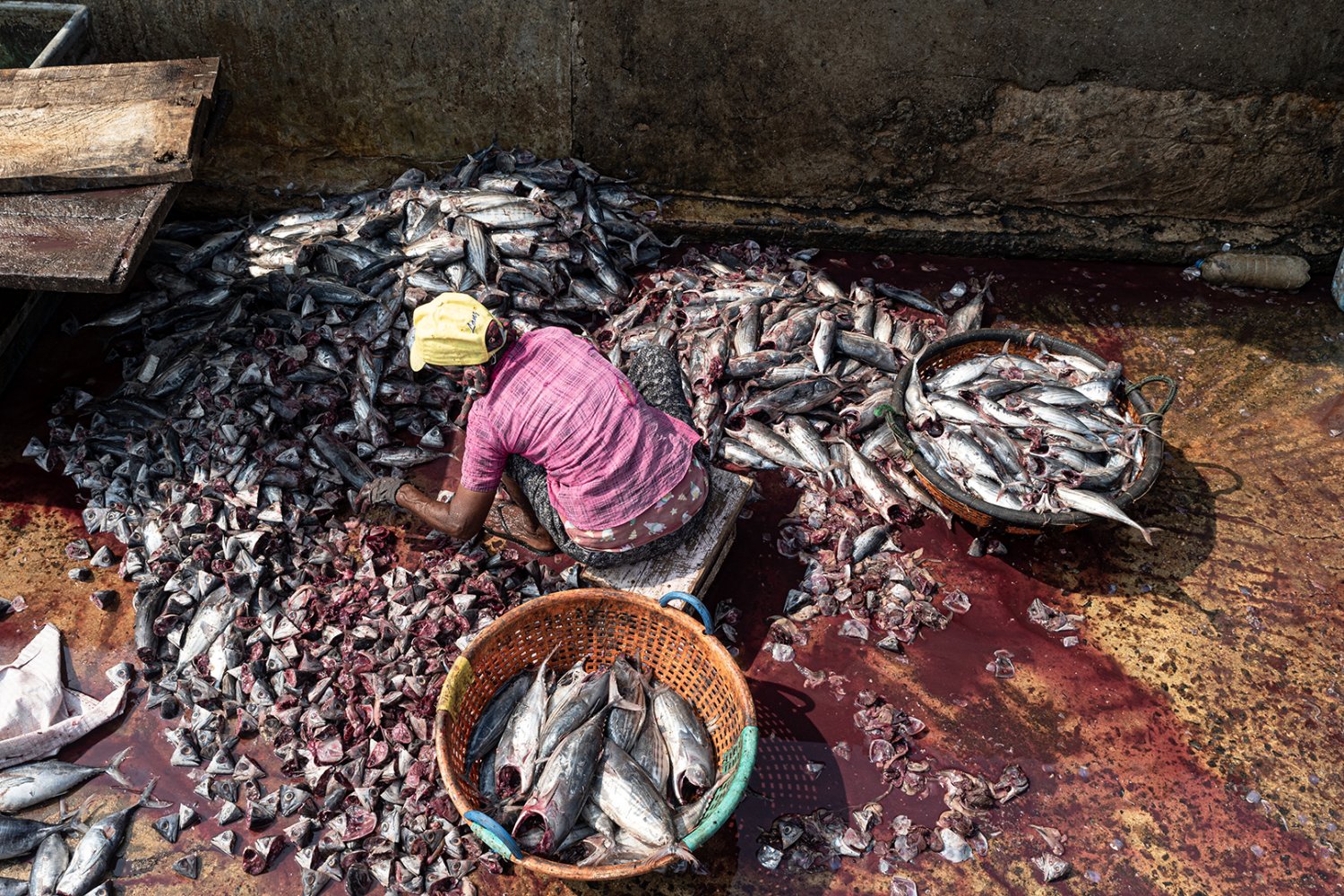
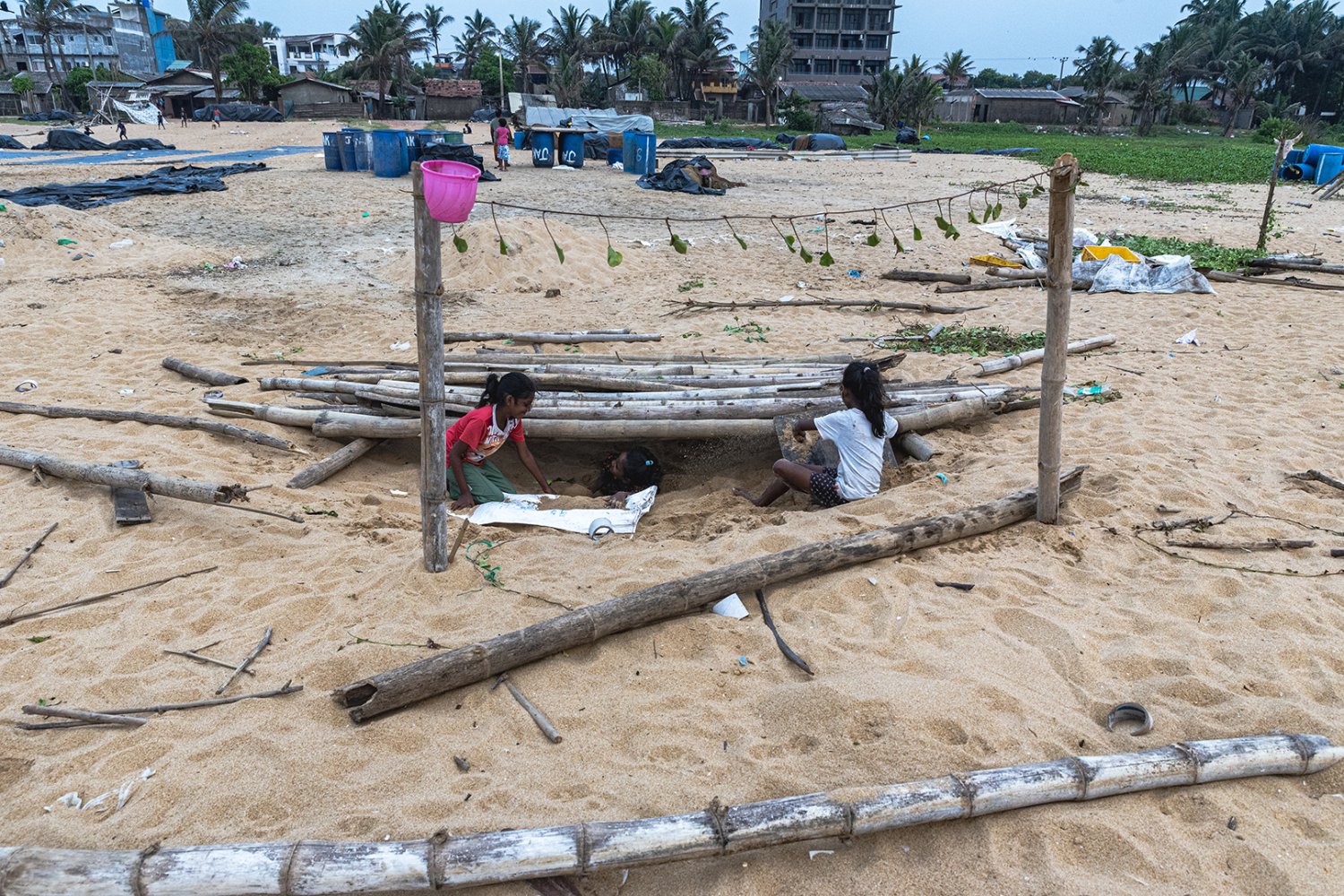
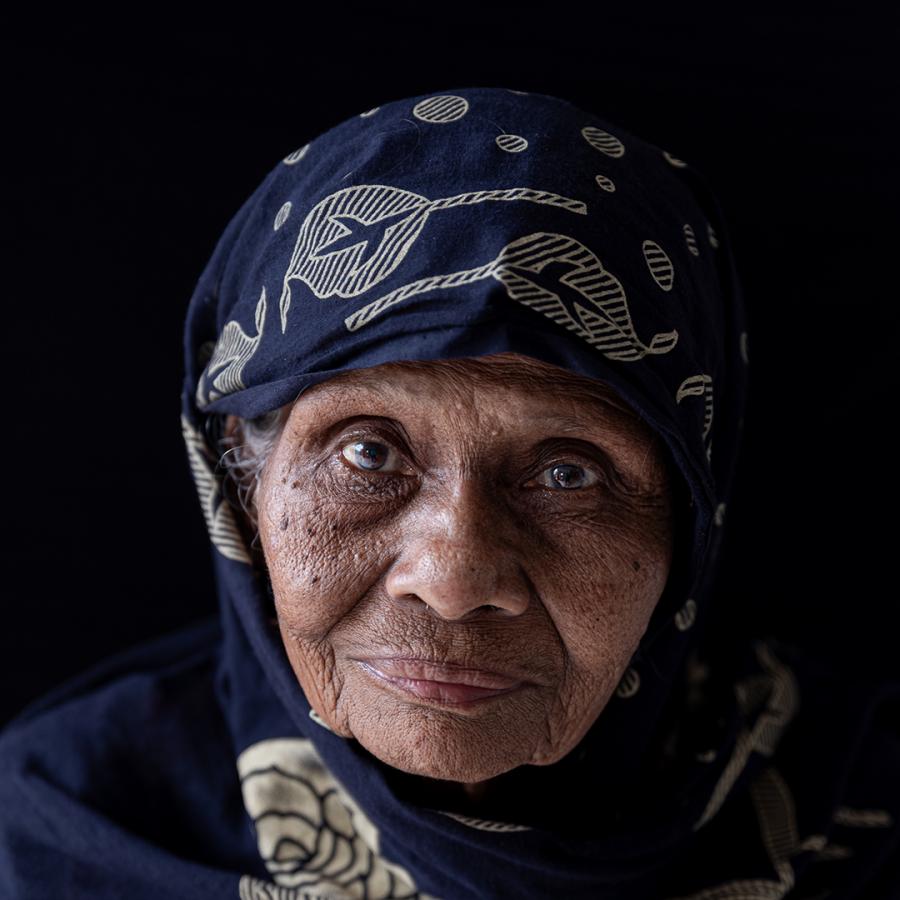
This photo series of “The Woman Behind the Sea” documents the often unseen lives of women within fishing communities, whose labour quietly sustains family and livelihood. Moving between the shoreline, fishing nets, boats, markets, and domestic spaces, the photographs reveal the physical endurance, responsibility, and resilience embedded in their everyday routines. Beyond romanticised images of the sea, this series focuses on the women who work behind the visible world of fishing their silent struggles, shared labour, and unspoken emotions. Through an intimate documentary approach, the project seeks to honour their presence and recognise the vital, yet overlooked, role they play along the coast.
Fathima Zahira Mohamed Nilar
11 de nov. de 2026
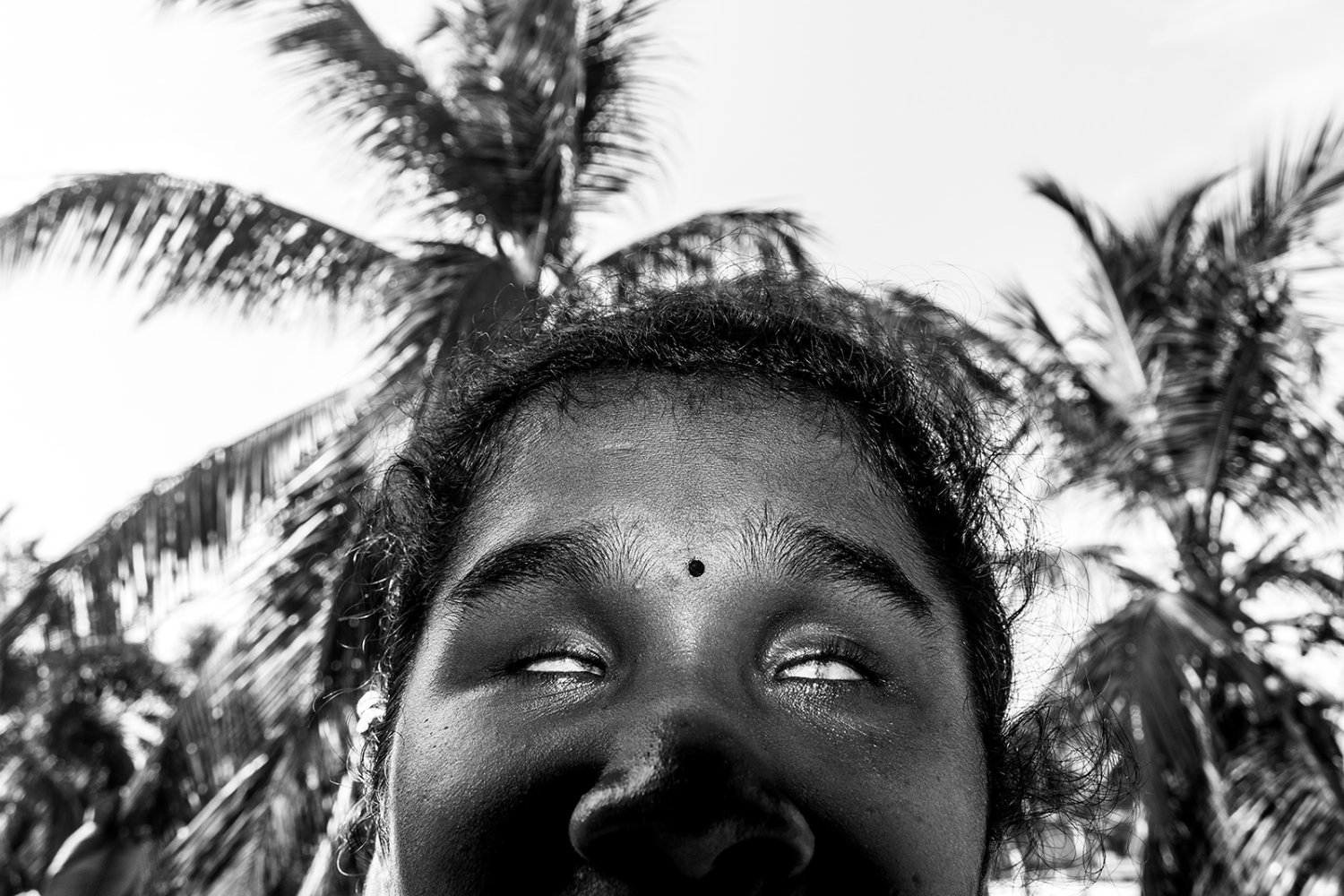
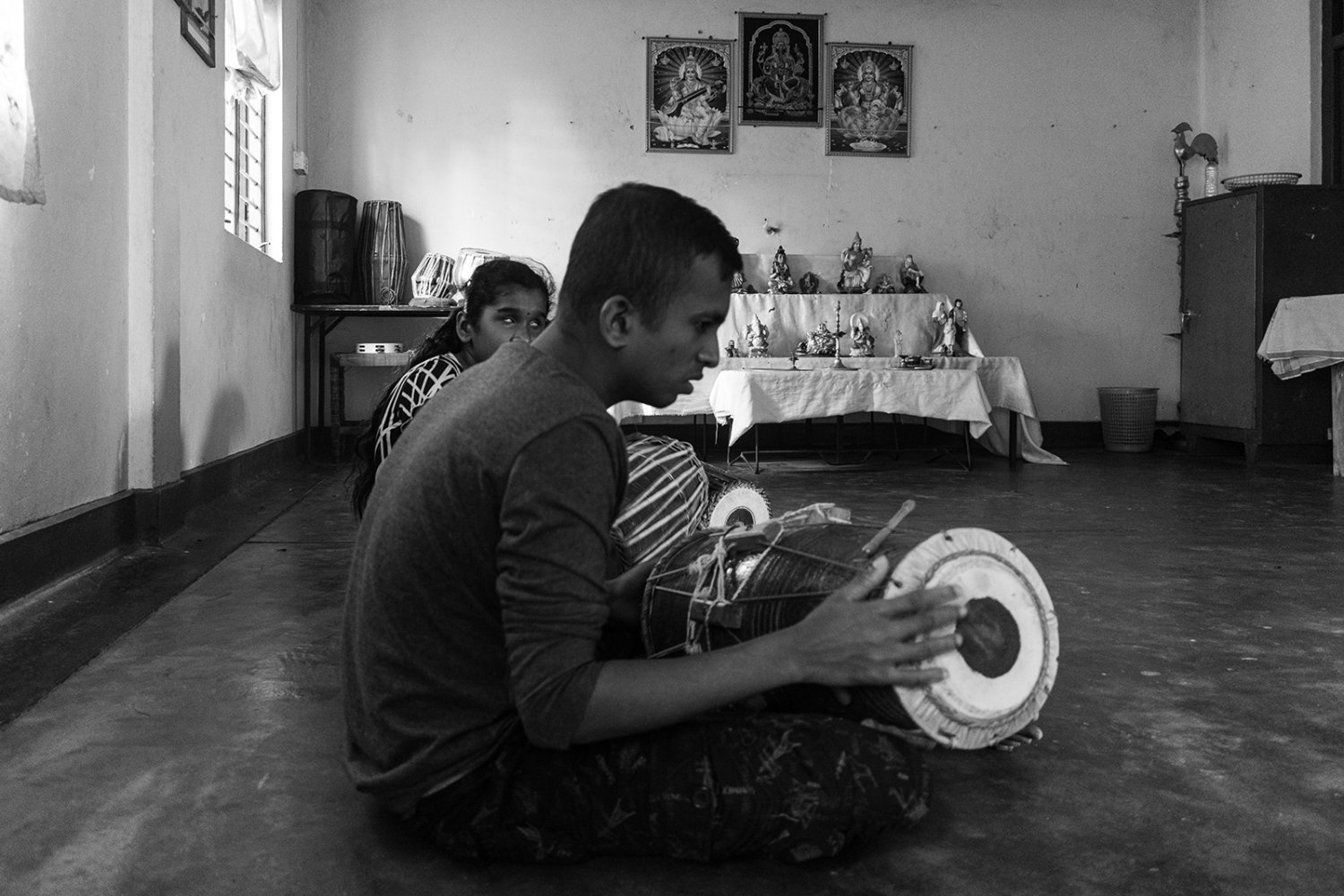
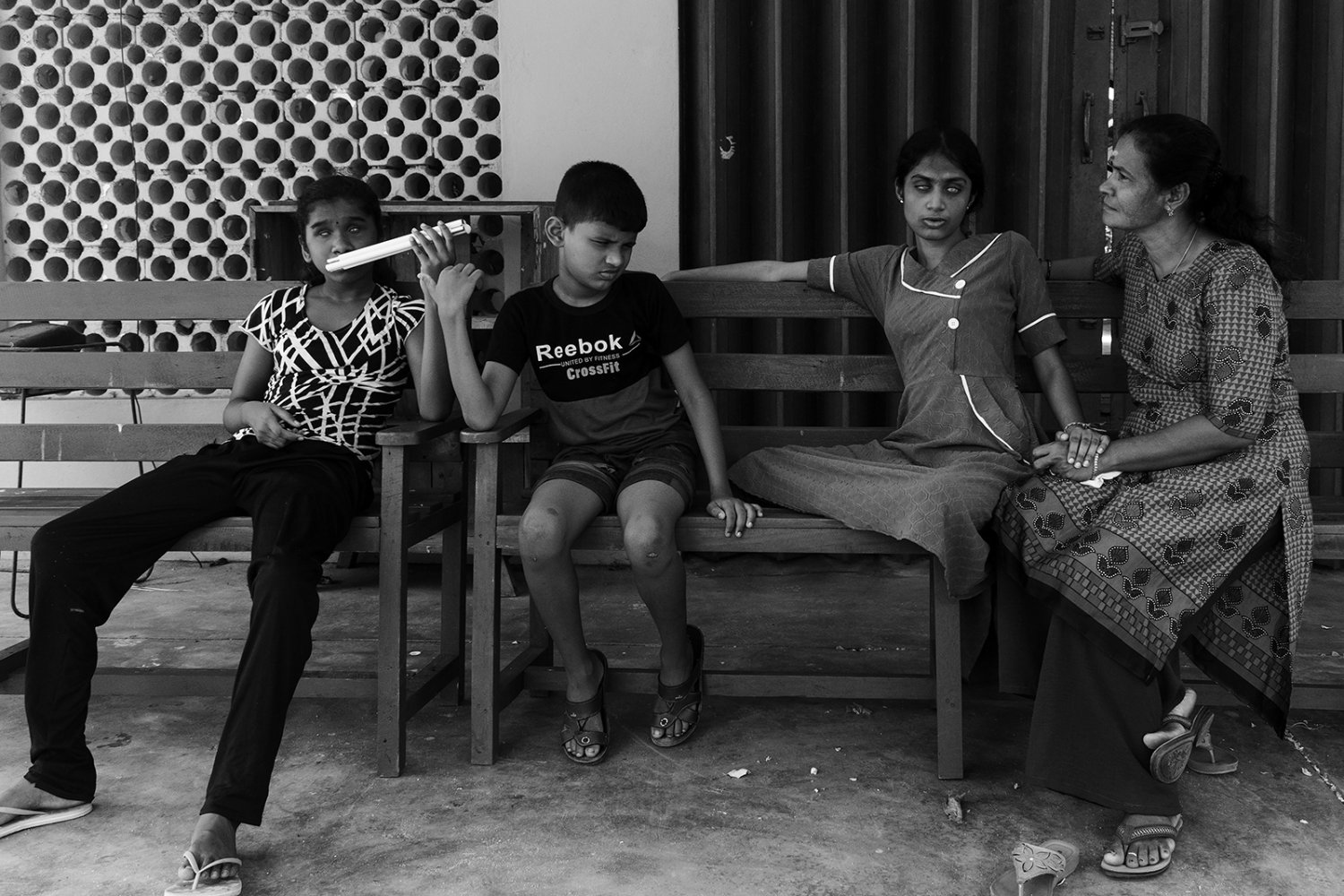
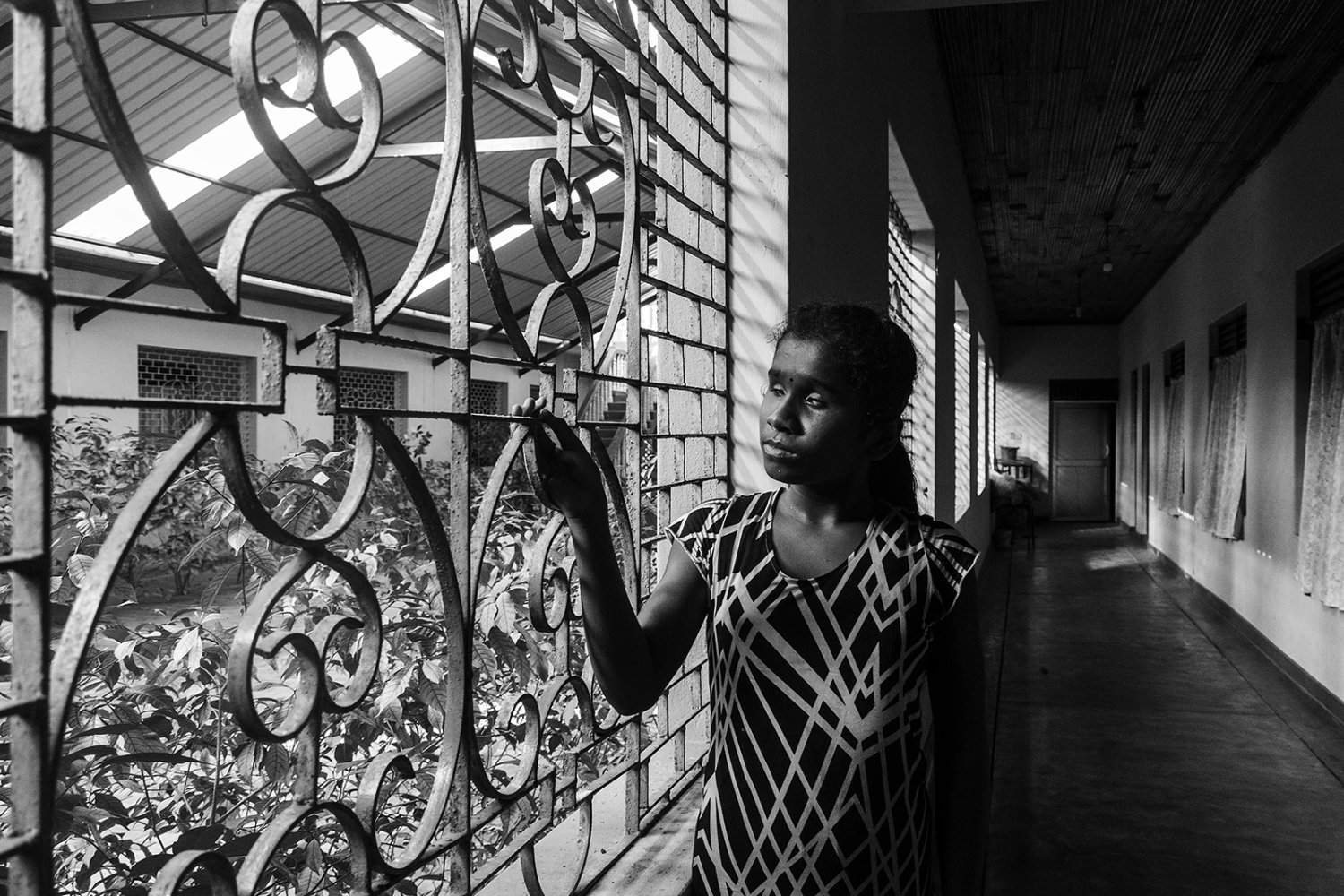
Life Through Sound and Touch
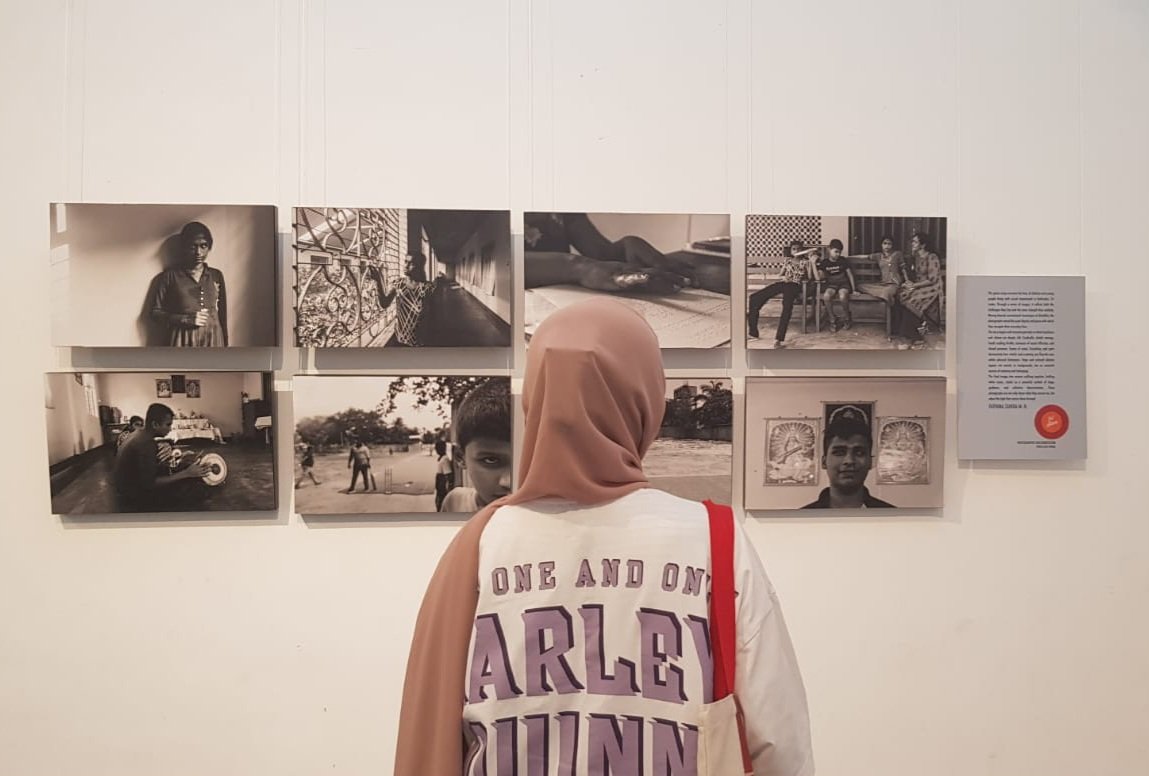
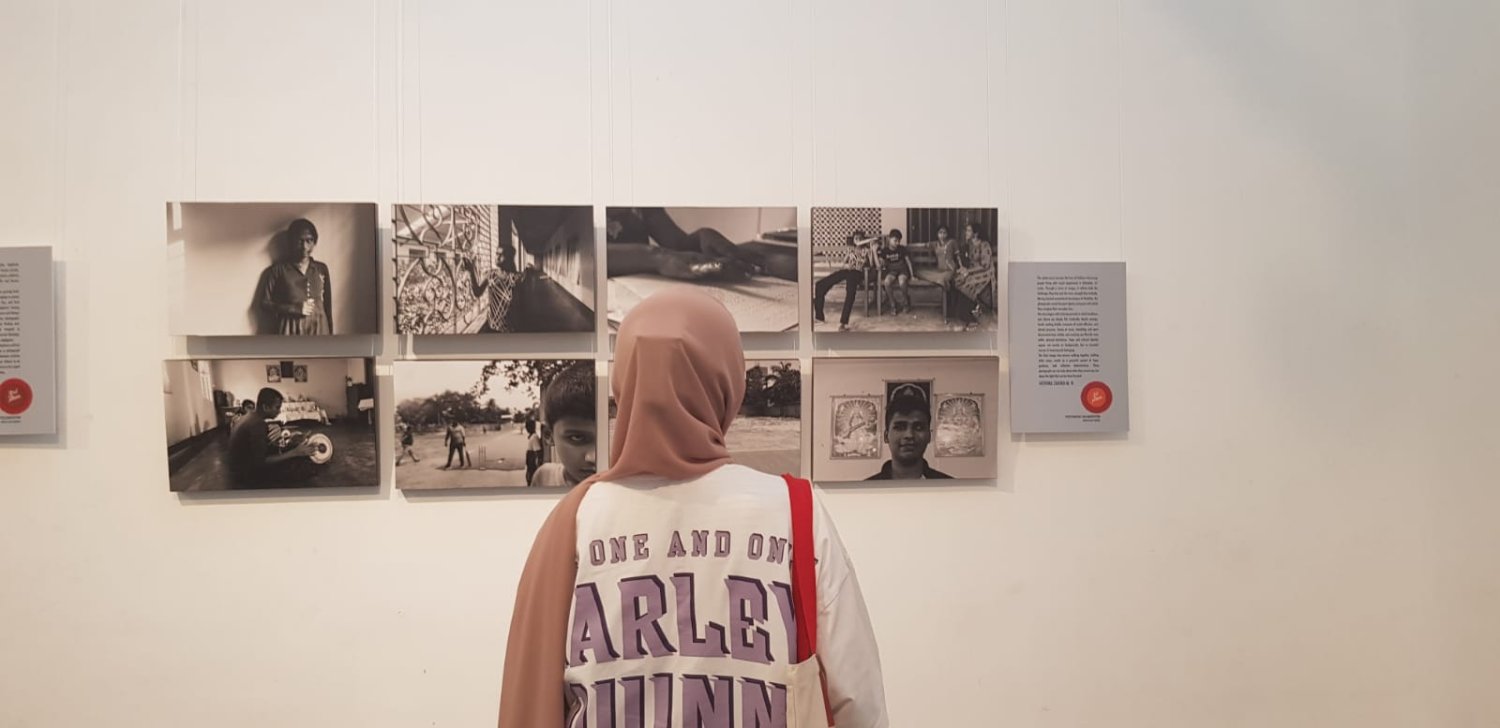
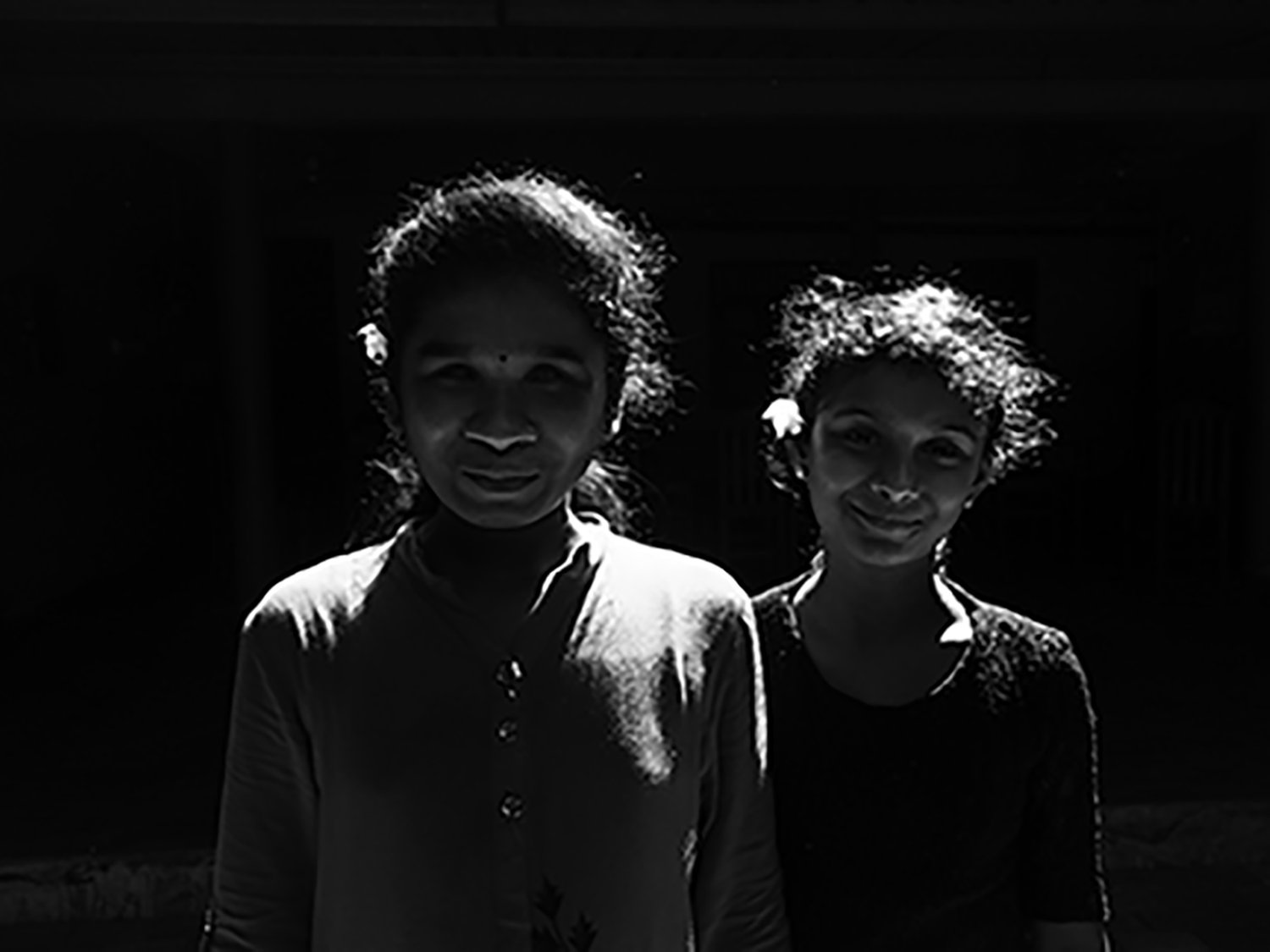
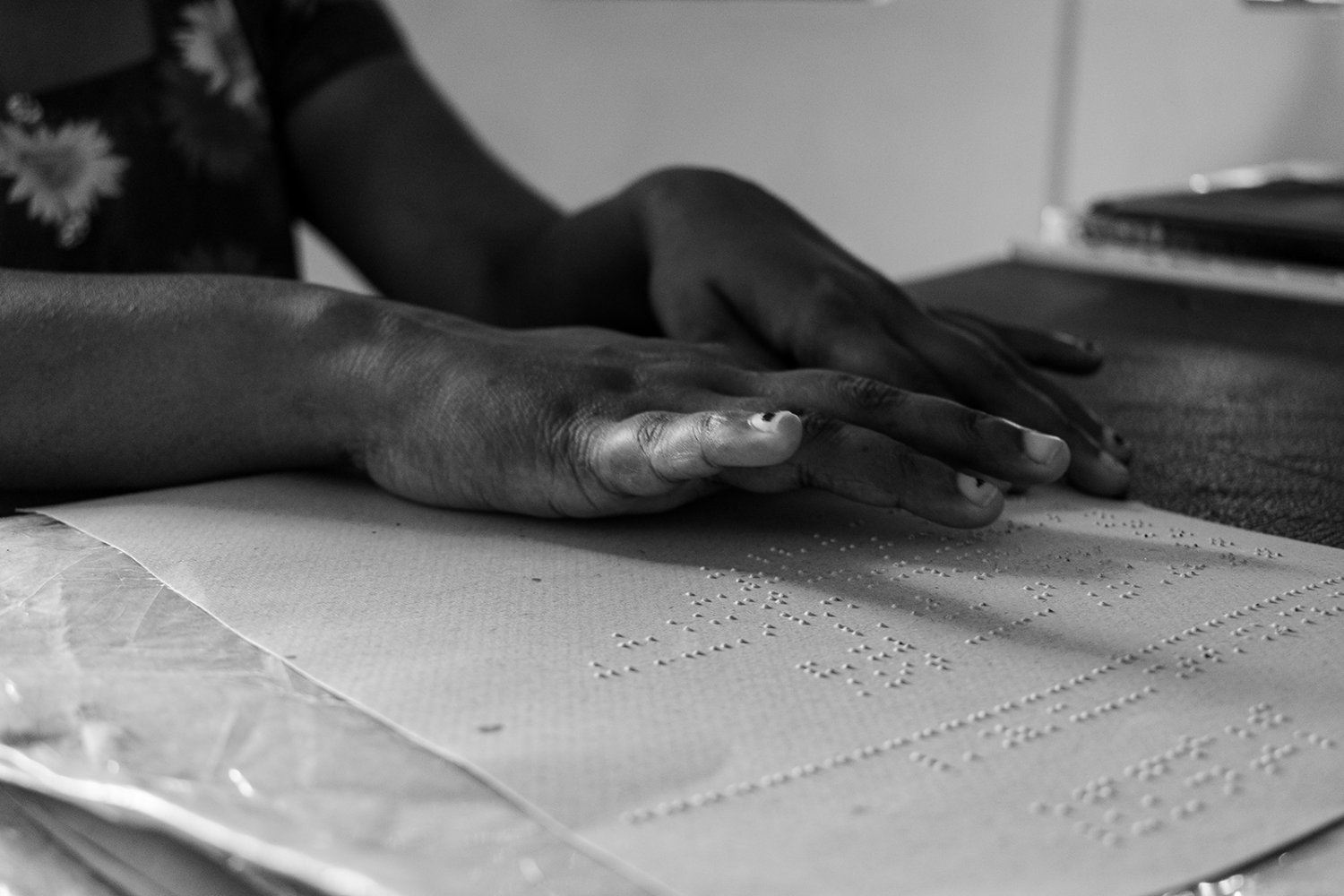
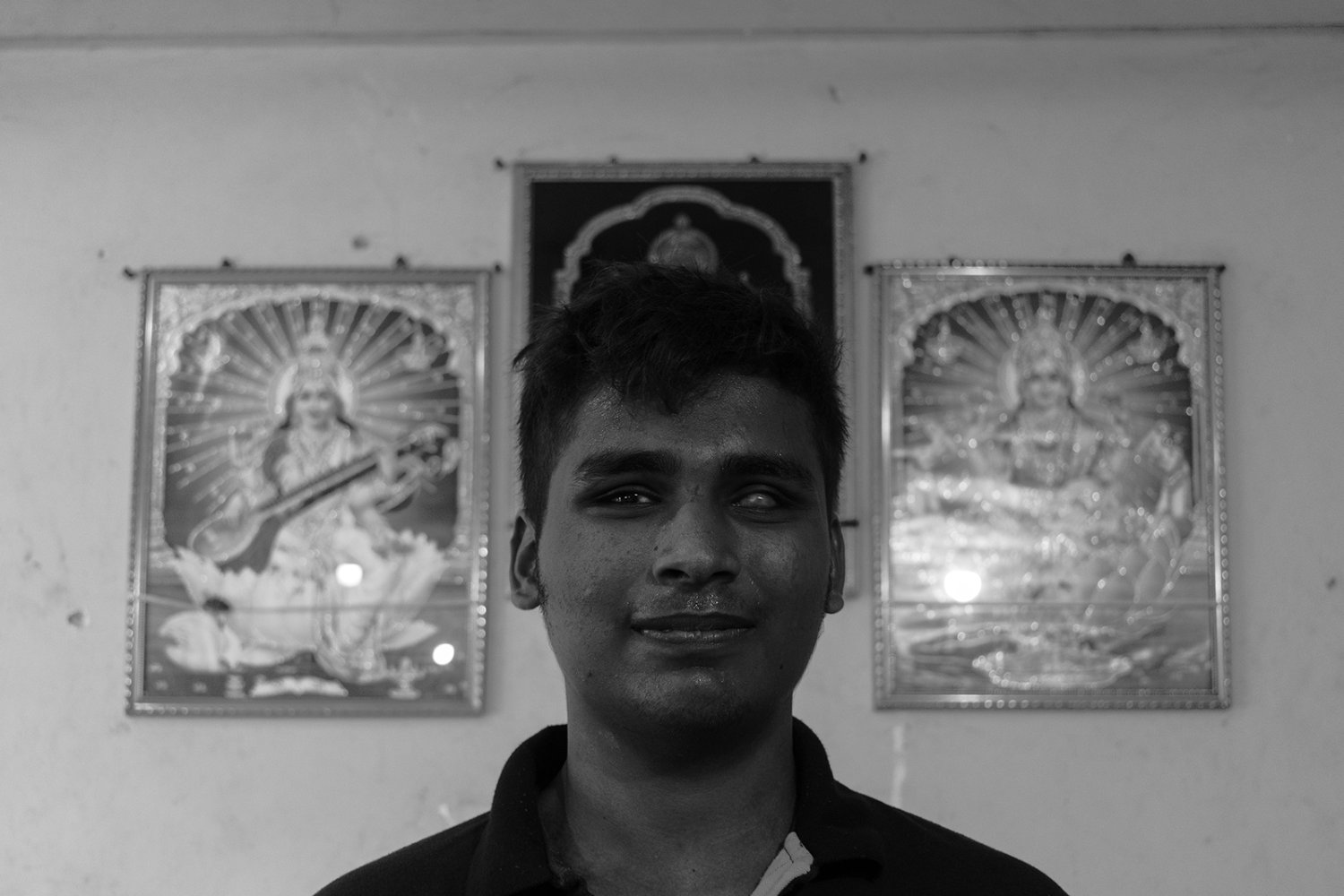
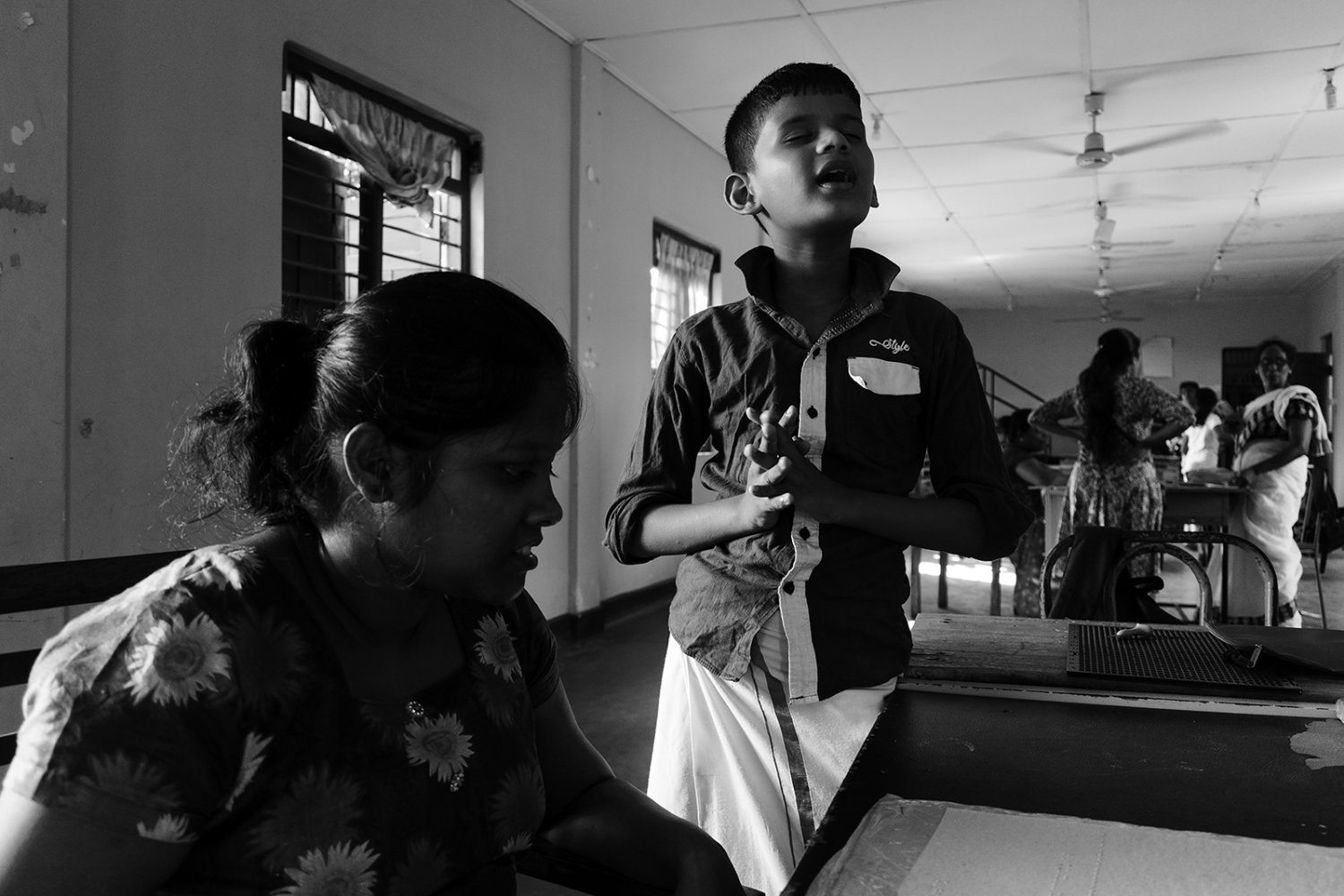
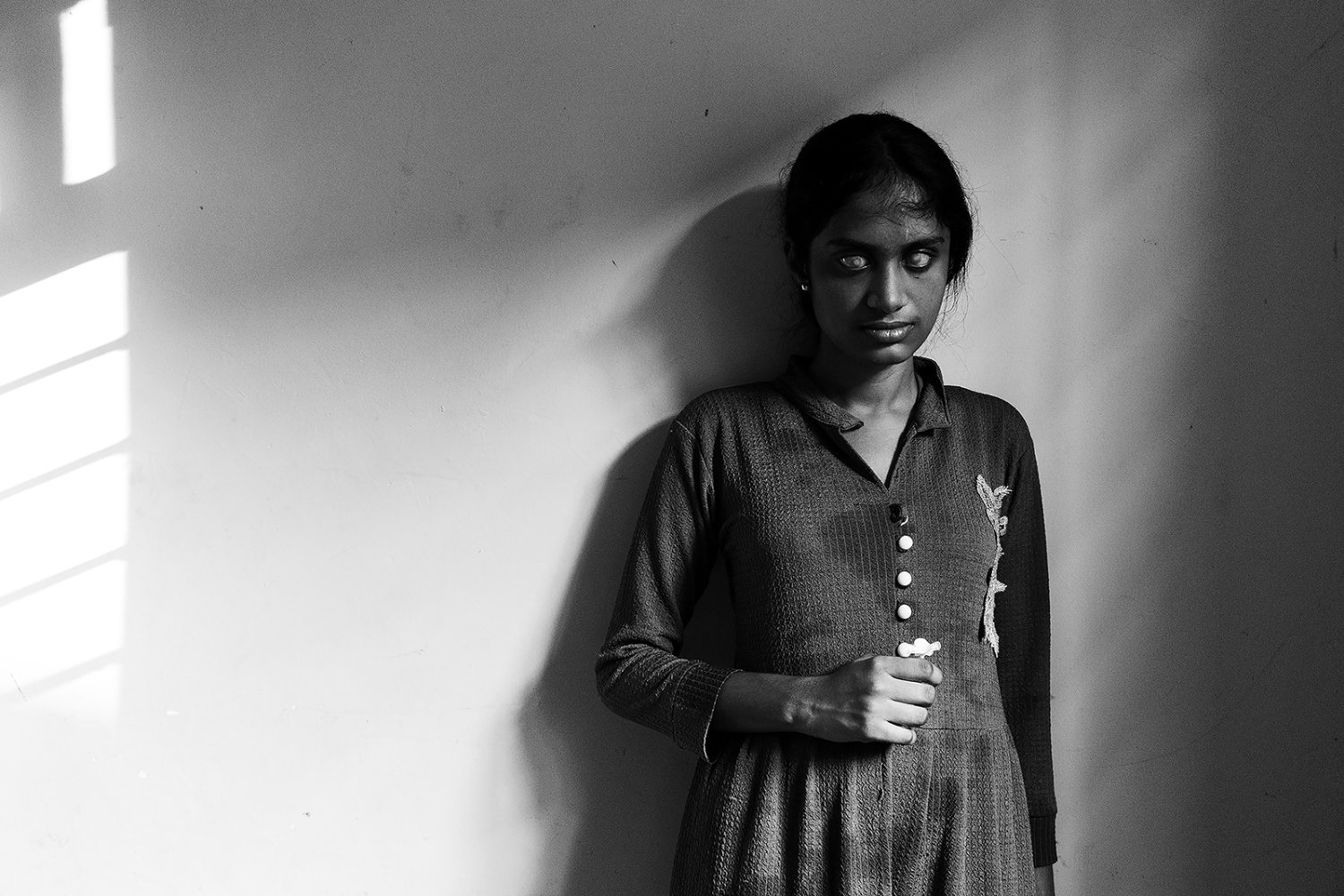
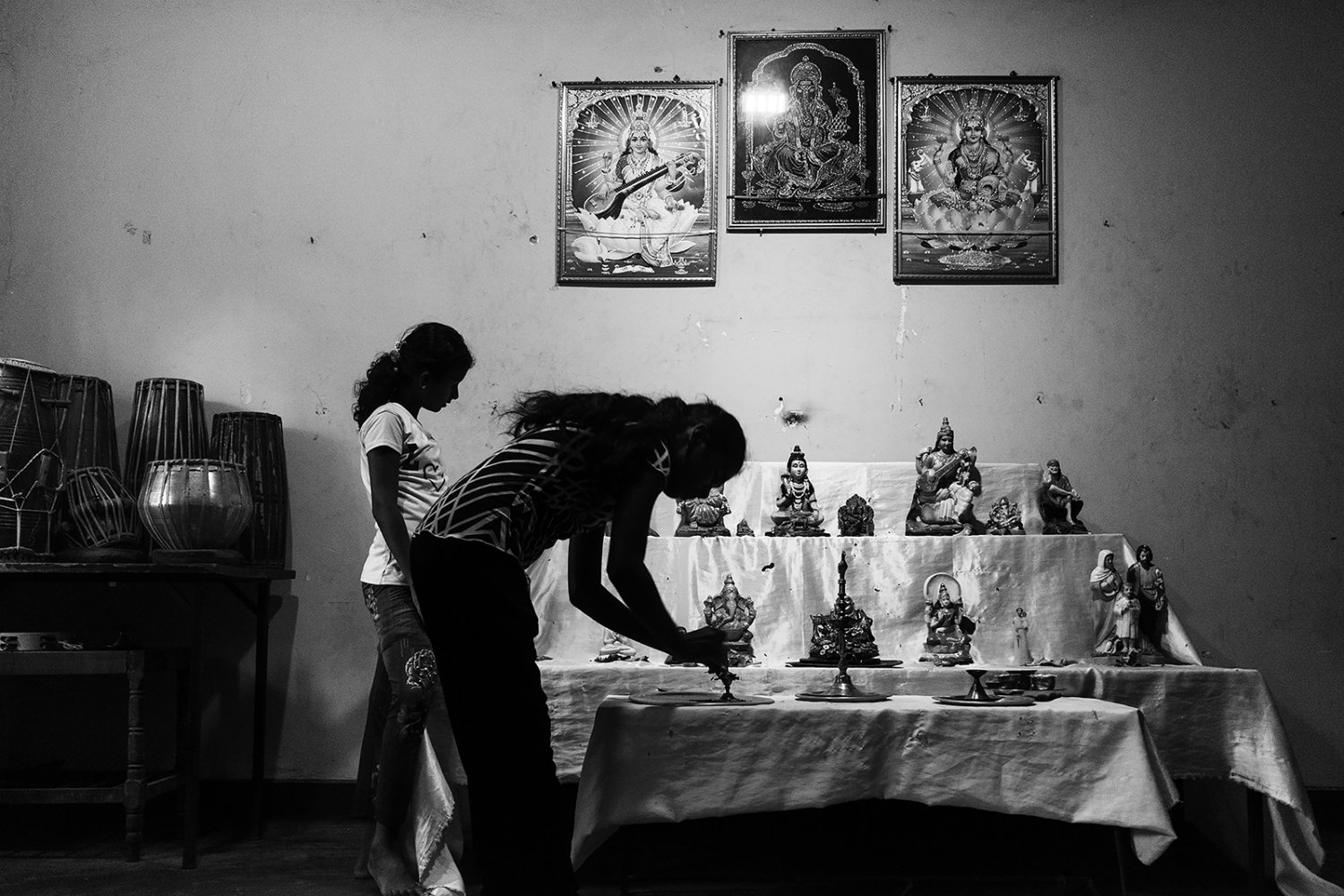
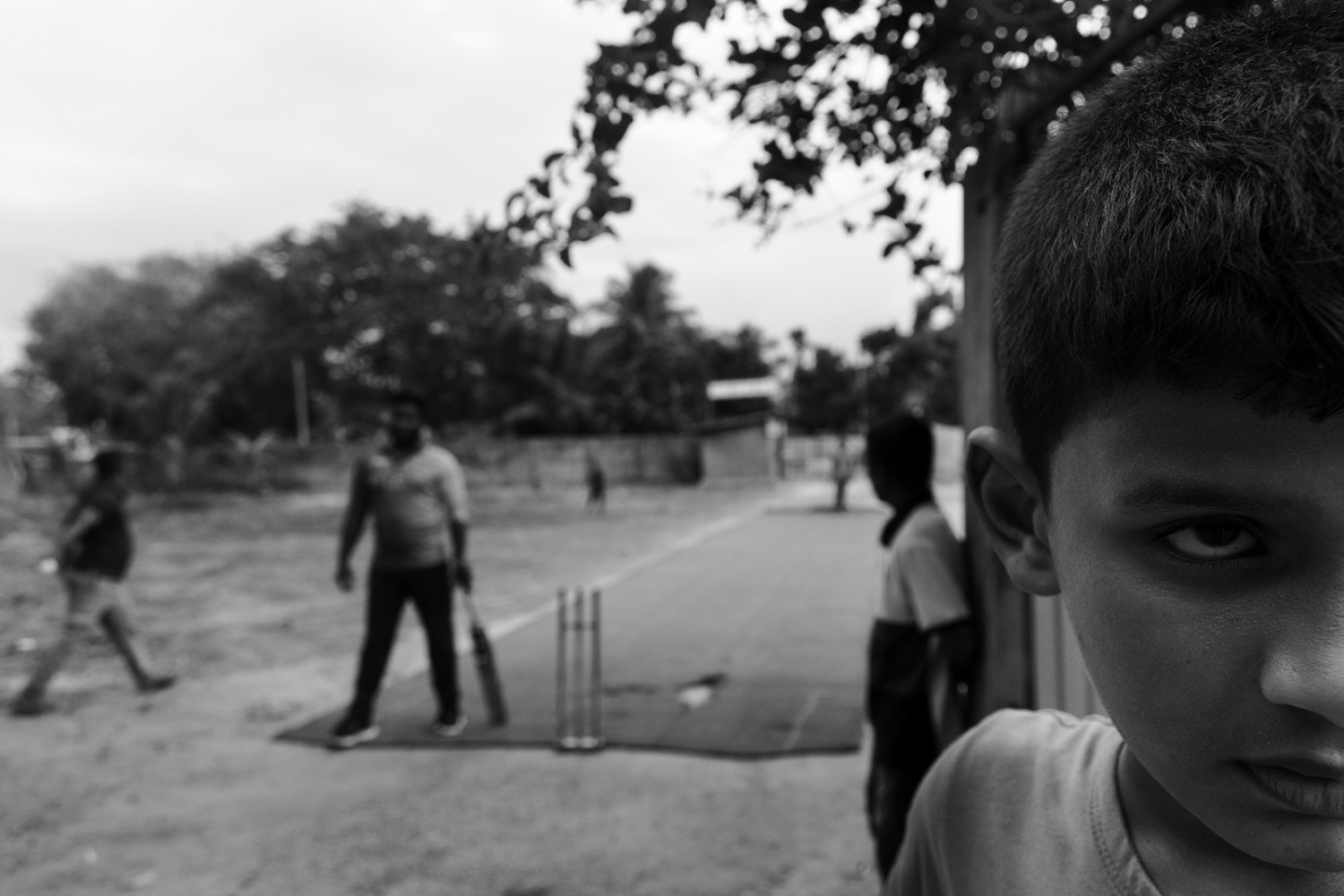
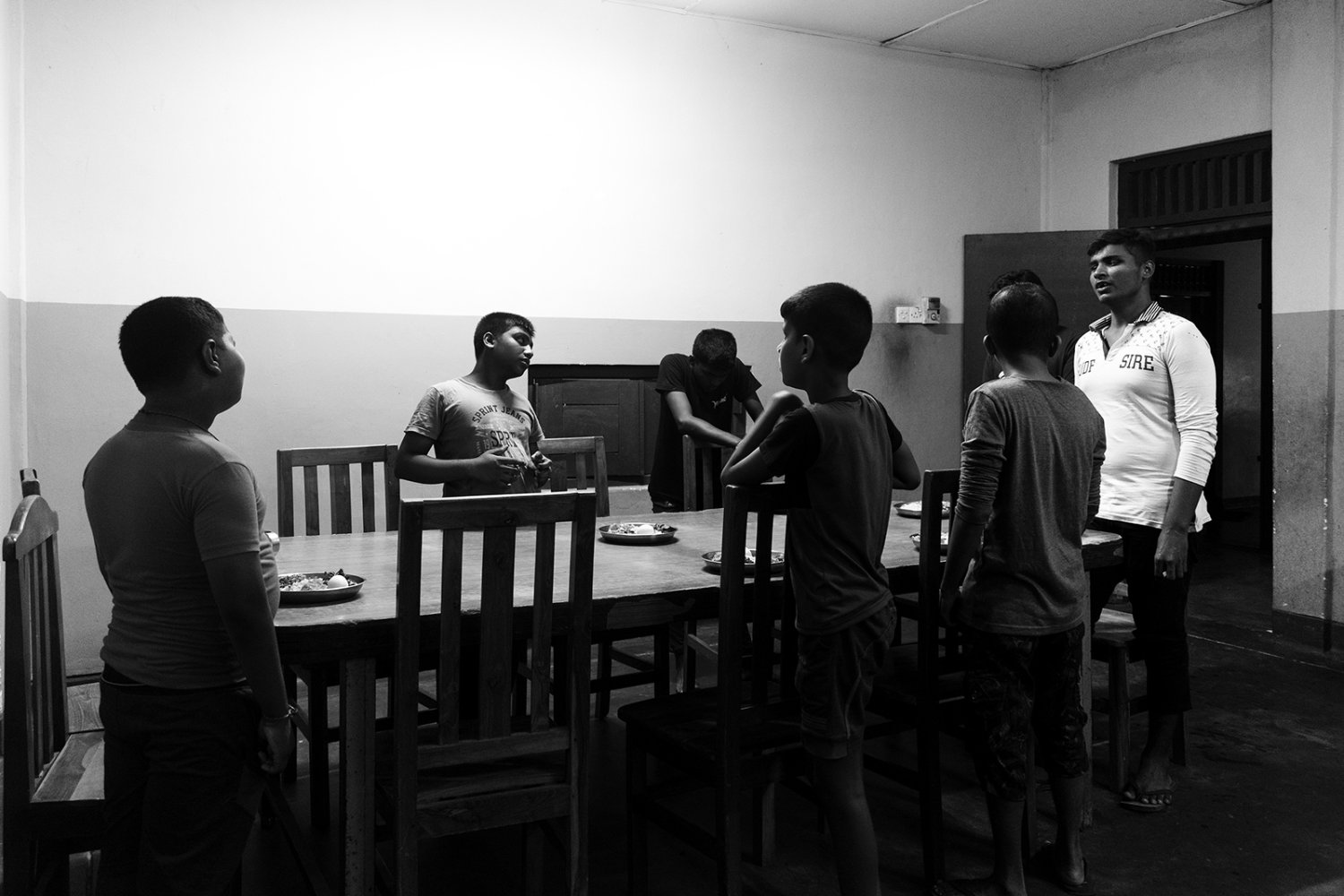
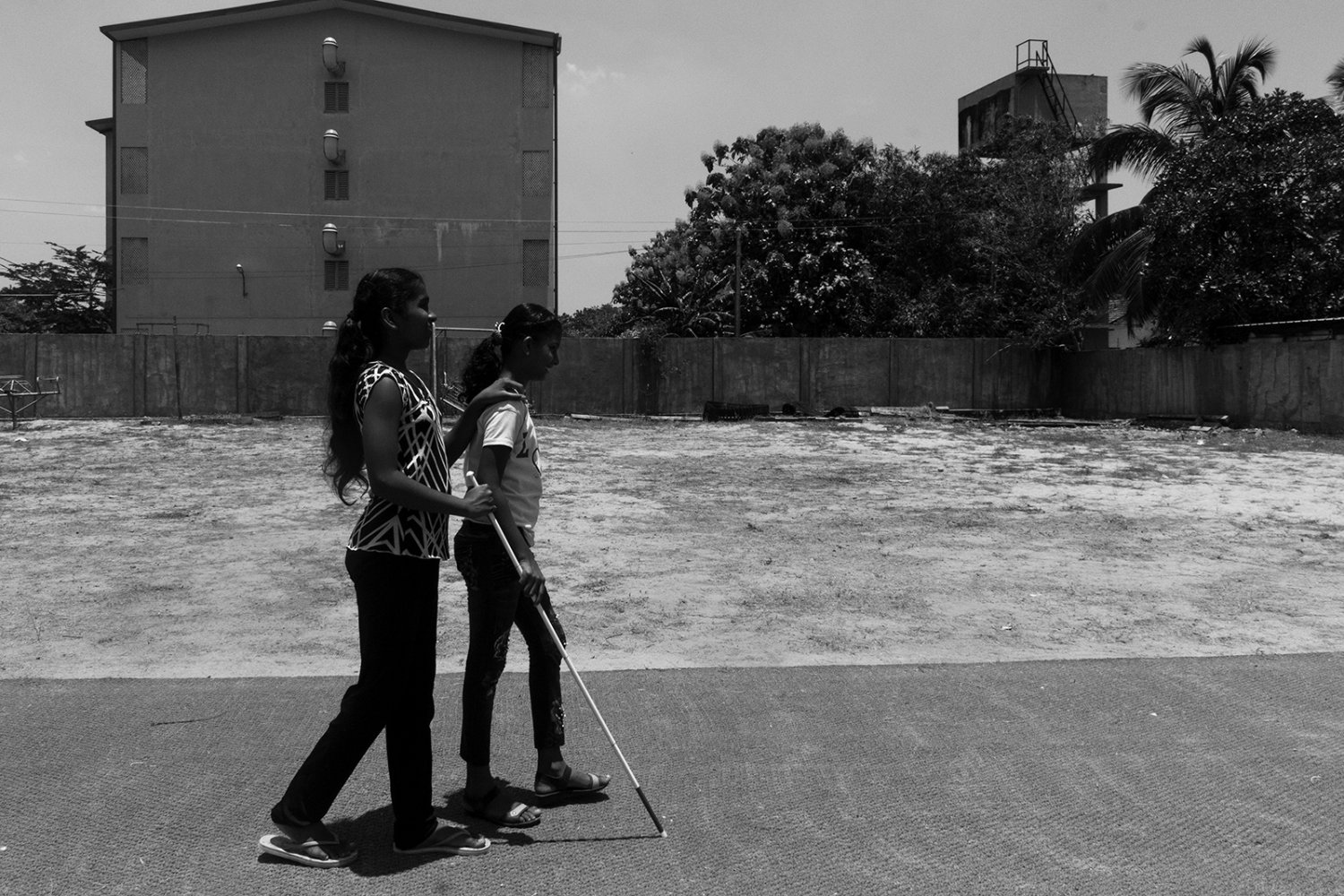
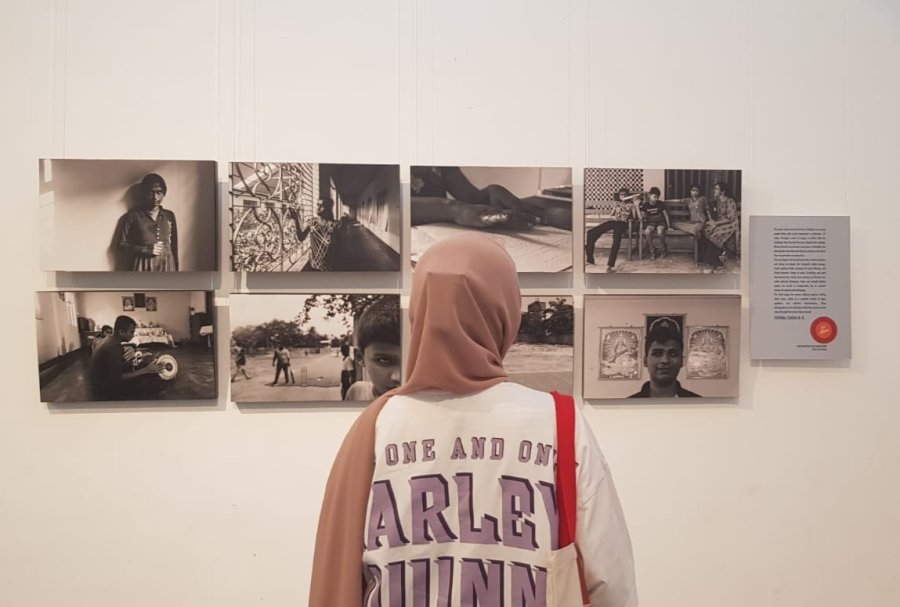
This photo essay tells the story of children and youth living with visual impairment in Batticaloa ,Sri Lanka. The images reflect the struggles they face and their inner strength. Beyond the conventional stereotypes of the disabled, the peace and dignity they live in everyday life are revealed. The story begins with intimate portraits; loneliness and silence are deeply felt. Then, details such as Braille touch and social affection emerge. Music, friendship, and sports scenes show how vitality and creativity can flourish even within limitations. Hope and cultural identity emerge not as mere backdrops, but as sources of meaning and belonging. The final image of two women walking together, holding white canes stands as a symbol of hope, guidance, and collective determination. These photographs are not just about what they cannot see, but also about the light that carries them forward.
This photo essay tells the story of children and youth living with visual impairment in Batticaloa ,Sri Lanka. The images reflect the struggles they face and their inner strength. Beyond the conventional stereotypes of the disabled, the peace and dignity they live in everyday life are revealed. The story begins with intimate portraits; loneliness and silence are deeply felt. Then, details such as Braille touch and social affection emerge. Music, friendship, and sports scenes show how vitality and creativity can flourish even within limitations. Hope and cultural identity emerge not as mere backdrops, but as sources of meaning and belonging. The final image of two women walking together, holding white canes stands as a symbol of hope, guidance, and collective determination. These photographs are not just about what they cannot see, but also about the light that carries them forward.
Visão geral
Nome
Sobrenome
Localização
Cidade
País
Passaporte
Eventos
1
Países
1
Países disponíveis
72
Albânia
Arménia
Austrália
Áustria
Azerbaijão
Bahrein
Bangladesh
Bielorrússia
Bélgica
Benim
Bósnia e Herzegovina
Brasil
Bulgária
Canadá
China
Croácia
Cuba
Chipre
República Checa
Dinamarca
Egito
Estónia
França
Geórgia
Alemanha
Grécia
Guadalupe
Hong Kong
Hungria
Índia
Irã
Iraque
Itália
Jordânia
Coreia do Sul
Kosovo
Quirguistão
Líbia
Lituânia
Macau
Macedónia do Norte
Malásia
México
Moldávia
Montenegro
Myanmar
Países Baixos
Nigéria
Ilhas Marianas Setentrionais
Omã
Polónia
Portugal
Catar
Roménia
Rússia
1

Arábia Saudita
Senegal
Sérvia
Singapura
Eslováquia
Eslovénia
África do Sul
Espanha
Sri Lanka
Suíça
Tajiquistão
Tanzânia
Turquia
Ucrânia
Emirados Árabes Unidos
Reino Unido
Estados Unidos

IAAP · Comunidade
Seguidores