Fathima Zahira Mohamed Nilar
3
Abonnés
10
Suivi
Introduction
Adhésion expirée
Rejoint juillet 2025
Badulla, Sri Lanka
Fathima Zahira Mohamed Nilar
11 nov. 2026
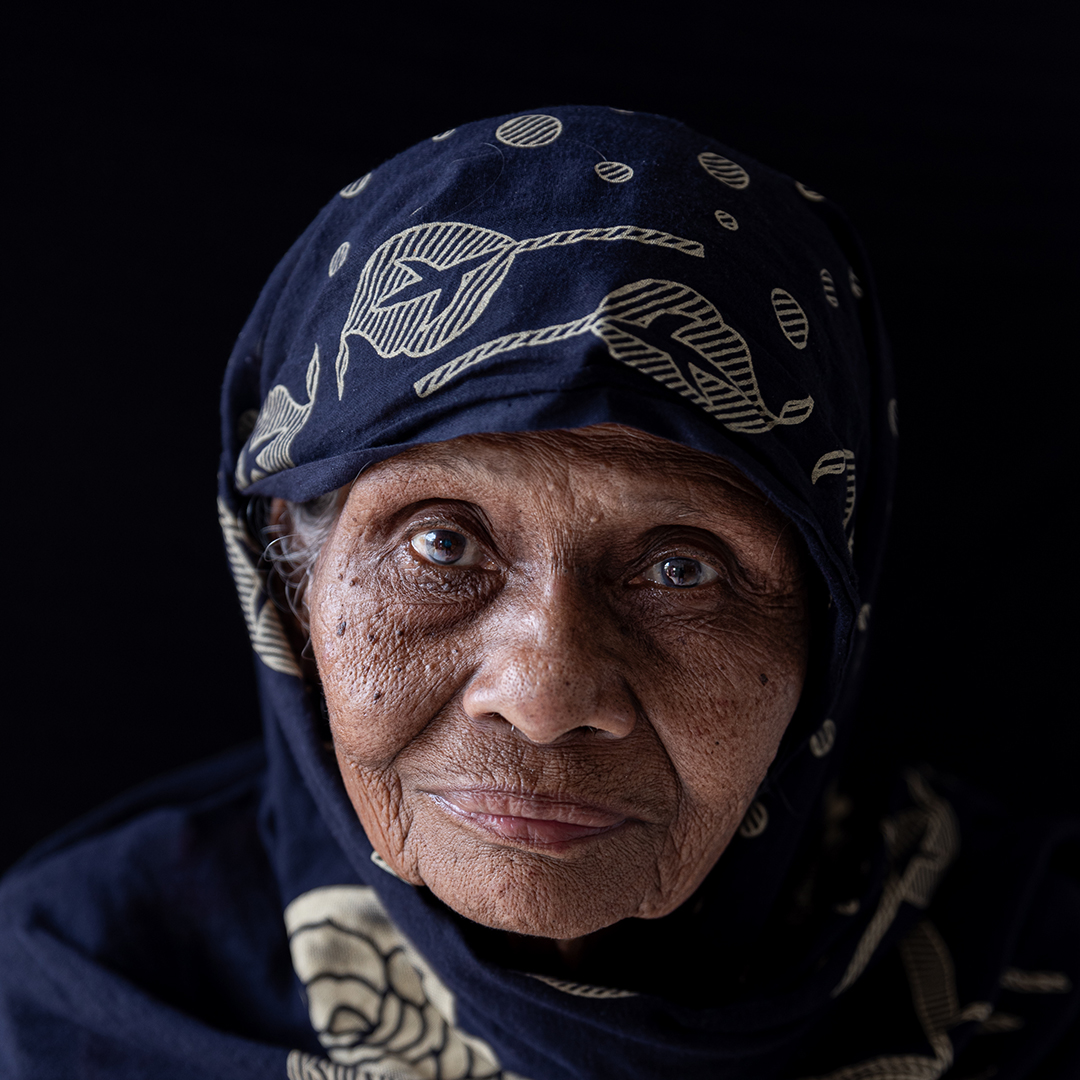
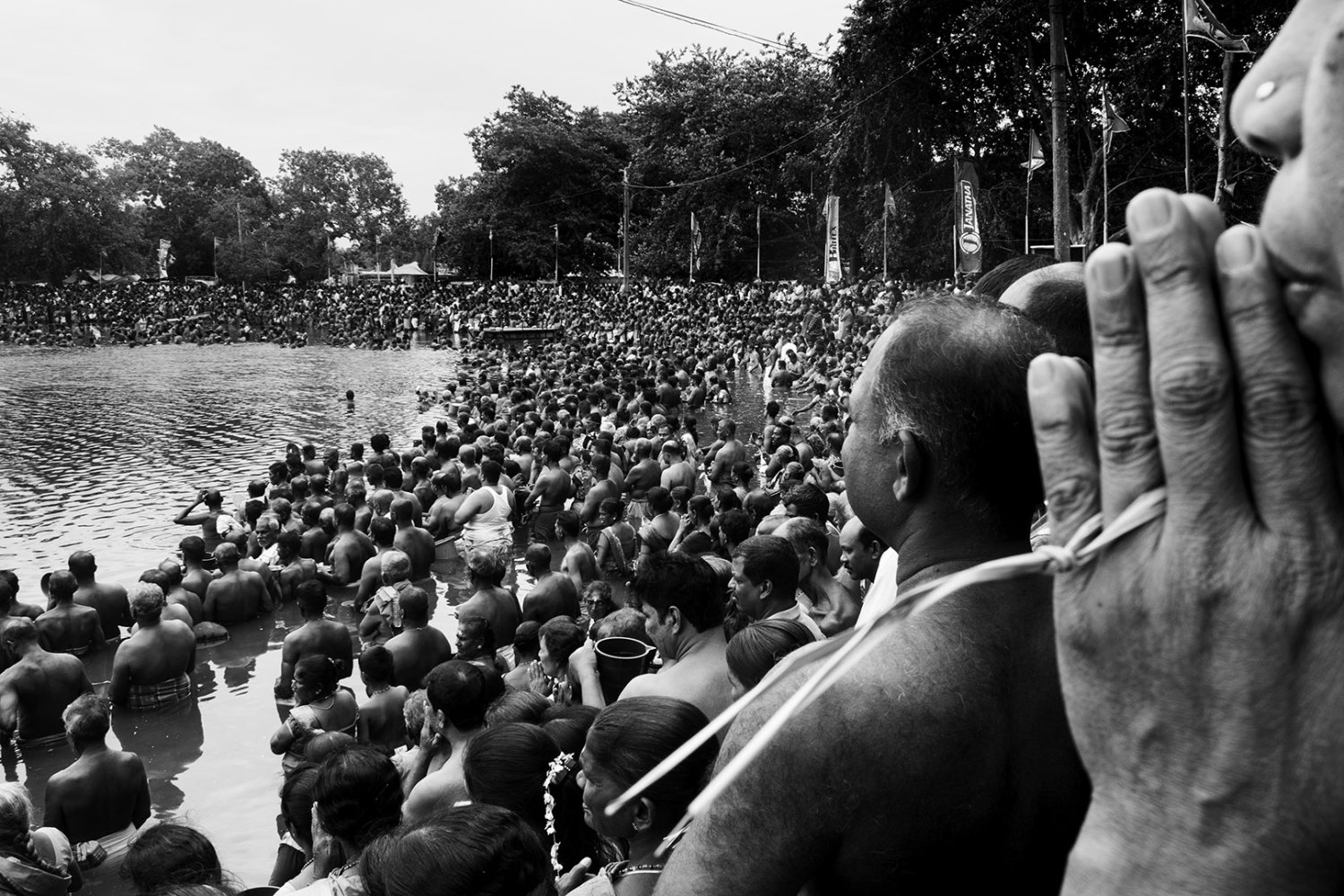
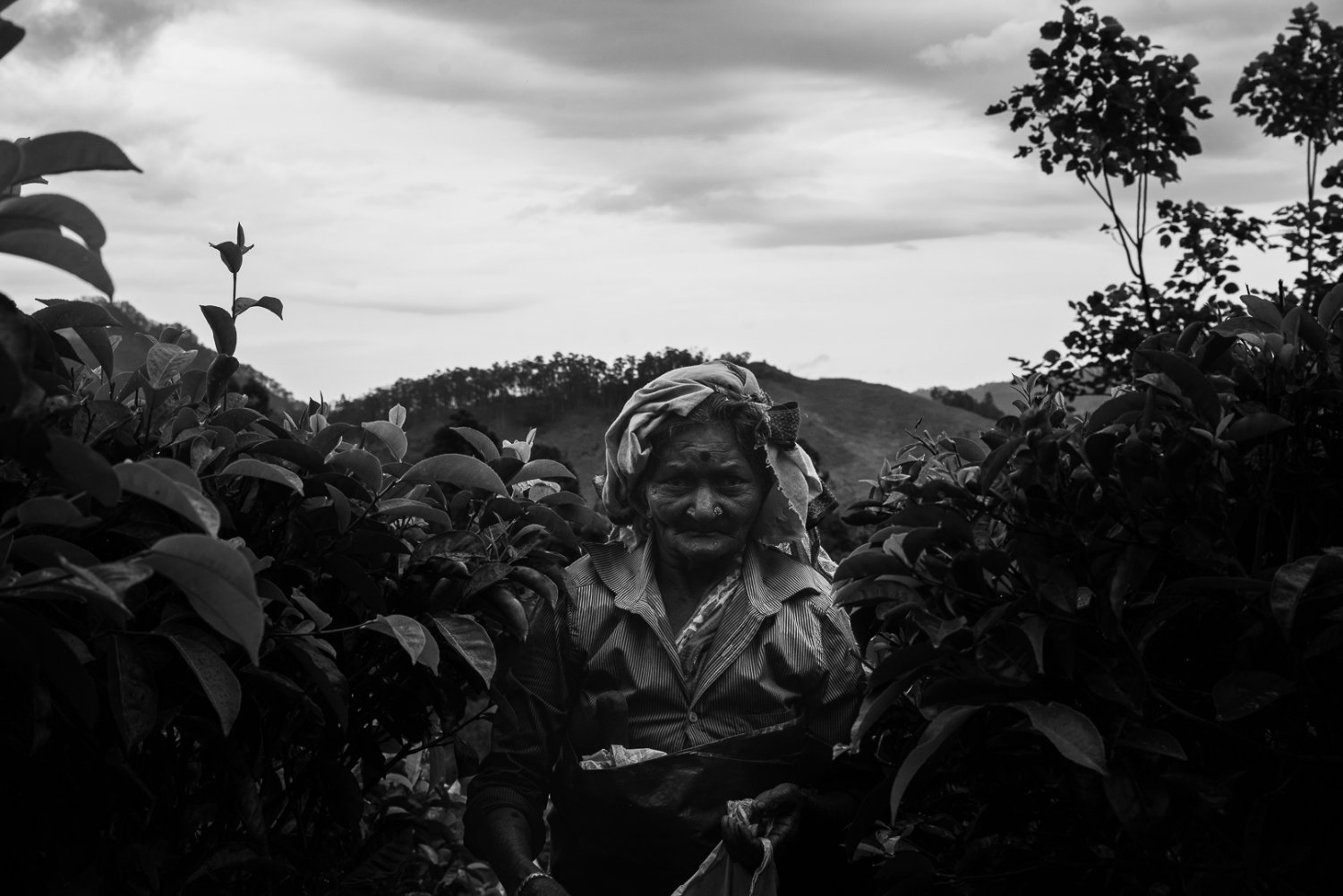
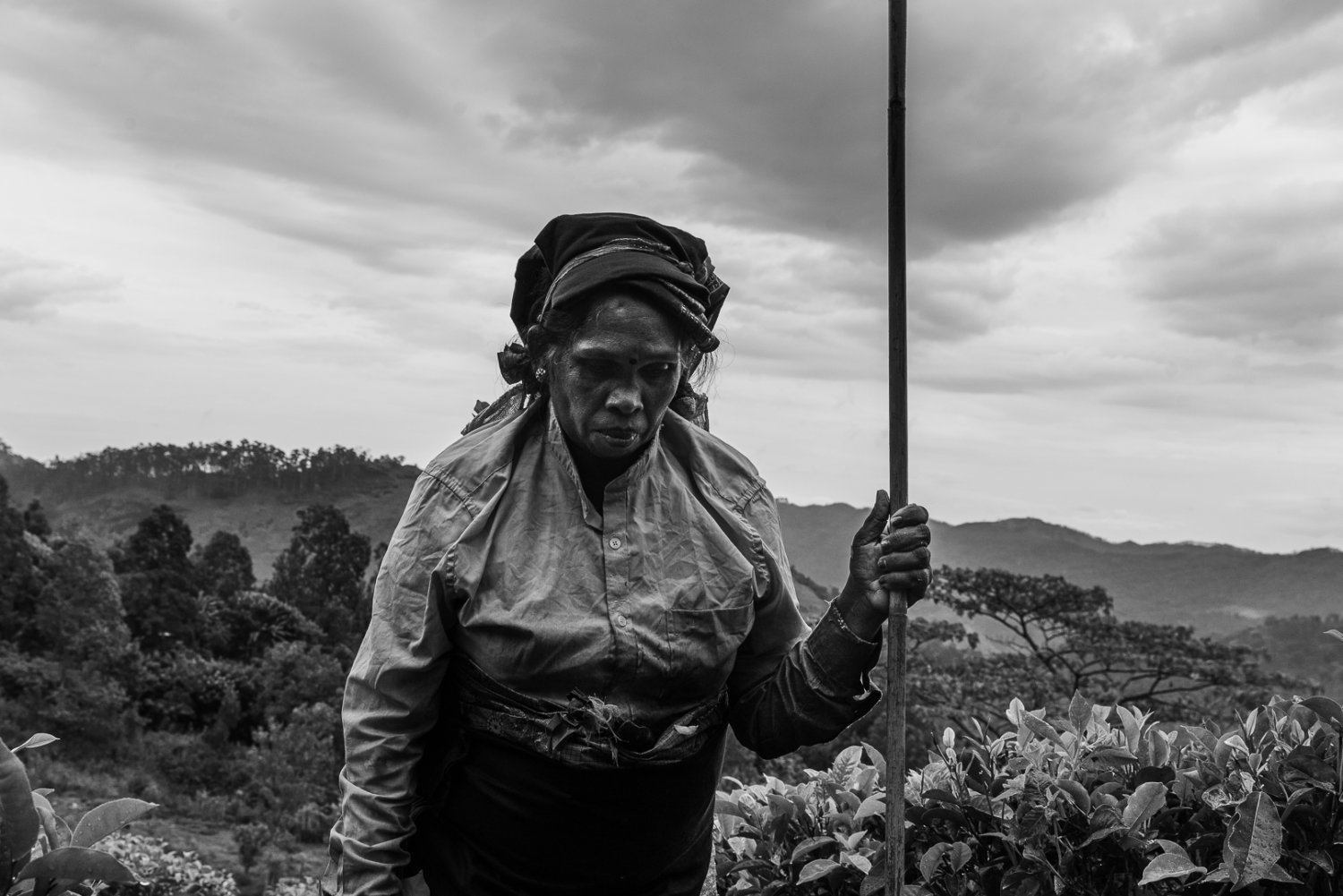
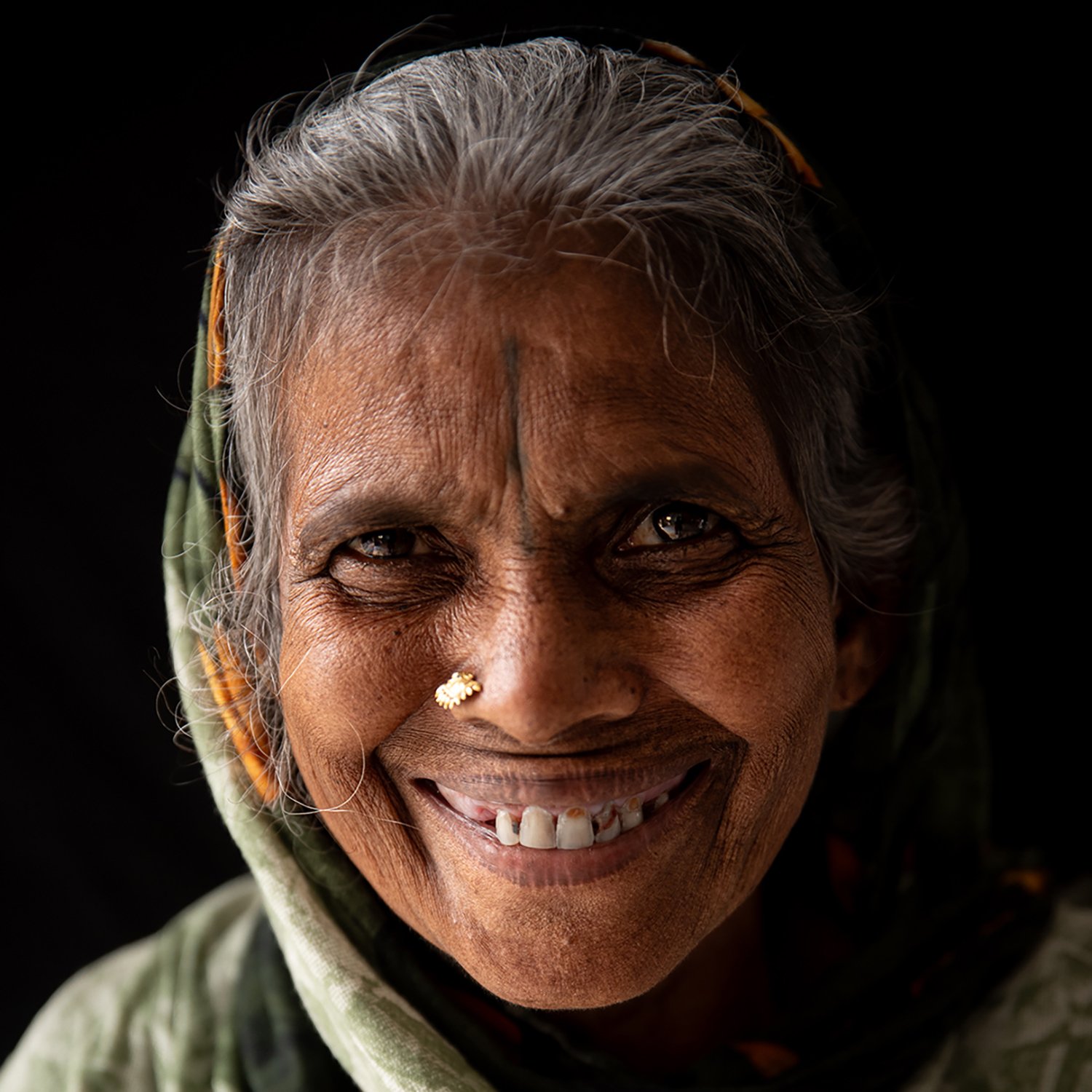
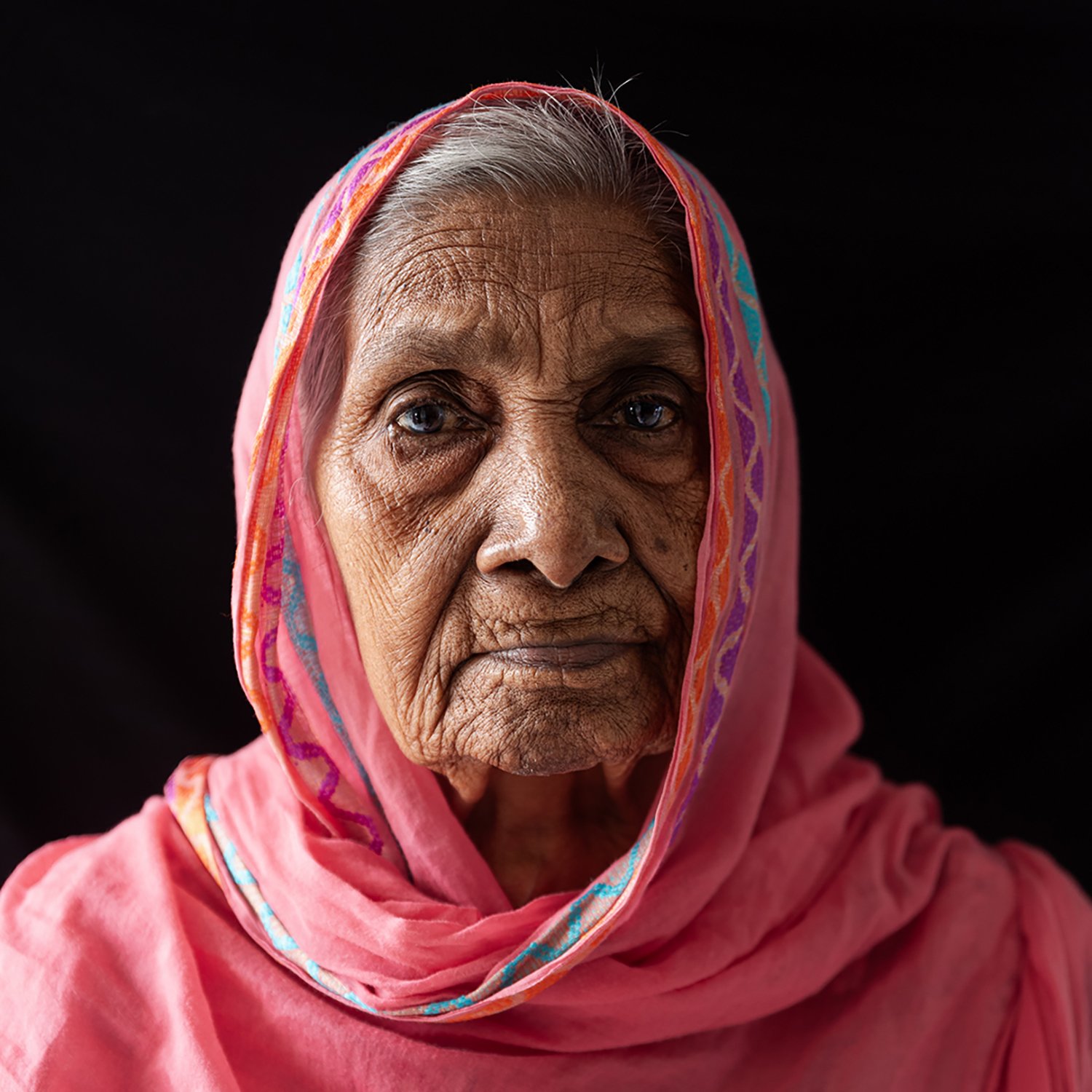
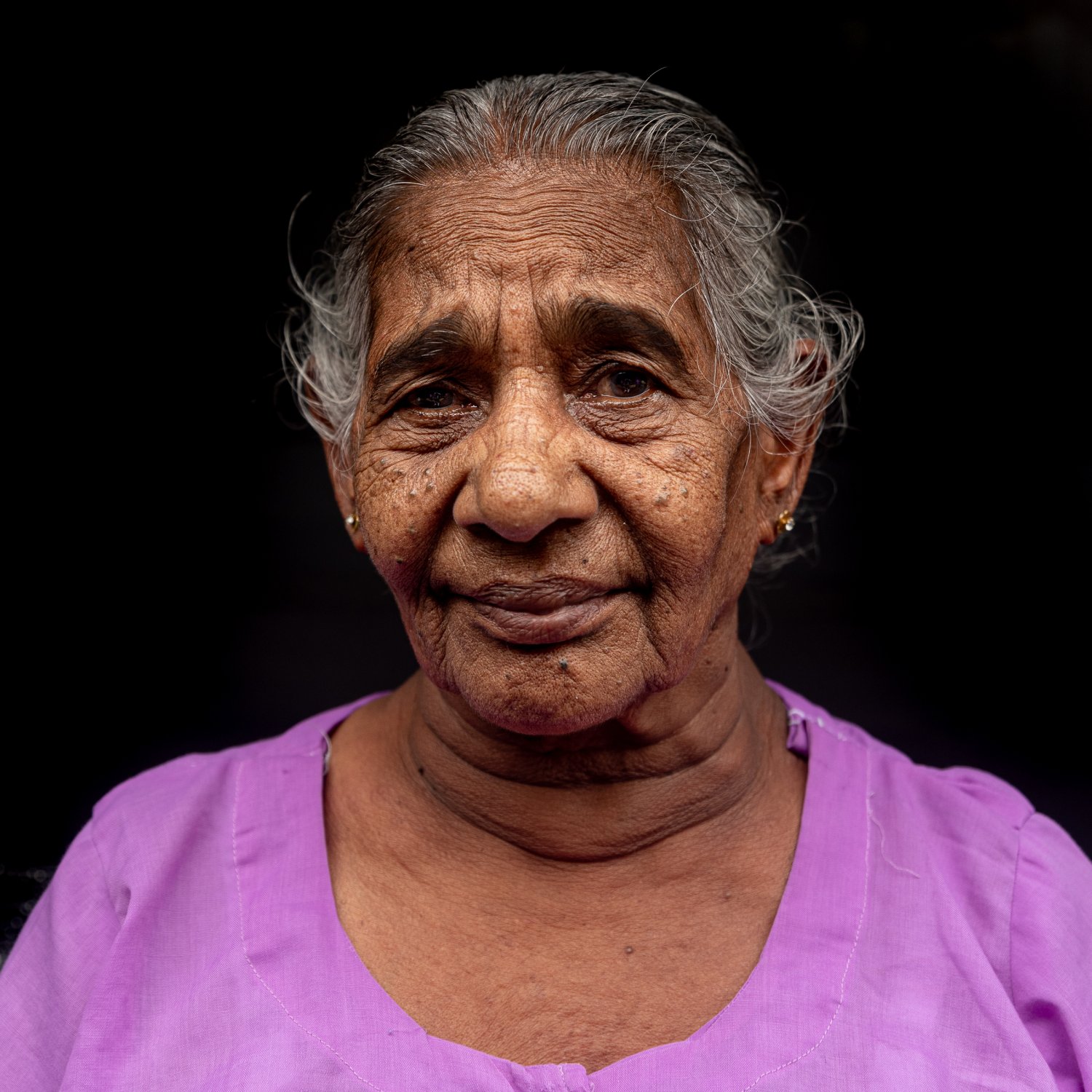
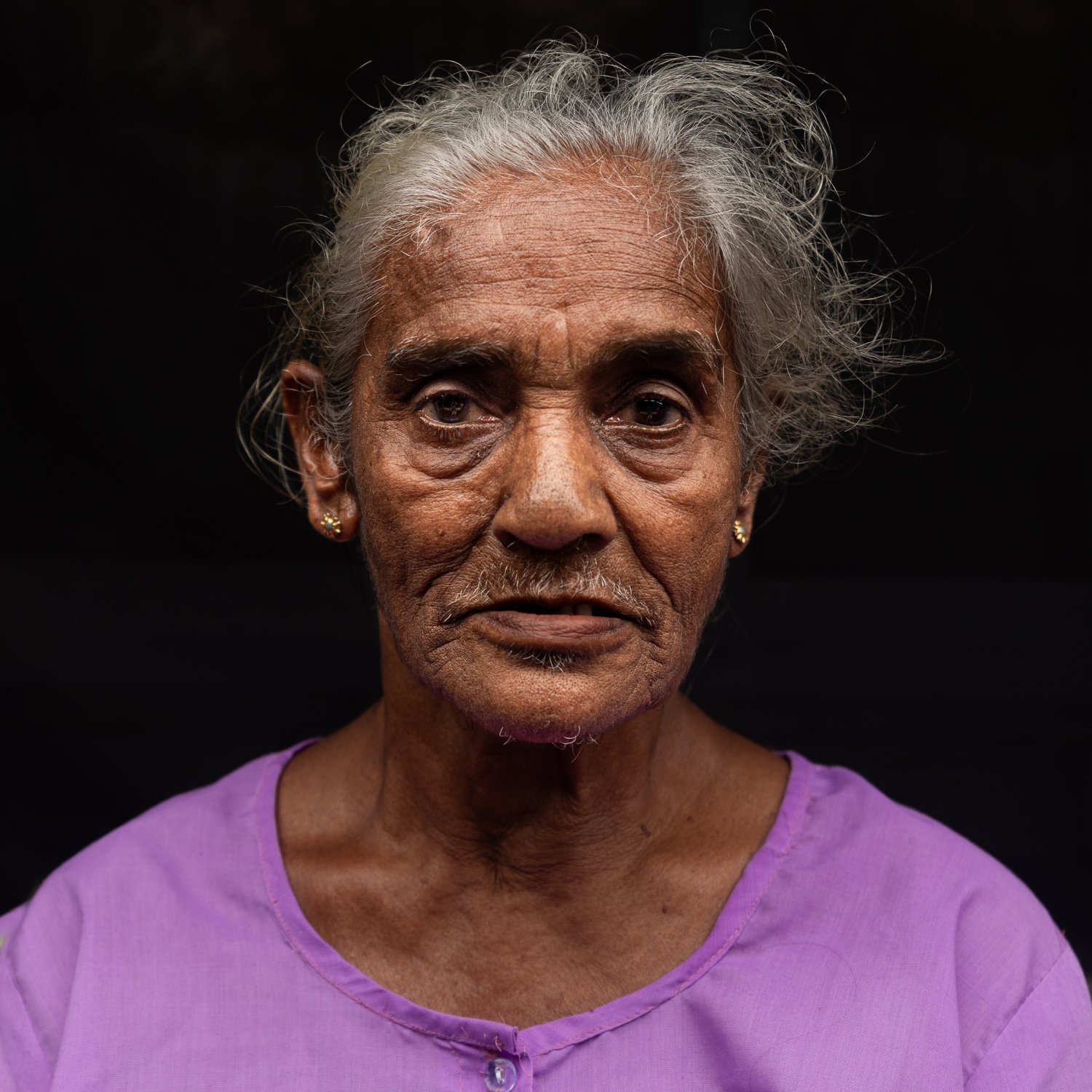
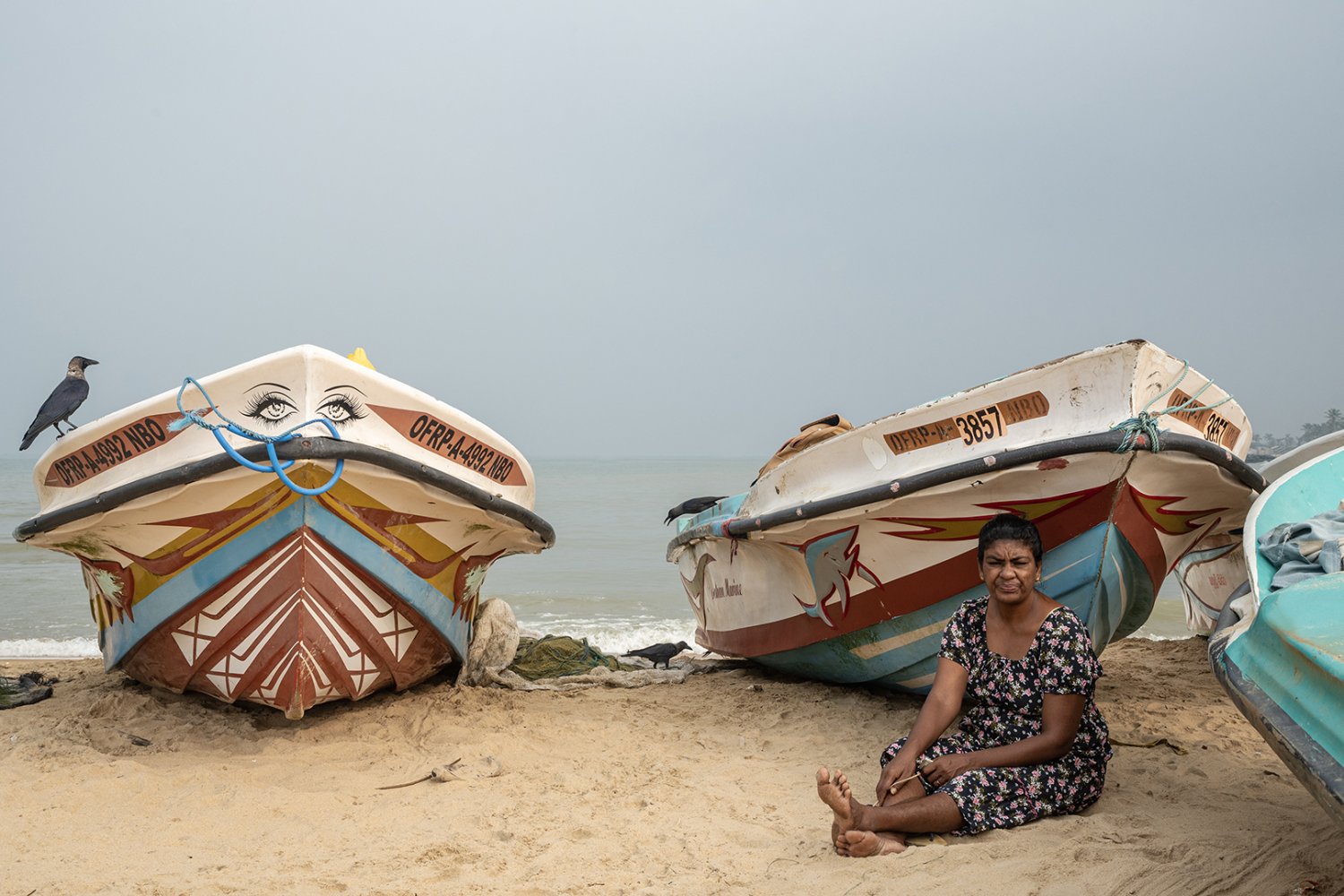
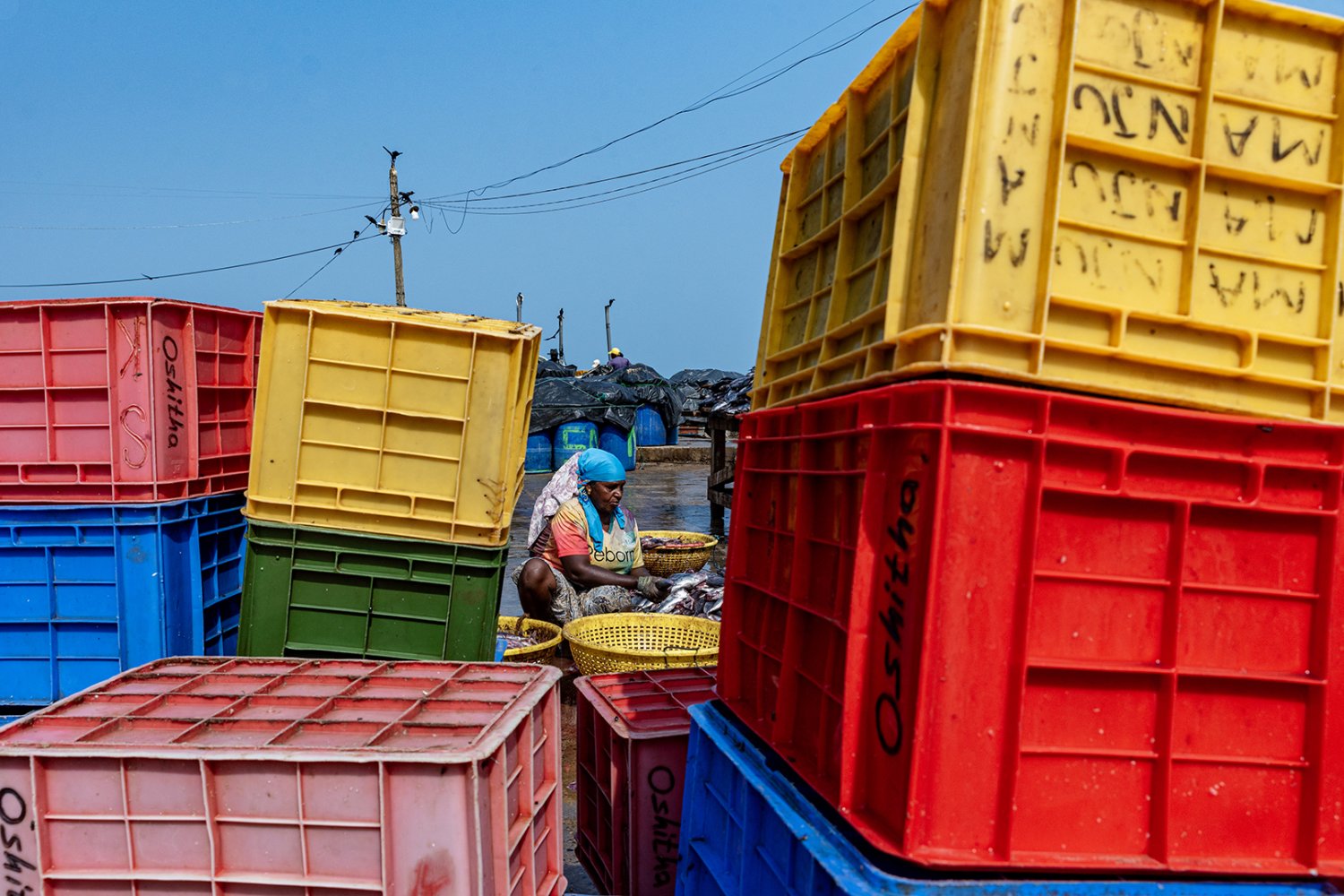
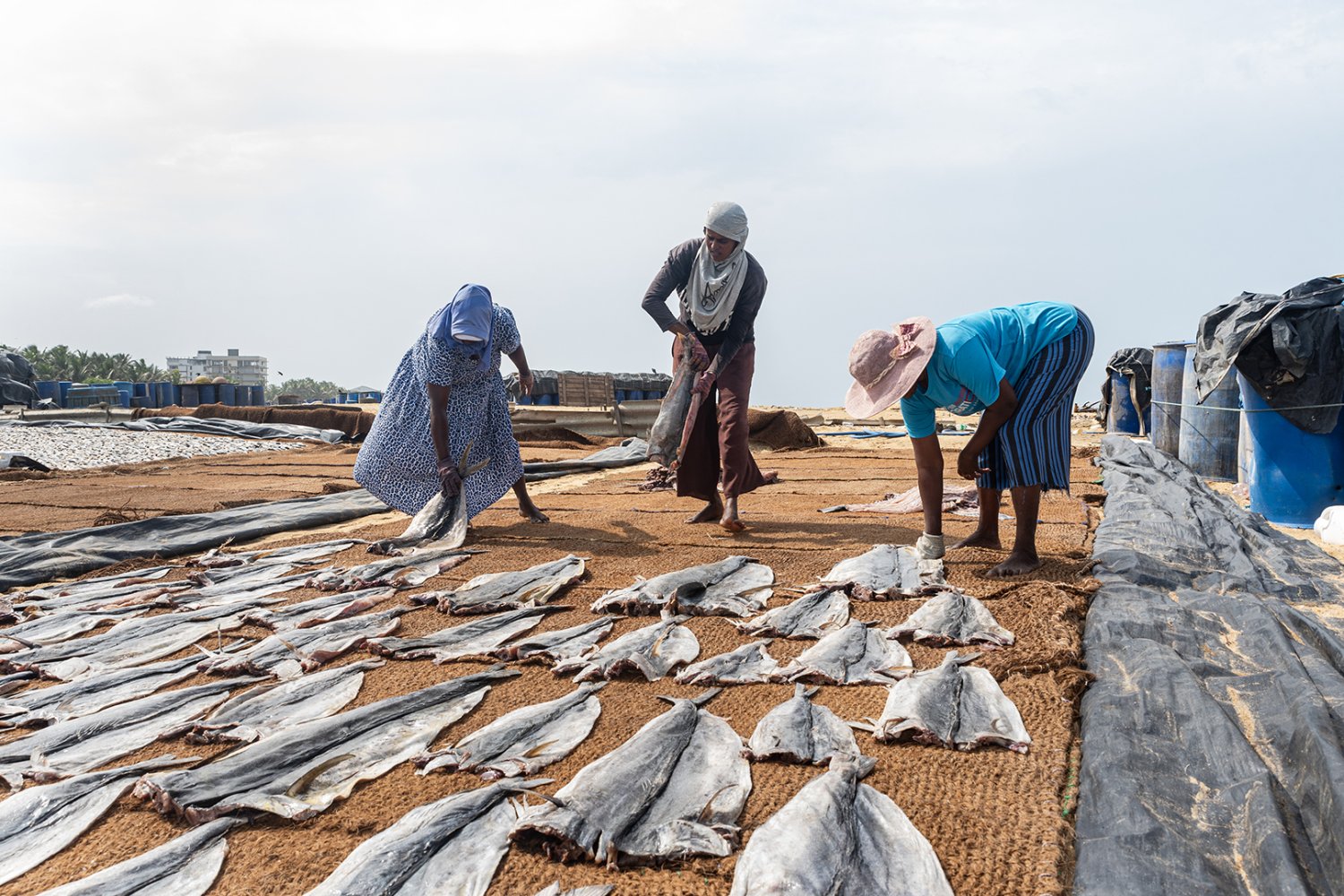
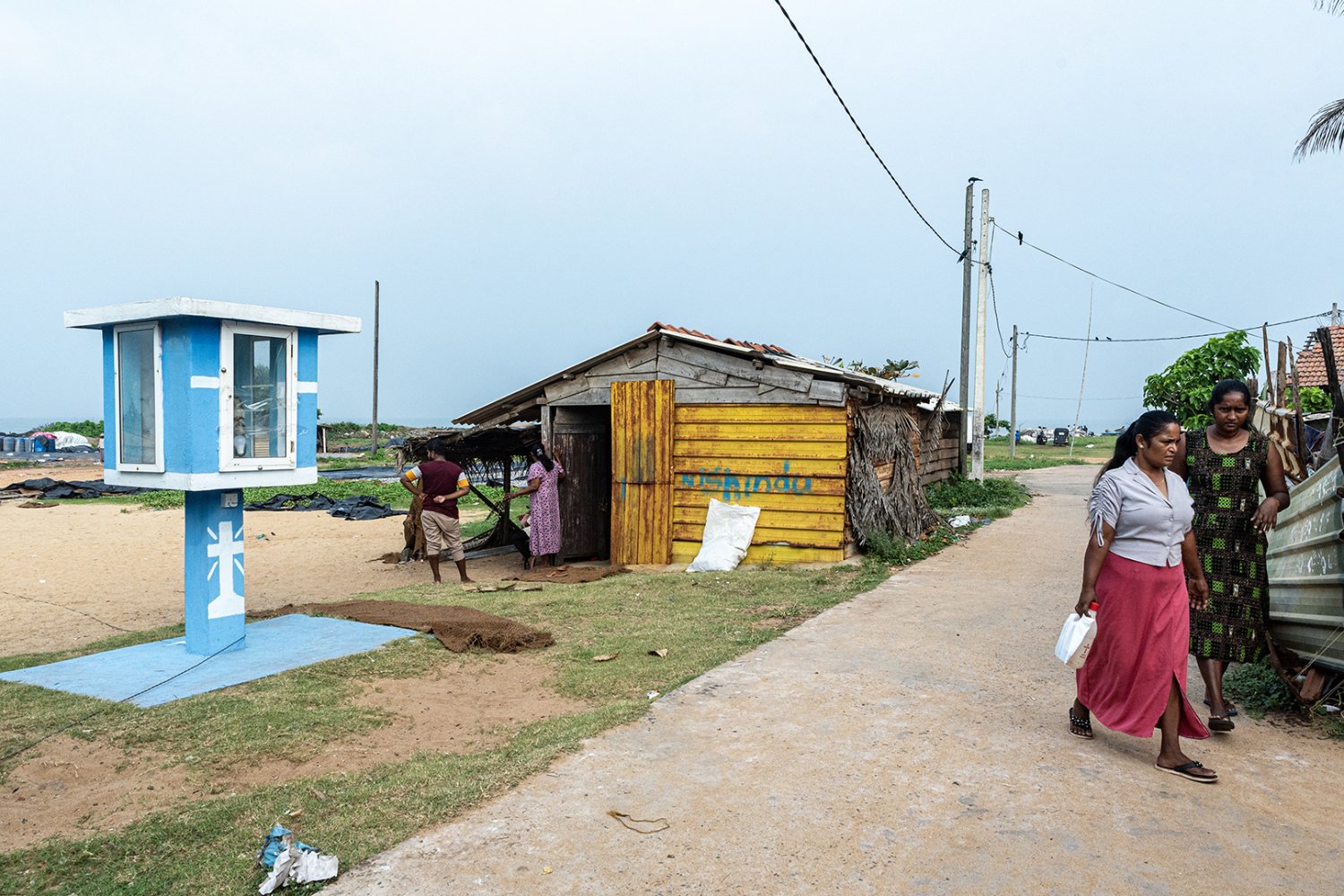
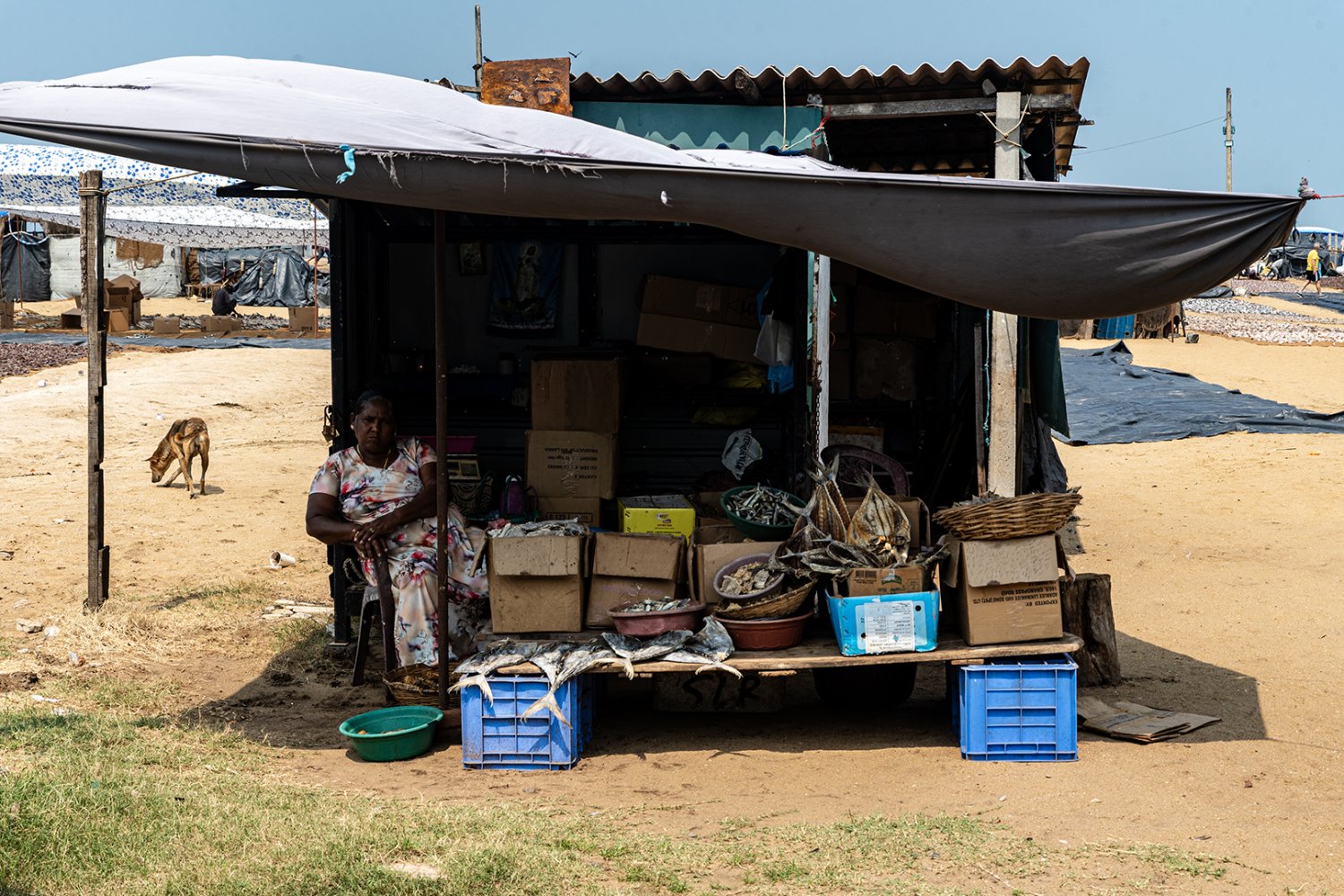
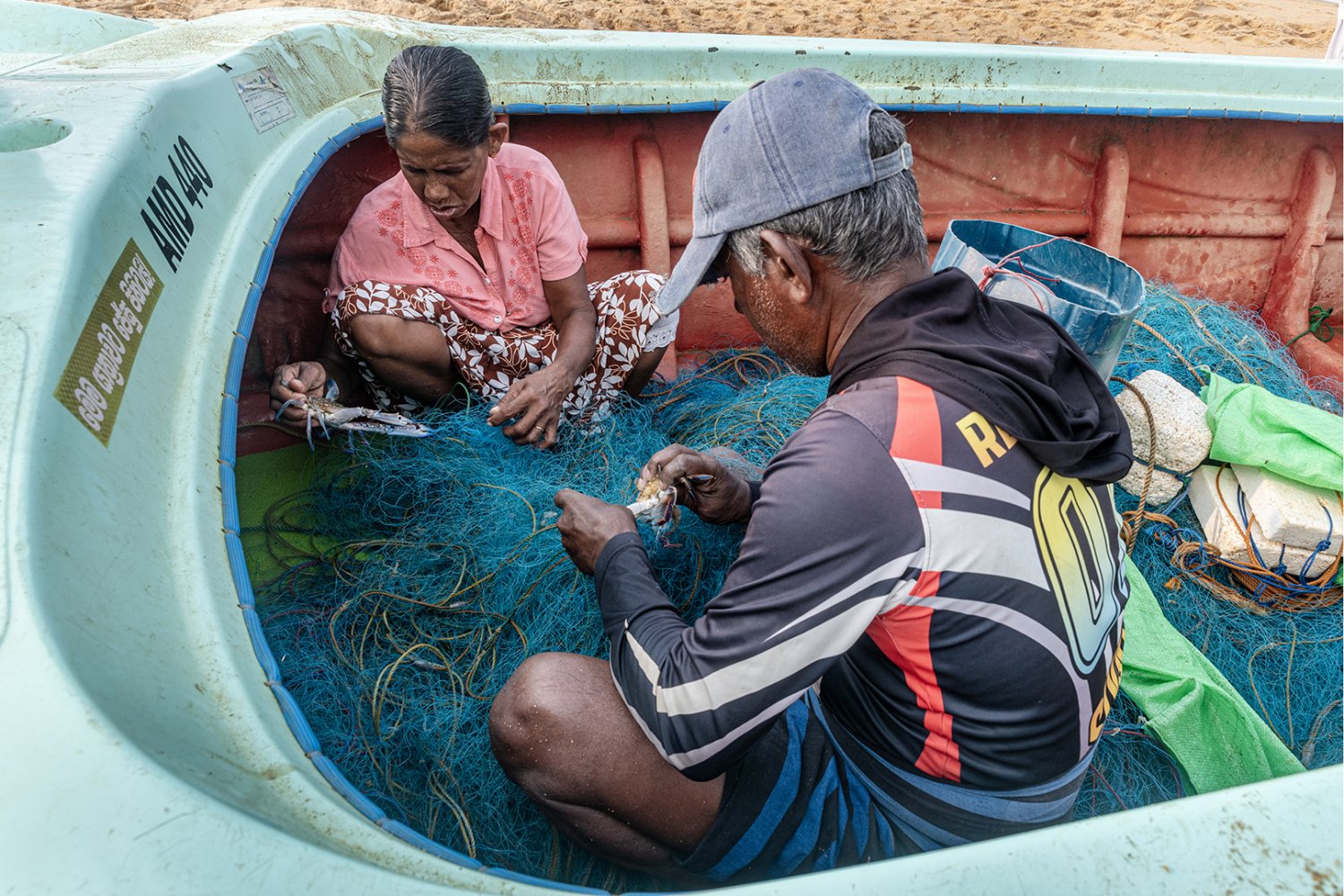
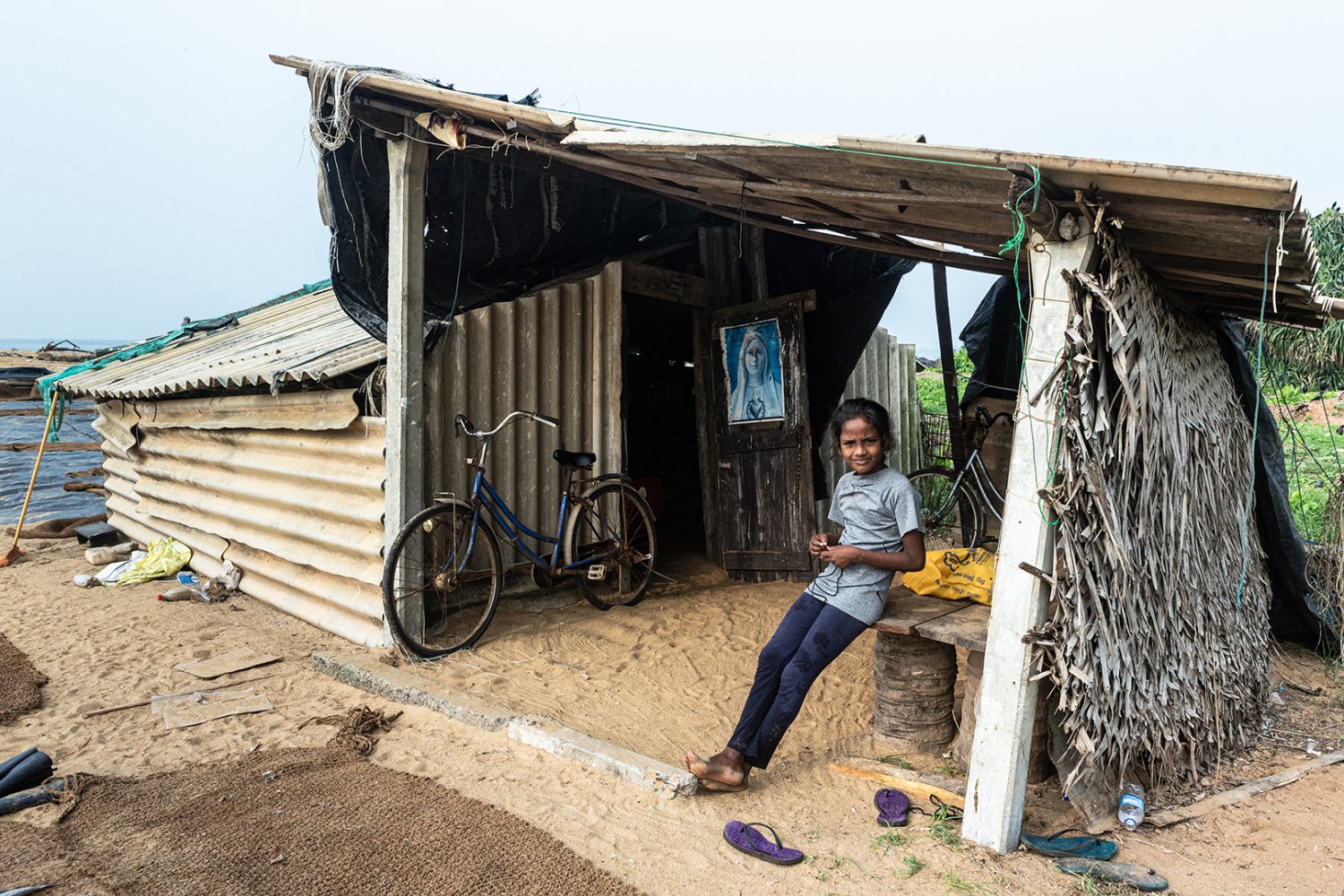
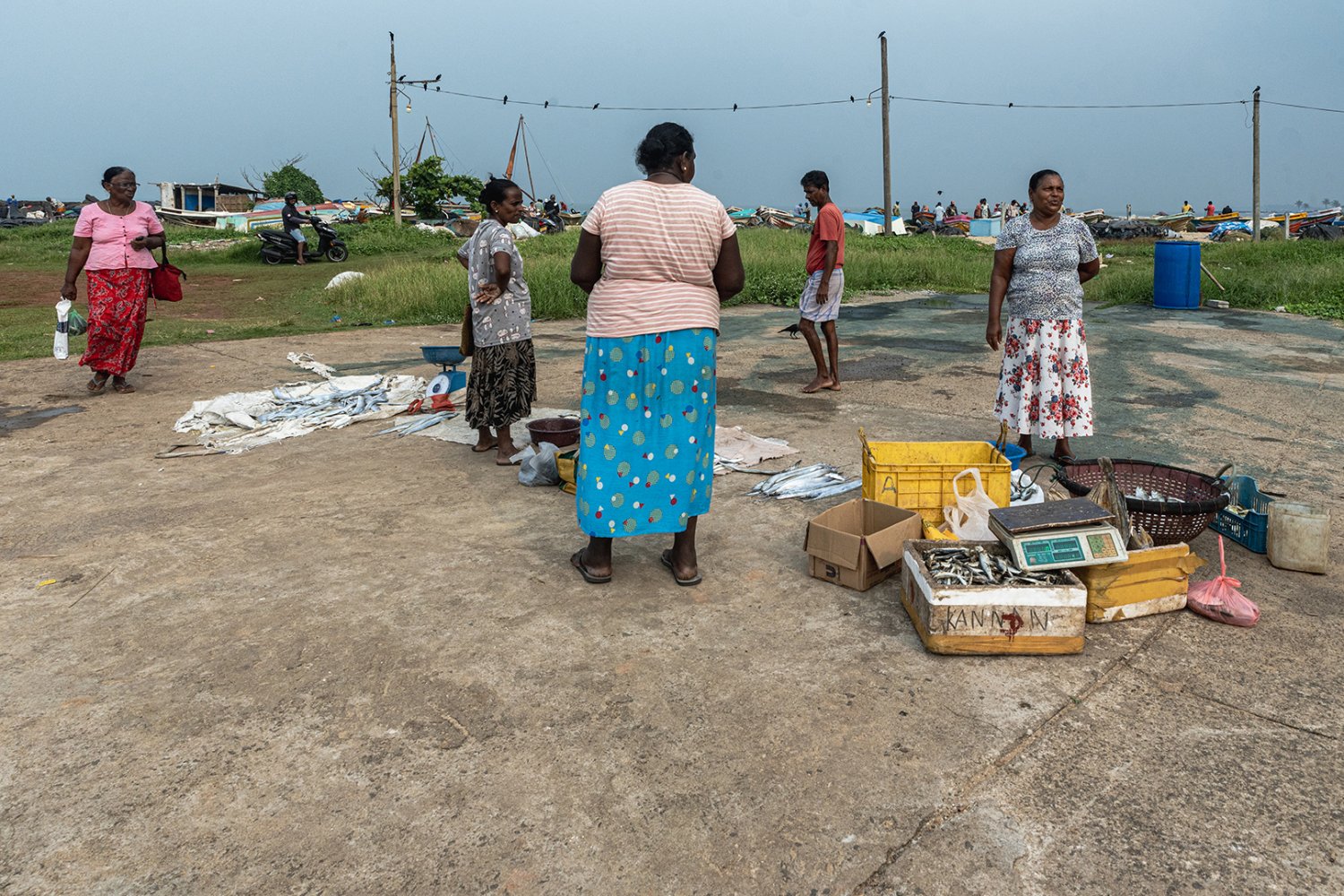
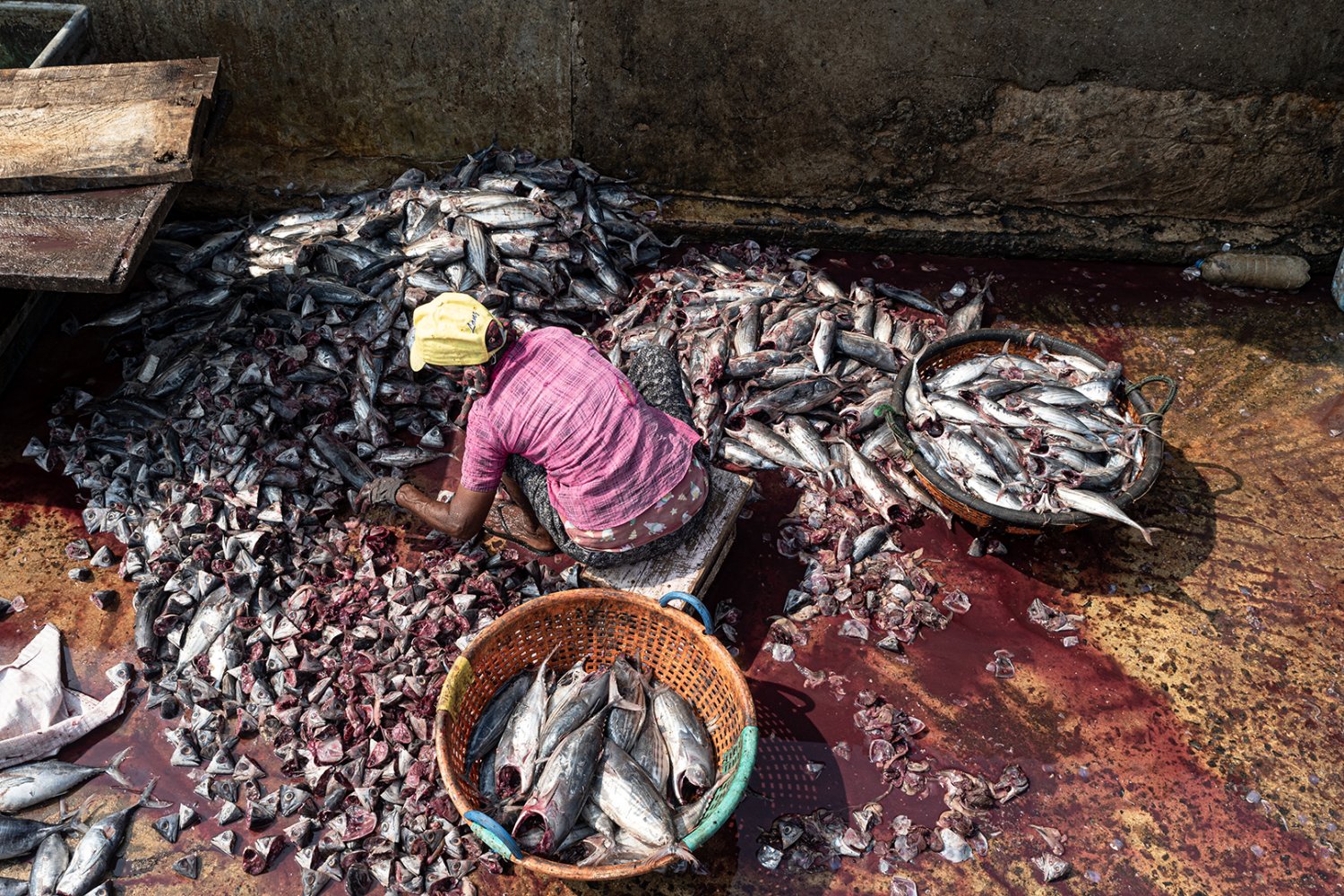
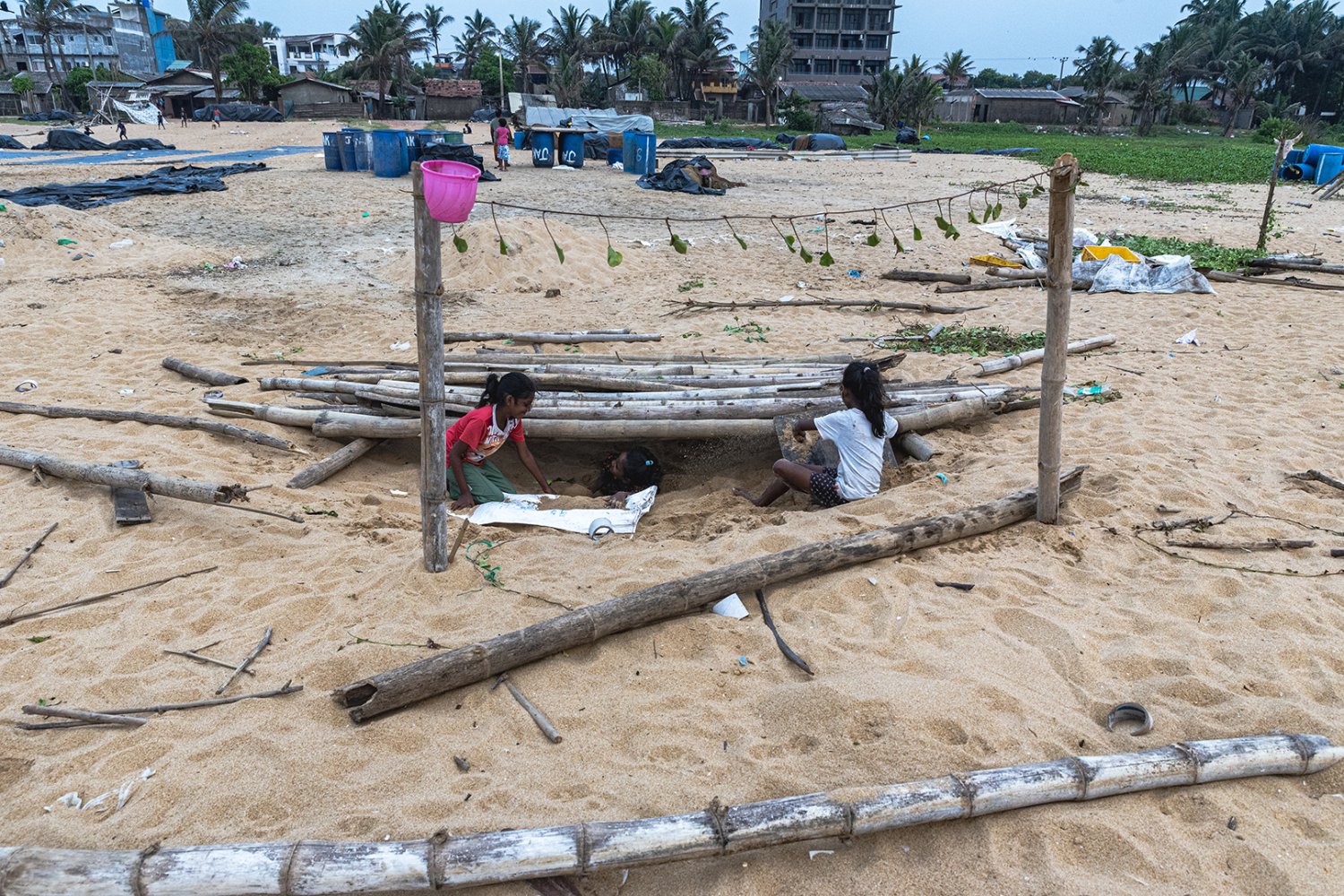
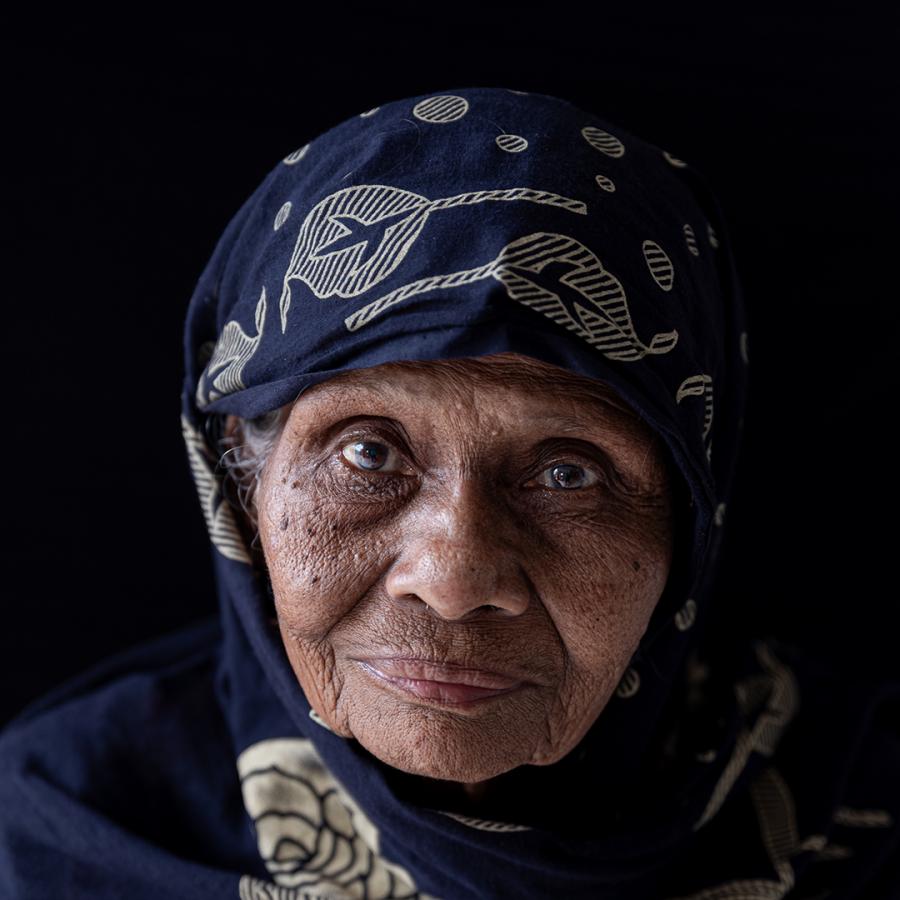
This photo series of “The Woman Behind the Sea” documents the often unseen lives of women within fishing communities, whose labour quietly sustains family and livelihood. Moving between the shoreline, fishing nets, boats, markets, and domestic spaces, the photographs reveal the physical endurance, responsibility, and resilience embedded in their everyday routines. Beyond romanticised images of the sea, this series focuses on the women who work behind the visible world of fishing their silent struggles, shared labour, and unspoken emotions. Through an intimate documentary approach, the project seeks to honour their presence and recognise the vital, yet overlooked, role they play along the coast.
Fathima Zahira Mohamed Nilar
11 nov. 2026
Life Through Sound and Touch
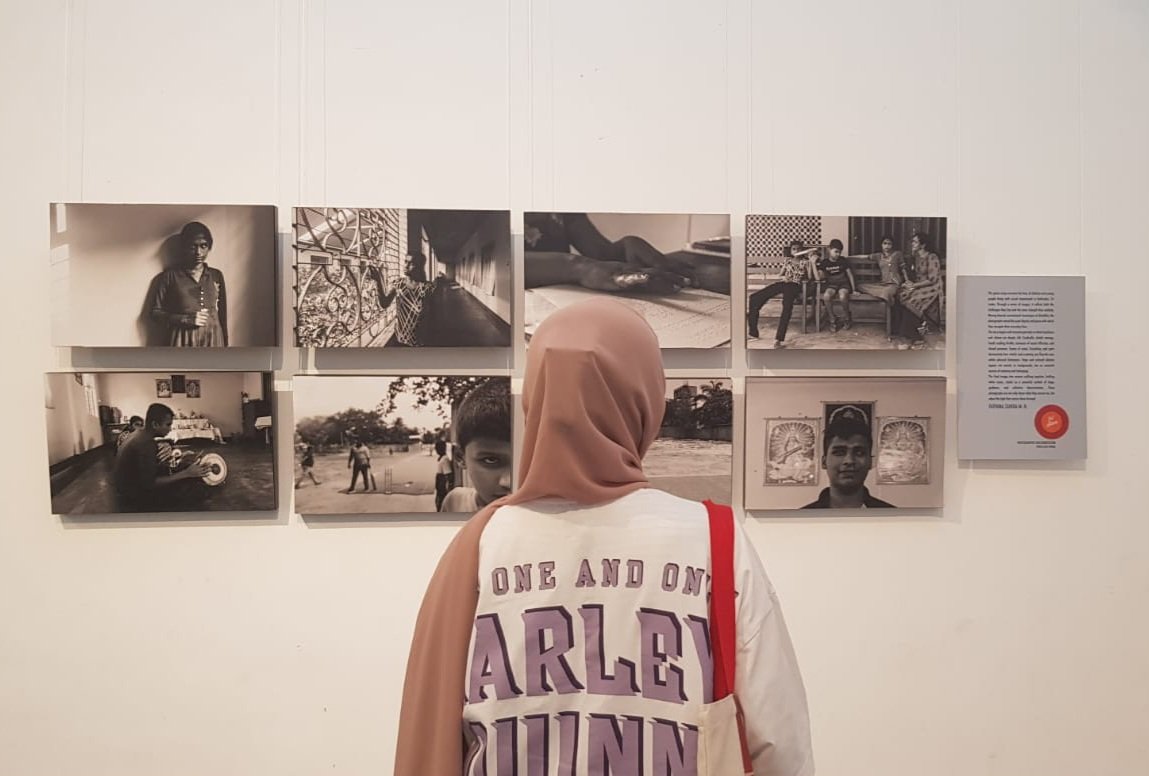
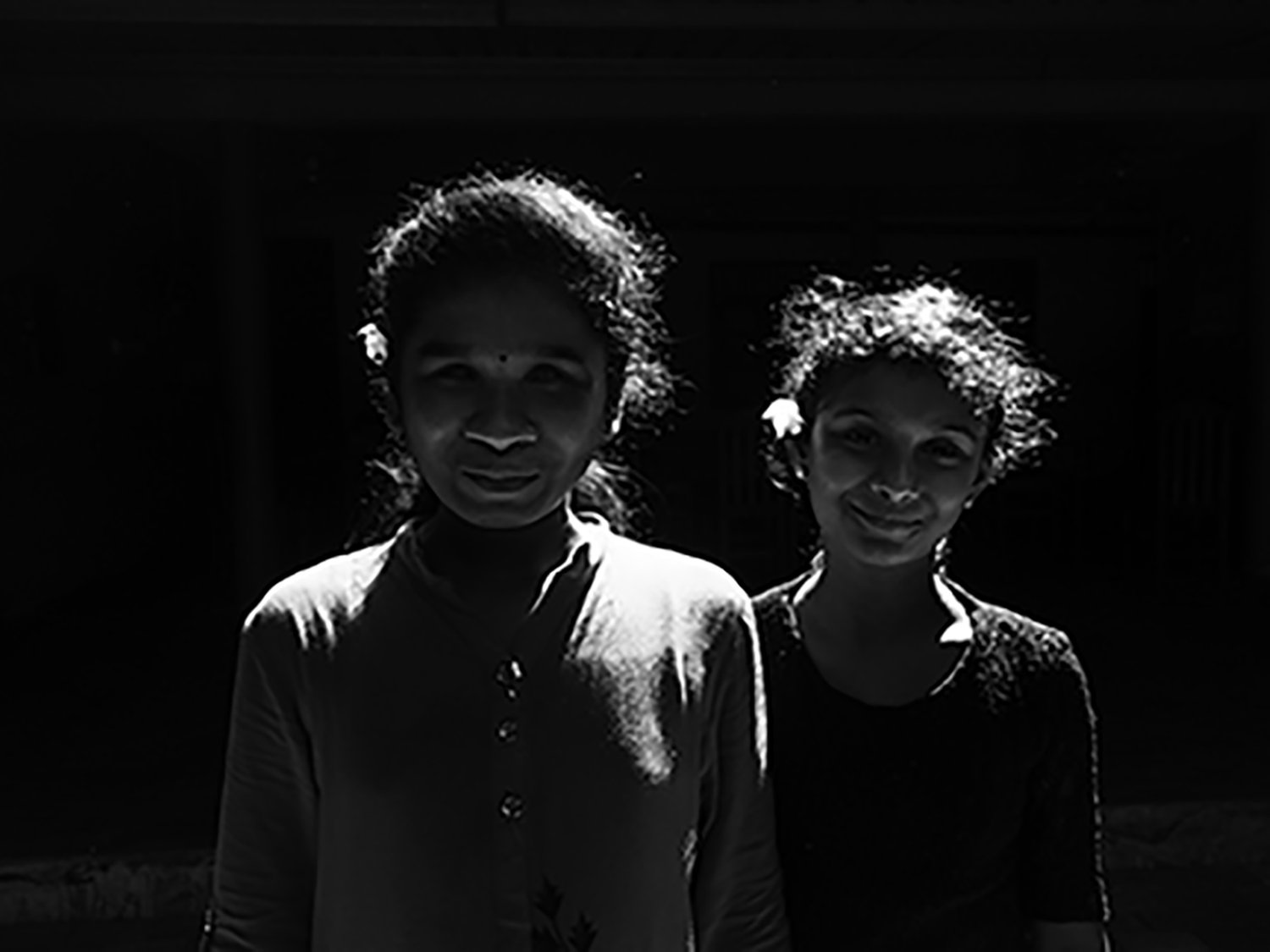
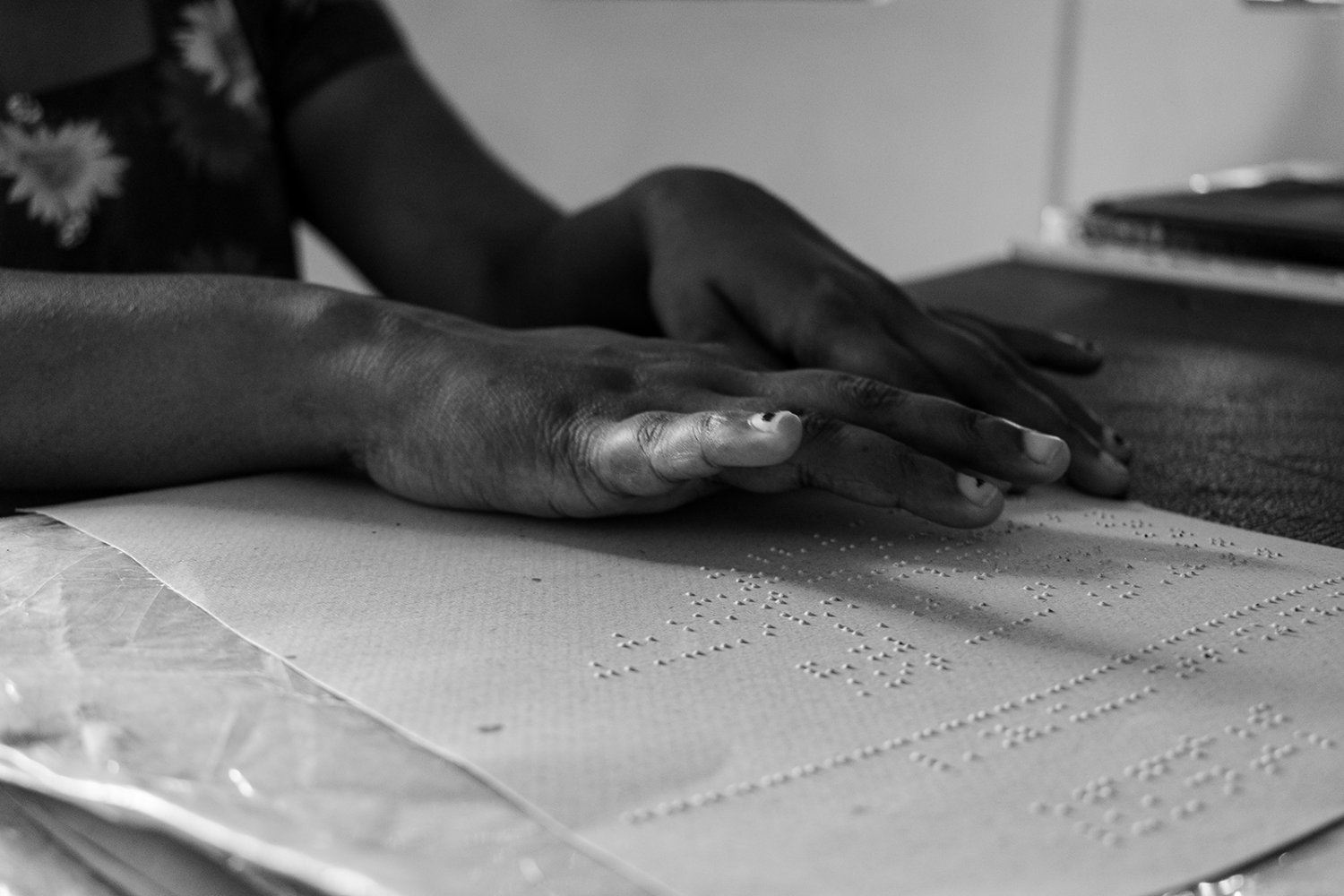
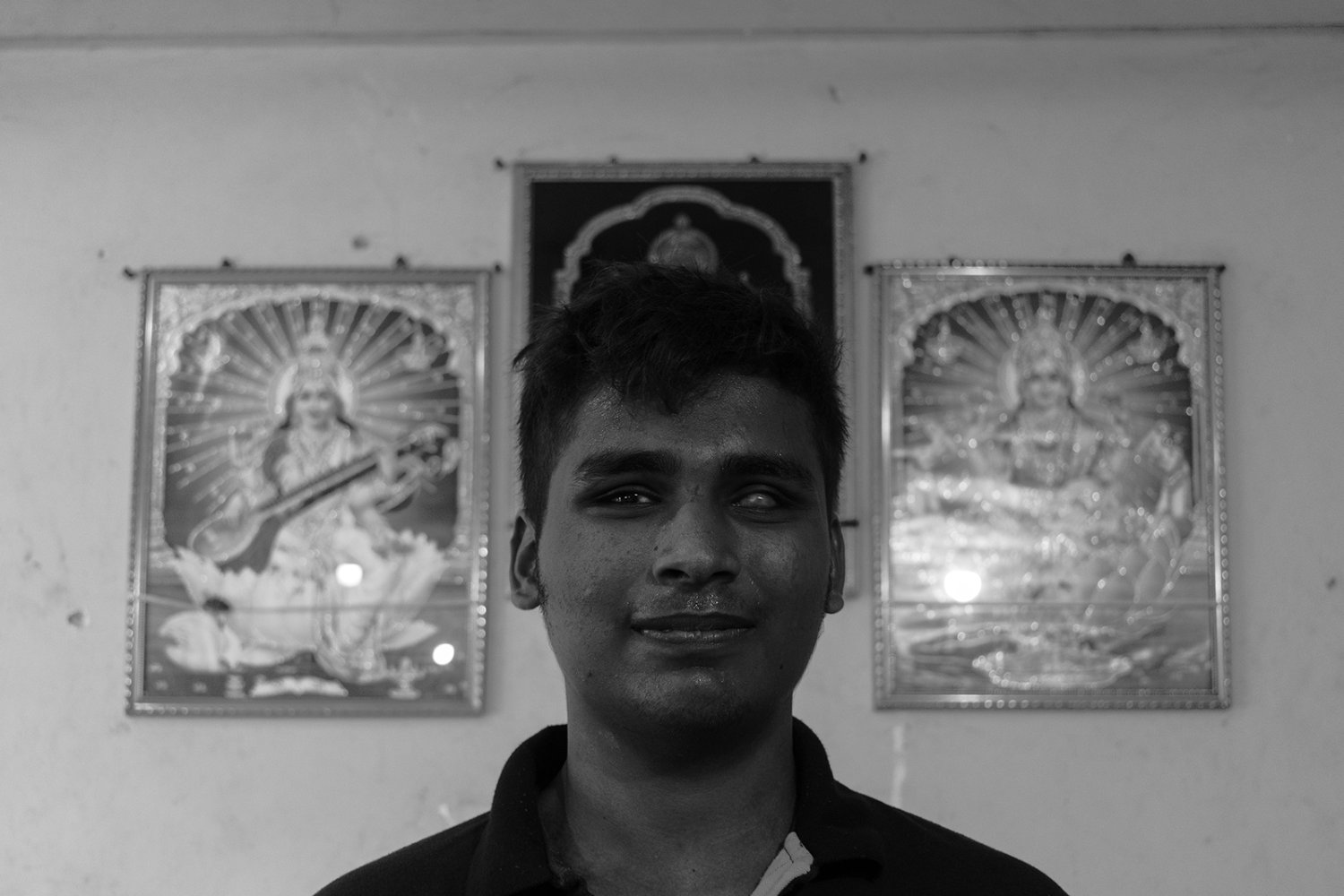
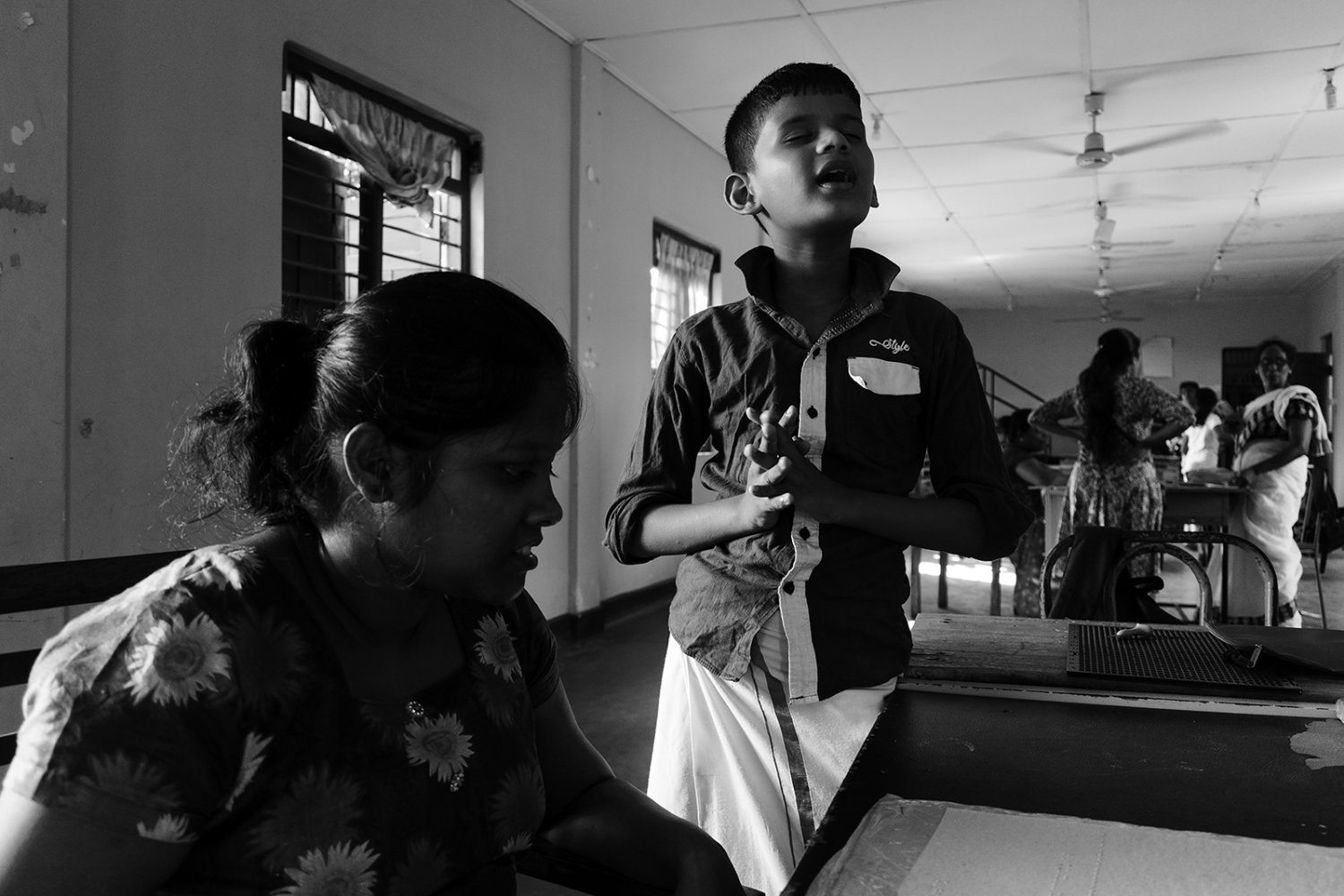
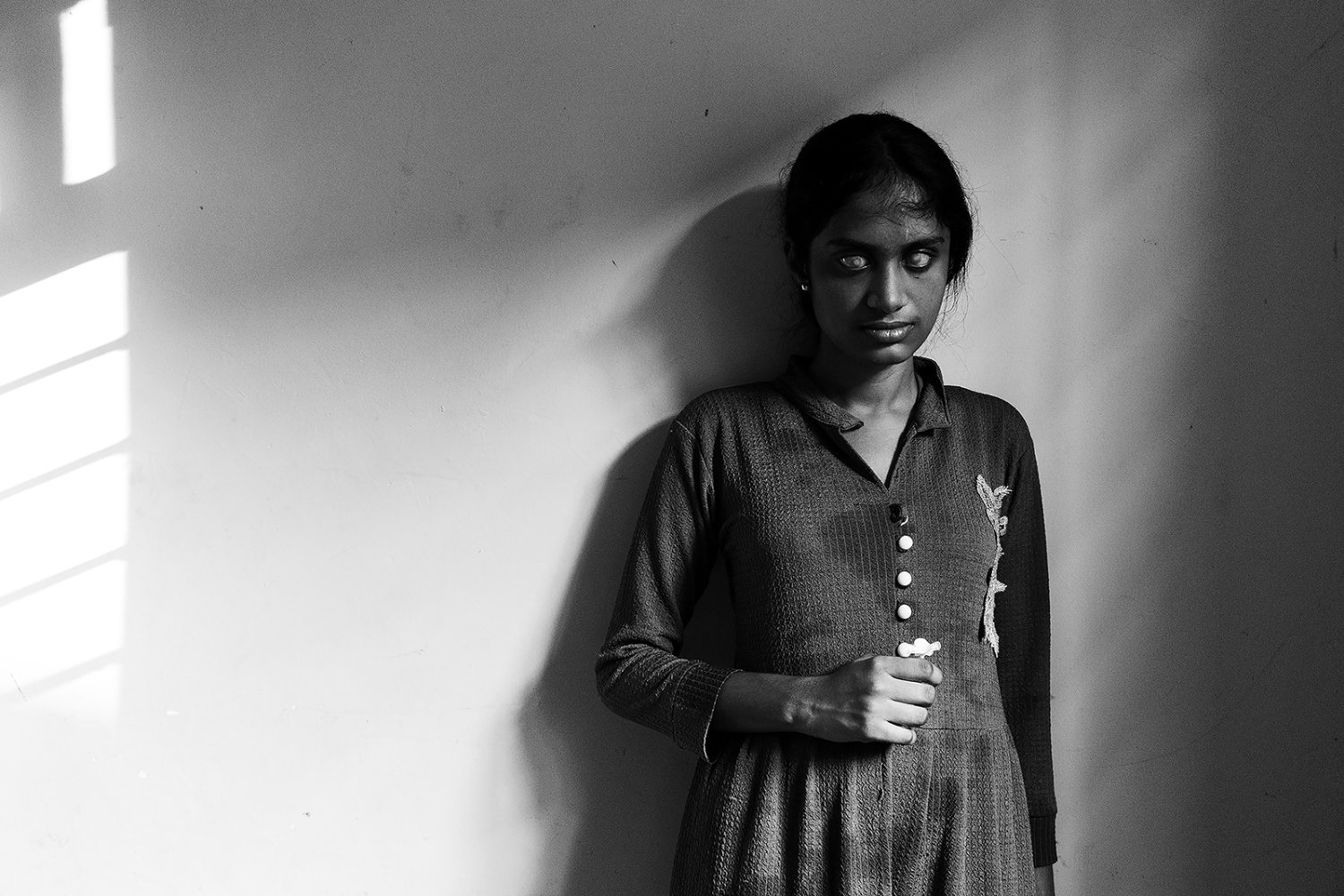
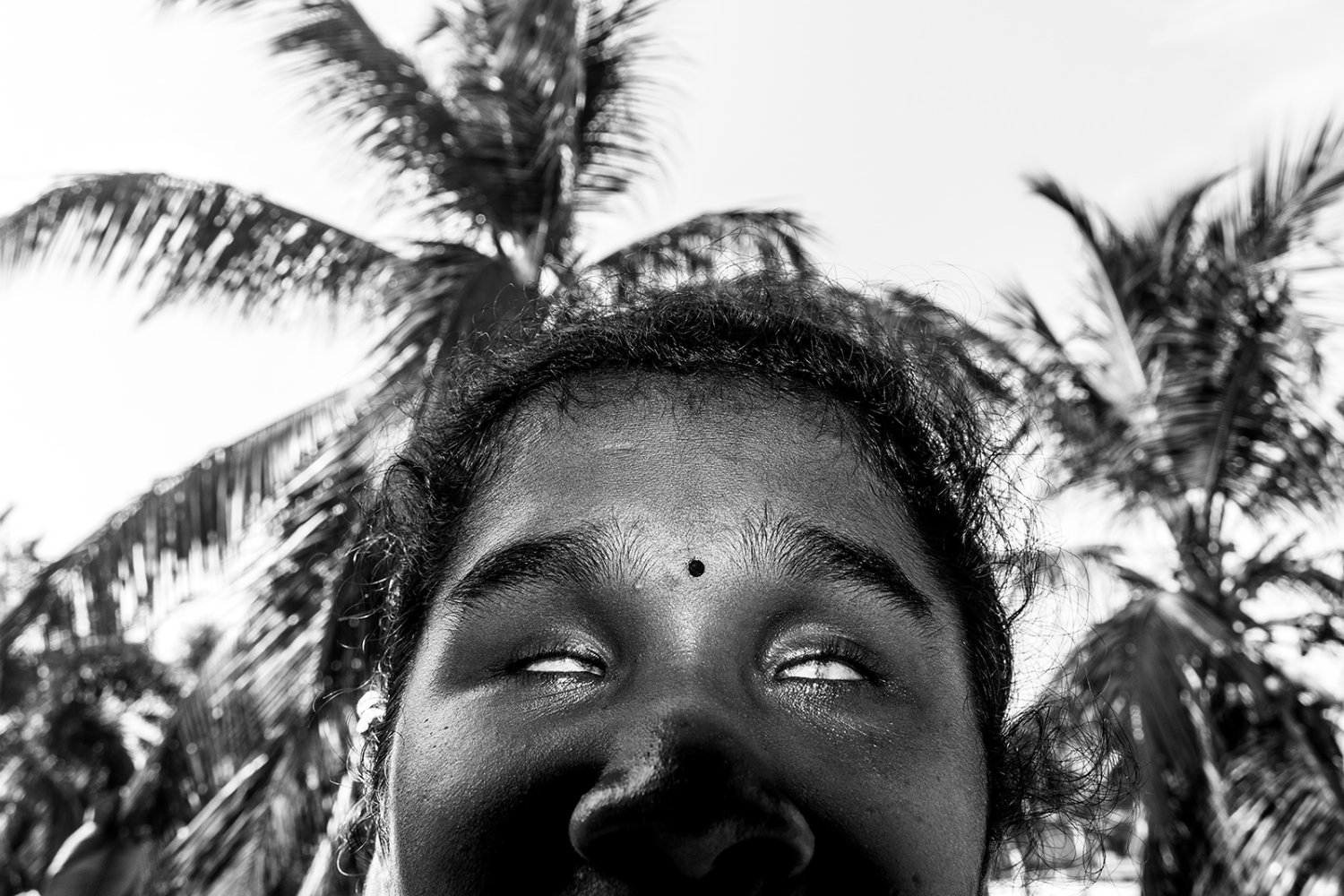
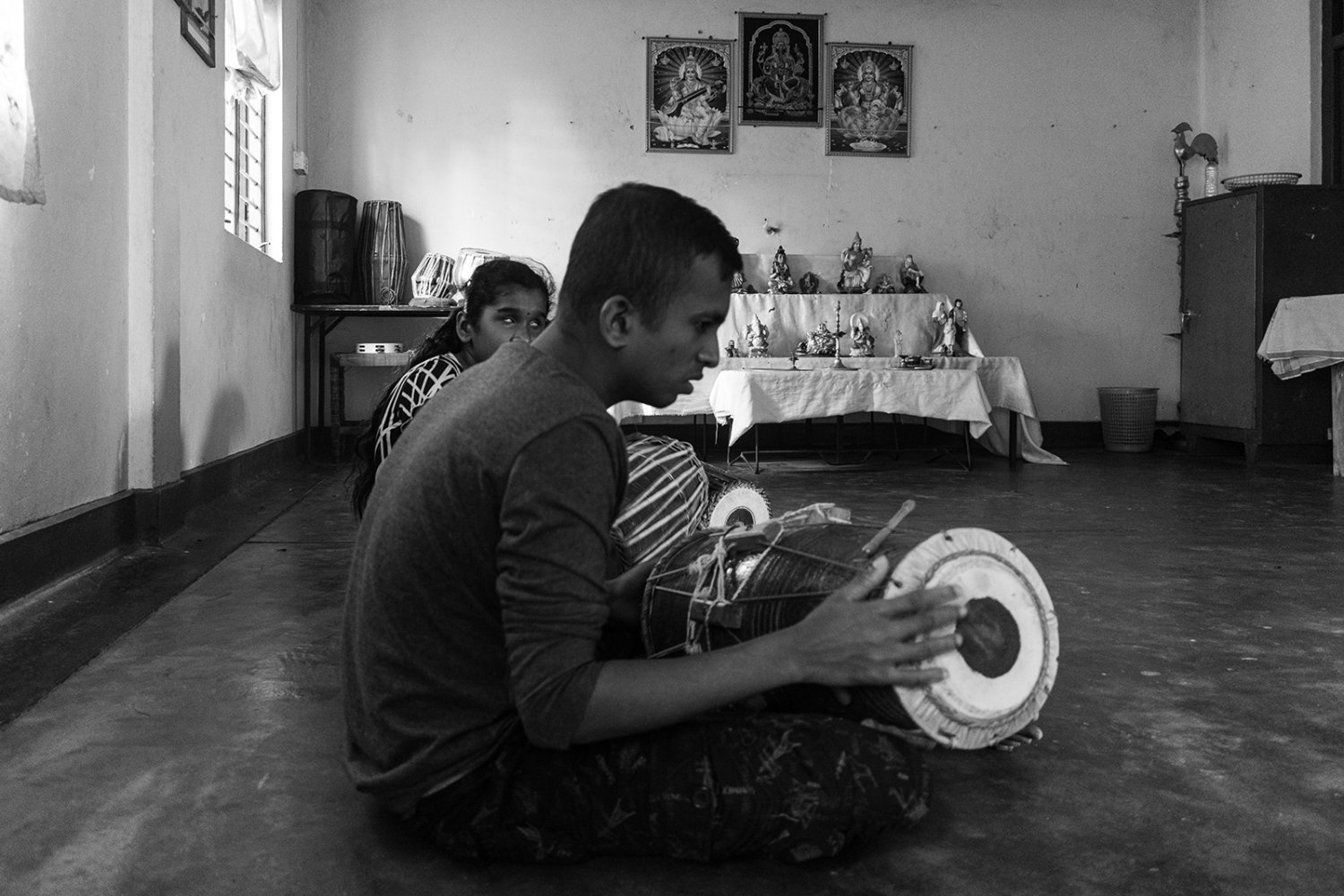
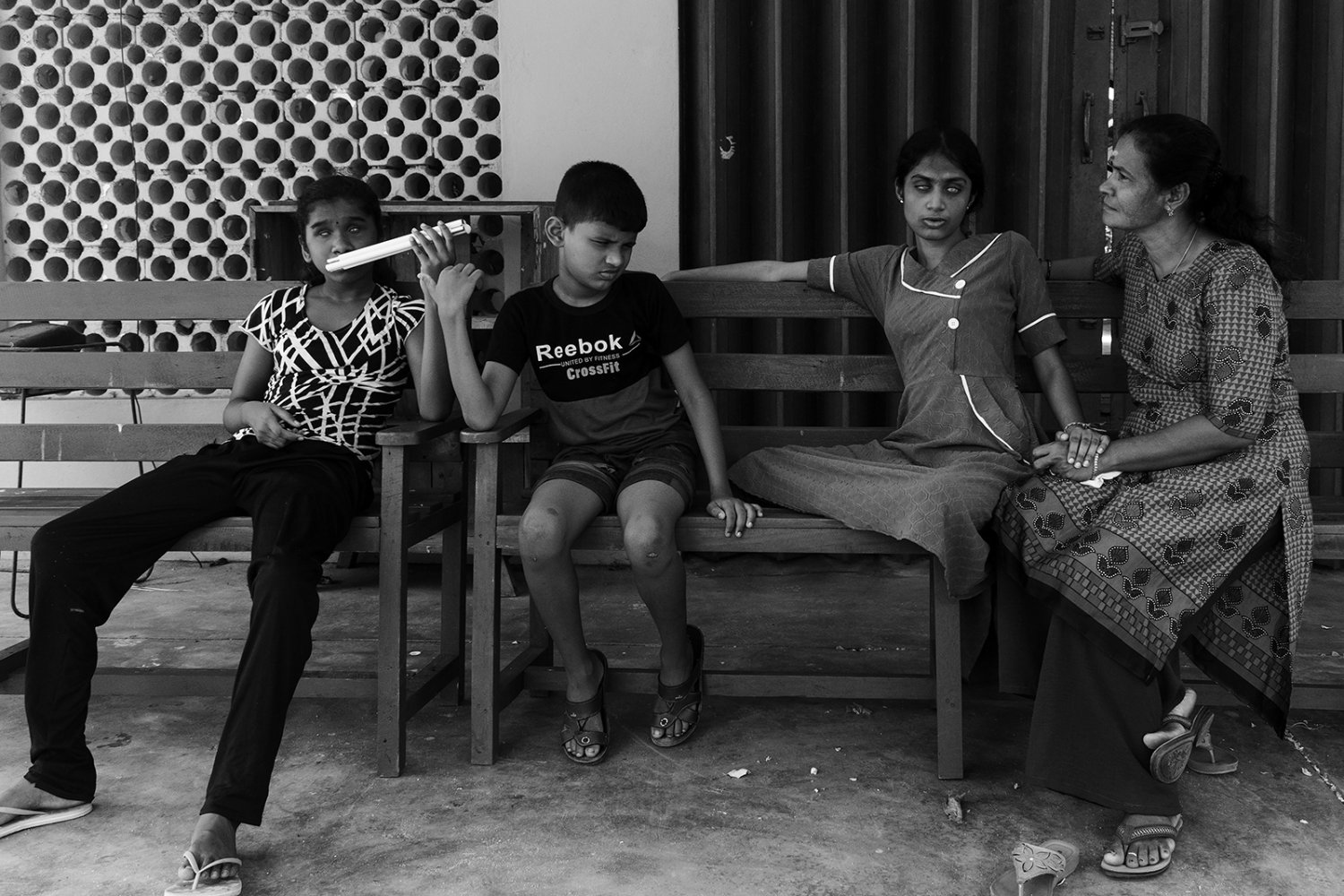
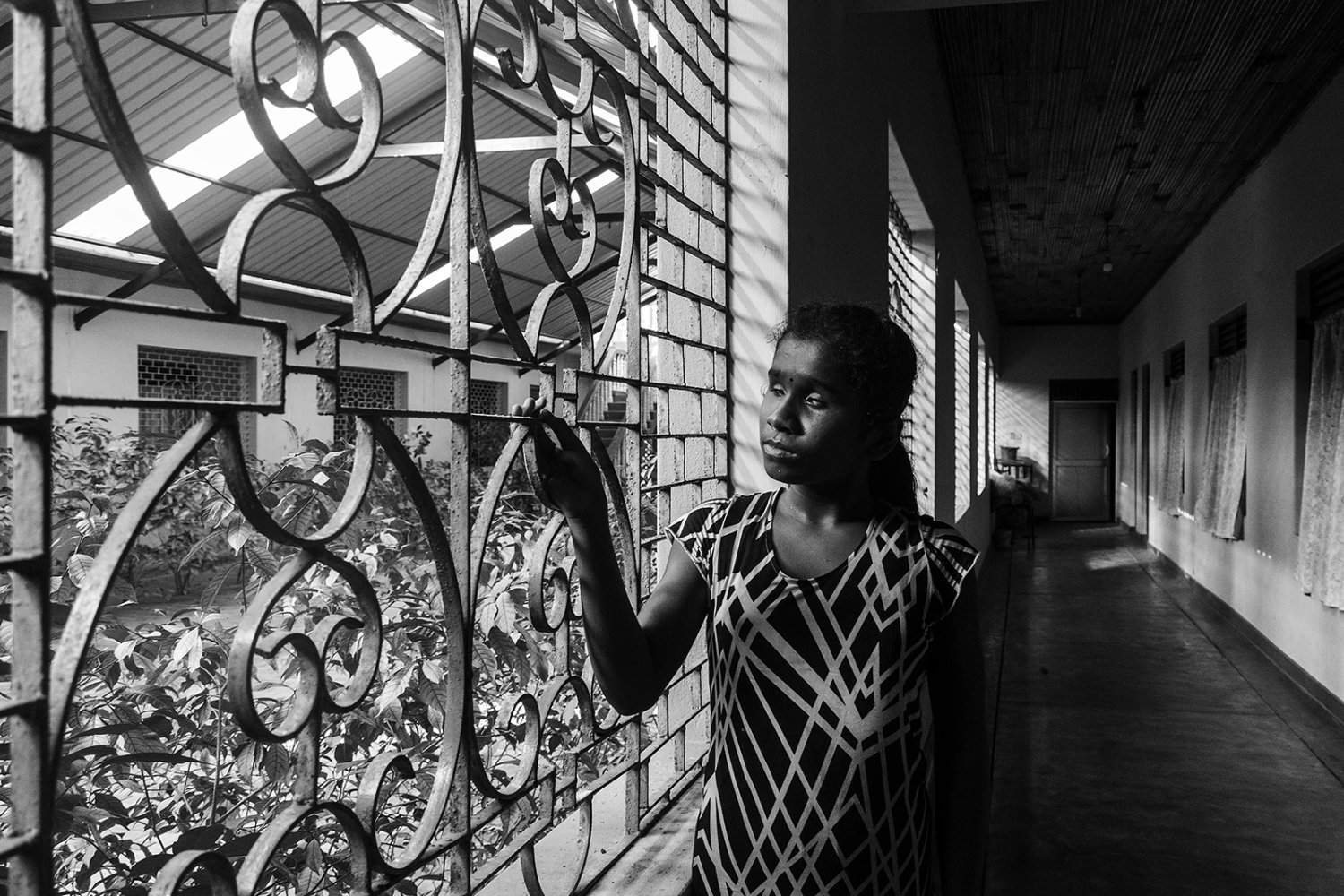
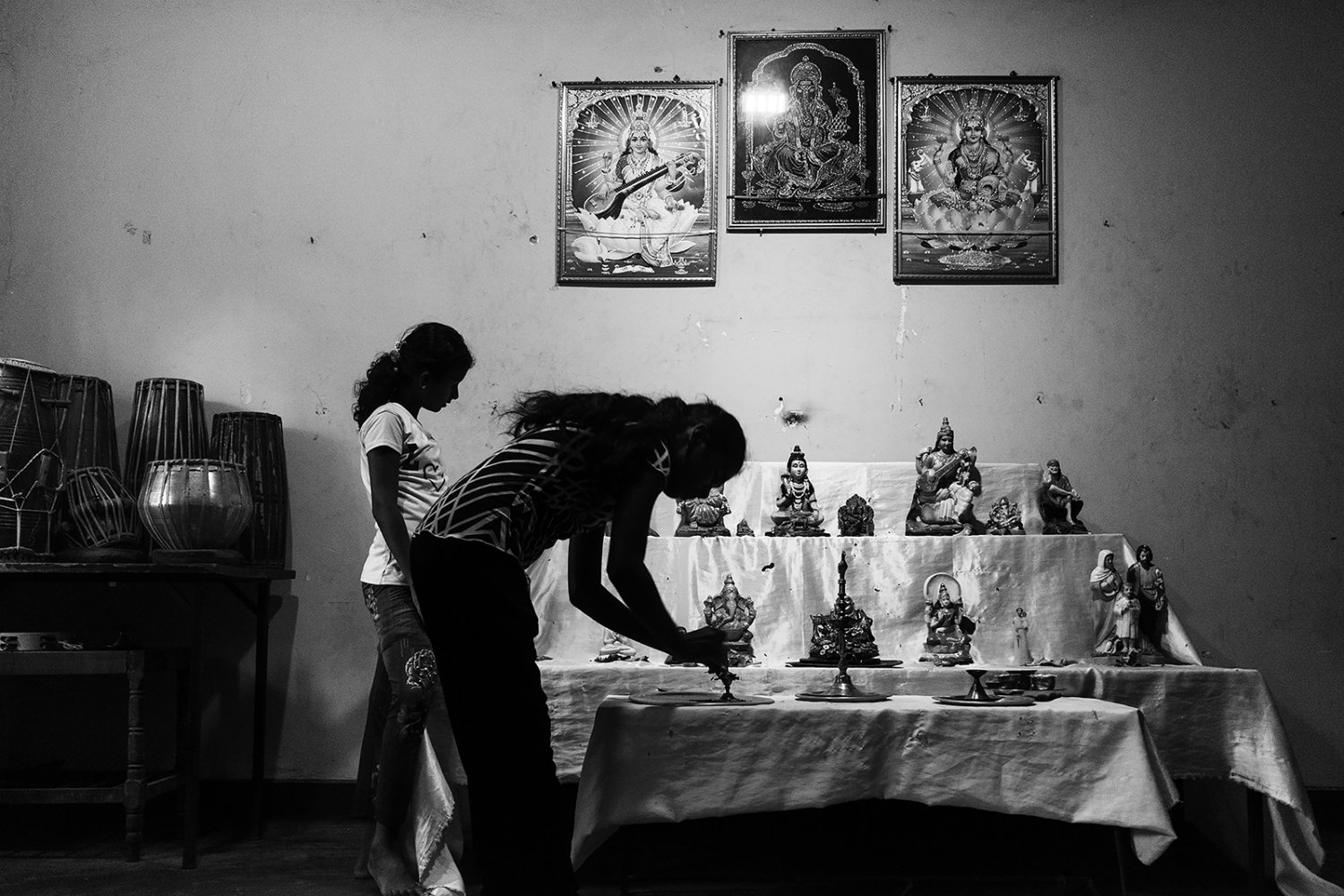
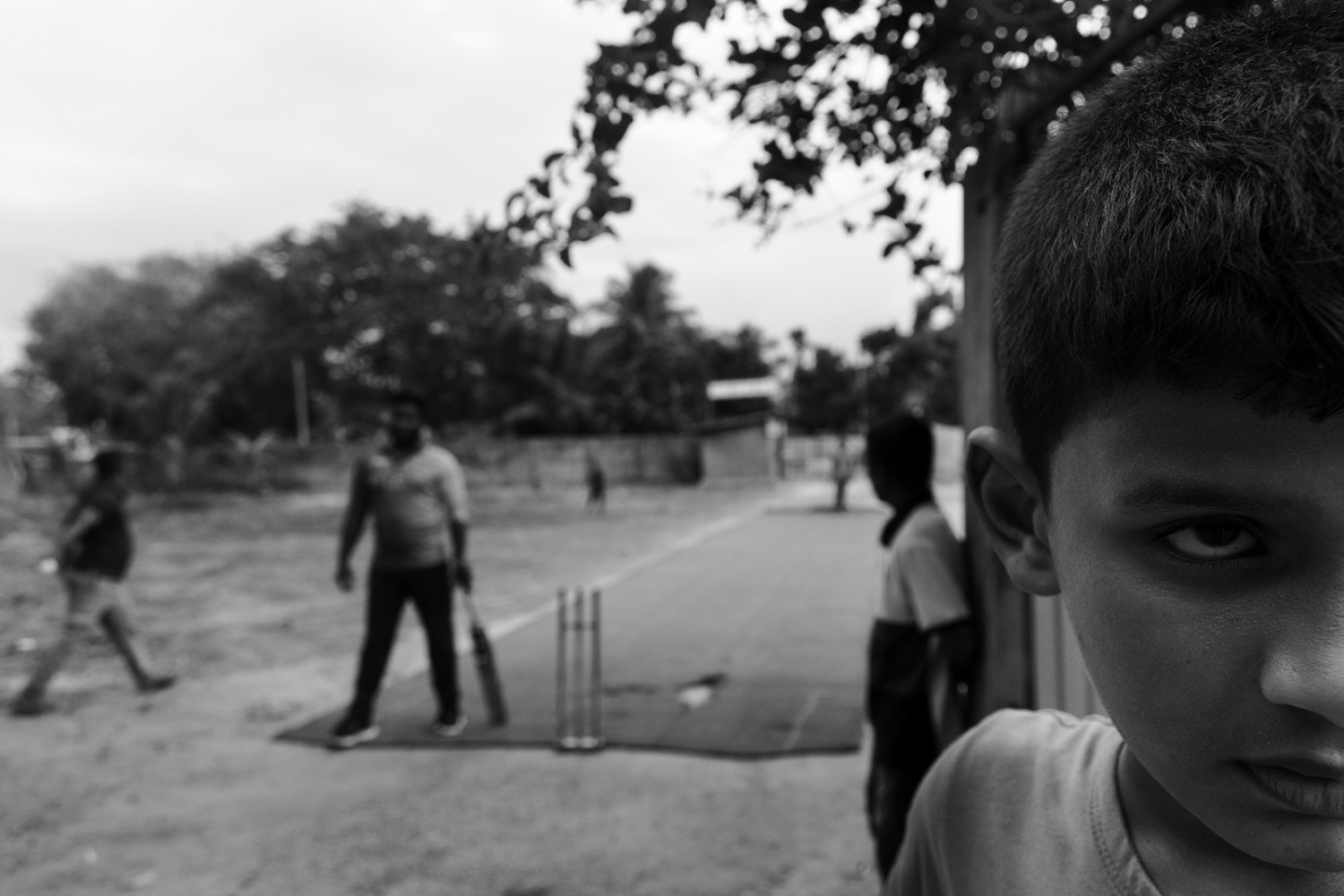
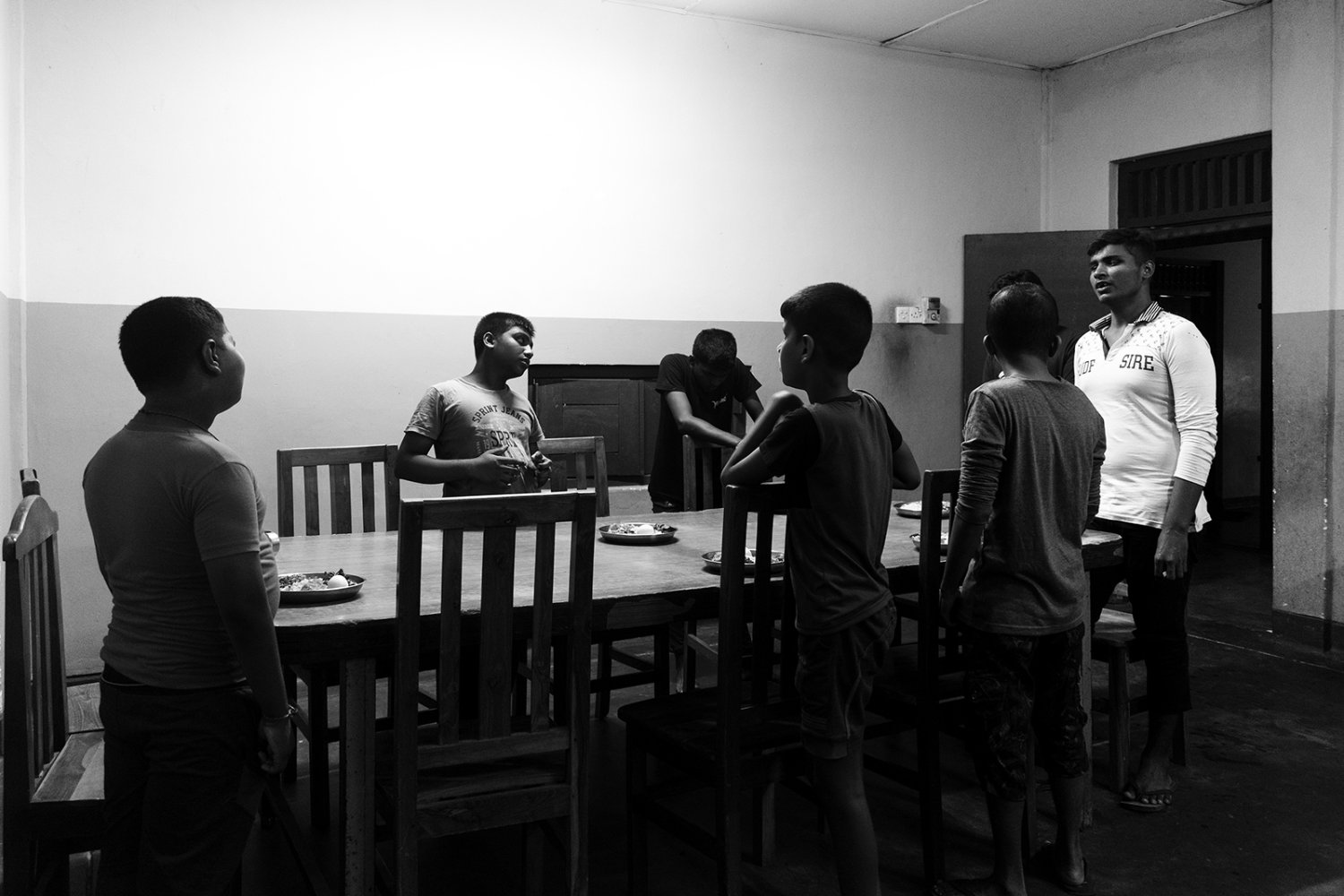
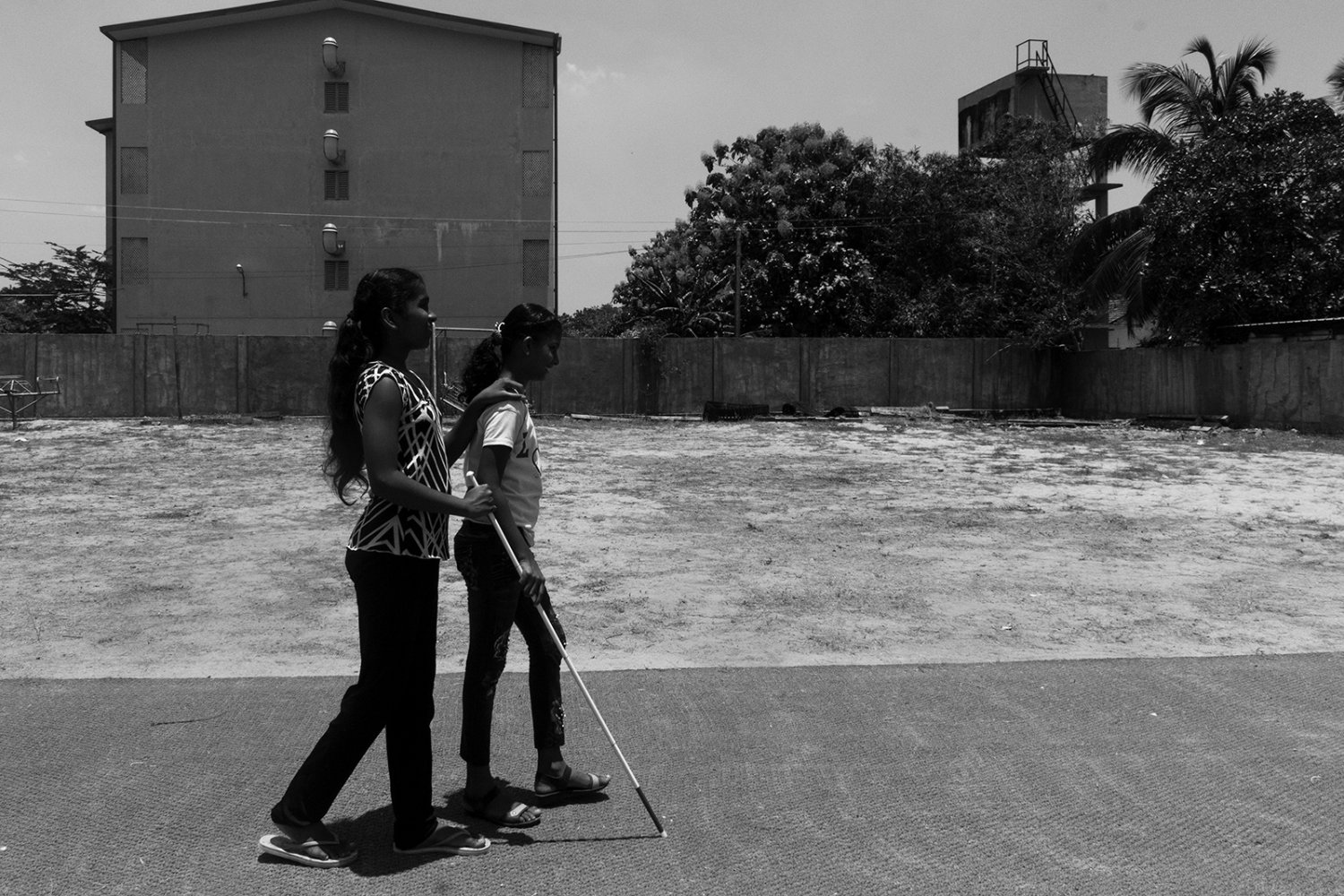
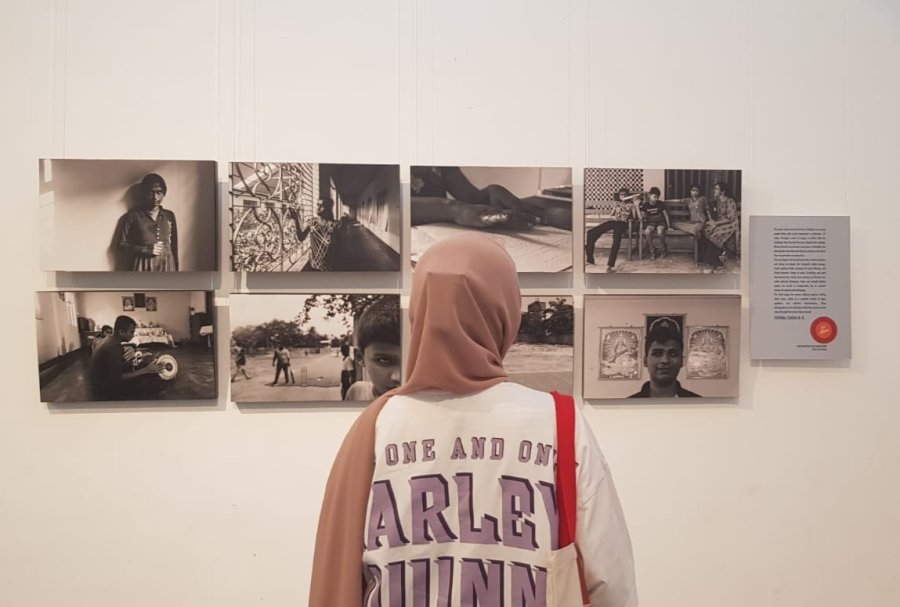
This photo essay tells the story of children and youth living with visual impairment in Batticaloa ,Sri Lanka. The images reflect the struggles they face and their inner strength. Beyond the conventional stereotypes of the disabled, the peace and dignity they live in everyday life are revealed. The story begins with intimate portraits; loneliness and silence are deeply felt. Then, details such as Braille touch and social affection emerge. Music, friendship, and sports scenes show how vitality and creativity can flourish even within limitations. Hope and cultural identity emerge not as mere backdrops, but as sources of meaning and belonging. The final image of two women walking together, holding white canes stands as a symbol of hope, guidance, and collective determination. These photographs are not just about what they cannot see, but also about the light that carries them forward.
This photo essay tells the story of children and youth living with visual impairment in Batticaloa ,Sri Lanka. The images reflect the struggles they face and their inner strength. Beyond the conventional stereotypes of the disabled, the peace and dignity they live in everyday life are revealed. The story begins with intimate portraits; loneliness and silence are deeply felt. Then, details such as Braille touch and social affection emerge. Music, friendship, and sports scenes show how vitality and creativity can flourish even within limitations. Hope and cultural identity emerge not as mere backdrops, but as sources of meaning and belonging. The final image of two women walking together, holding white canes stands as a symbol of hope, guidance, and collective determination. These photographs are not just about what they cannot see, but also about the light that carries them forward.
Aperçu
Prénom
Nom
Emplacement
Ville
Pays
Passeport
Événements
1
Pays
1
Pays disponibles
72
Albanie
Arménie
Australie
Autriche
Azerbaïdjan
Bahreïn
Bangladesh
Bélarus
Belgique
Bénin
Bosnie-Herzégovine
Brésil
Bulgarie
Canada
Chine
Croatie
Cuba
Chypre
République Tchèque
Danemark
Égypte
Estonie
France
Géorgie
Allemagne
Grèce
Guadeloupe
Hong-Kong
Hongrie
Inde
République Islamique d' Iran
Iraq
Italie
Jordanie
Corée, République de
Kosovo
Kirghizistan
Libye
Lituanie
Macao
Macédoine du Nord
Malaisie
Mexique
Moldova, République de
Monténégro
Myanmar
Pays-Bas
Nigéria
Îles Mariannes du Nord
Oman
Pologne
Portugal
Qatar
Roumanie
Russie, Fédération de
1

Arabie Saoudite
Sénégal
Serbie
Singapour
Slovaquie
Slovénie
Afrique du Sud
Espagne
Sri Lanka
Suisse
Tadjikistan
Tanzanie, République-Unie de
Turquie
Ukraine
Émirats Arabes Unis
Royaume-Uni
États-Unis

IAAP · Communauté
Abonnés